What Font Does WALL-E Use?
If you have ever stared at that boxy, weathered title and wondered what the wall e font is, here is the honest answer: it is bespoke artwork made for the 2008 Pixar film, so there is no official “WALL-E” file in any font menu. The lettering carries a retro-future, machine-stamped feel that fits a rusty little robot perfectly, but those exact letterforms were drawn for the logo only. Below is what we can reasonably observe about the design, plus free fonts that capture the same robotic, sci-fi character. Treat the specifics as an informed observation, not a confirmed studio spec.
What font is the WALL-E logo?
The WALL-E wordmark is best described as a custom retro-robotic display treatment rather than a retail typeface. It reads like something stamped onto a piece of industrial equipment, with a worn, used-in-space quality. The defining traits include:
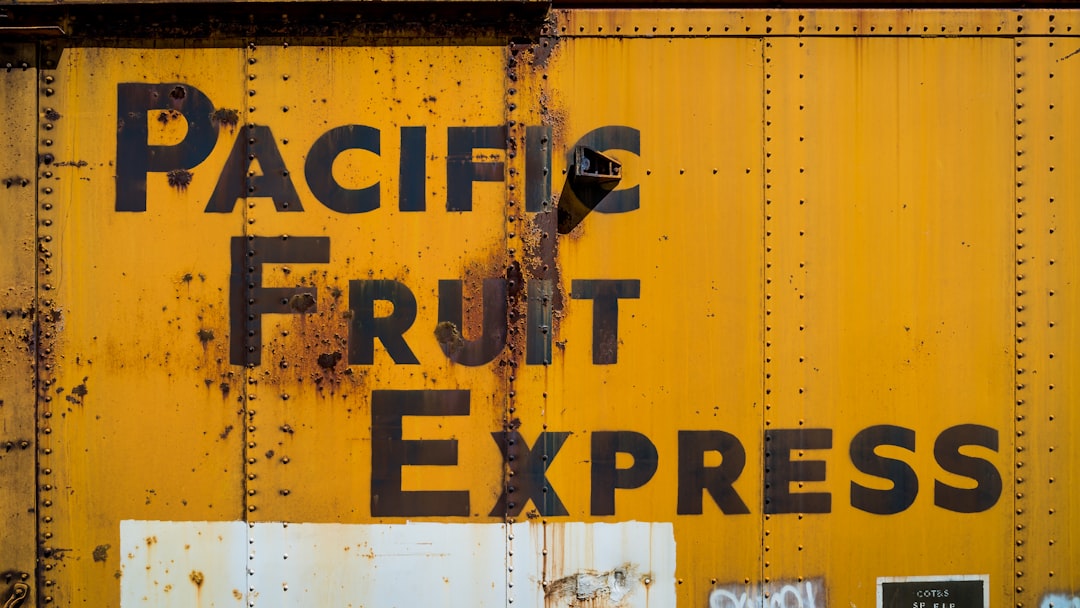
- Blocky, mechanical letterforms that suggest stencilled signage on machinery.
- A weathered, scuffed texture in the artwork, evoking decades of dust and wear.
- A retro-future tone, like a vintage idea of what “the future” would look like.
Because it was designed as artwork, the logo includes texture and optical details no off-the-shelf font carries. That is why no genuine downloadable version exists, and why “the real WALL-E font” listings are recreations rather than the authentic mark.
What typeface is used in the film?
Inside the film, on-screen text is used sparingly and often diegetically, on signage, screens, and the BnL corporate branding within the story world. Those elements use clean, corporate-looking sans-serifs to sell the idea of a slick mega-corporation, deliberately contrasting with WALL-E’s rusty, analog character. The credits favor neutral, legible type. The retro-robotic personality people associate with wall e font searches lives mostly in the title wordmark and poster art, not in the body text. When you picture the WALL-E look, you are picturing that custom logo treatment.
Free fonts that look like the WALL-E font
The official lettering is not licensable, but free retro-tech and stencil display fonts get you close to that worn, robotic feel. Match by use case:
| Use case | WALL-E uses | Free alternative |
|---|---|---|
| Main title / hero word | Custom retro-robotic display | Orbitron (geometric sci-fi) |
| Stencilled signage look | Machine-stamped letters | Stardos Stencil (worn stencil) |
| Tech subheadings | Retro-future variant | Audiowide (chunky retro-tech) |
| Mono / readout accents | Industrial supporting type | Share Tech Mono (terminal mono) |
All four are free on Google Fonts under open licenses, suitable for personal and most commercial use. Verify the terms in our font licensing guide before shipping paid work. To sell the “weathered” part of the look, add a subtle grunge or scuff texture over a clean retro-tech font like Orbitron rather than relying on the font alone.
The texture is doing more than half the work here, which is the key insight for anyone trying to reproduce the look. A pristine geometric font reads as “futuristic,” but it does not read as “WALL-E” until you age it. Layer in dust, scratches, faded paint, and a slightly desaturated palette of muted yellows and browns, and the same clean font suddenly carries the story’s lonely, post-apocalyptic mood. You can build this in any image editor with overlay textures and a few blend modes, all without touching the protected wordmark. Think of the font as the skeleton and the texture as the personality.
Why does WALL-E use this kind of type?
The lettering is doing world-building. WALL-E imagines an abandoned, garbage-covered Earth and a lonely cleanup robot left running long past his era, so the title needs to feel retro, mechanical, and worn. Blocky, stencilled, scuffed letters communicate “old machine still operating” instantly. They also tap into a vintage sci-fi visual language, the optimistic mid-century idea of robots and space, which gives the film its bittersweet, nostalgic edge.
There is a branding logic as well. A custom, textured wordmark is fully ownable and instantly recognizable, which is exactly what a studio wants. A retail font, no matter how on-theme, can be used by anyone; a drawn-and-aged title belongs to the film alone. If you like comparing how different Pixar titles solve their tonal briefs, see our breakdowns of the Up (Pixar) font and the Cars (Pixar) font, which lean warm and chrome-shiny respectively.
There is also a clever contrast at play. The film pits WALL-E’s analog, rusty world against the sleek, sterile branding of the BnL corporation. By giving the title itself a worn, retro-mechanical character, the marketing aligns you emotionally with the little robot rather than the polished corporation, before you have seen a single frame. That kind of typographic storytelling, using the wear and tear of letterforms to signal whose side you are on, is a subtle but powerful technique worth studying in your own projects.
Can I use the WALL-E font for my own project?
You can recreate the style, but you cannot use the actual logo artwork, and you should not pass your work off as official WALL-E branding. The wordmark and title are protected, covering commercial identity, not just the drawing. For fan art, a school project, or a personal piece, a free retro-tech or stencil font gives you the feel without legal risk.
For commercial use, follow these rules:
- Use a properly licensed look-alike, like the free fonts above.
- Do not imply endorsement by Pixar or Disney.
- Differentiate via color, texture, spacing, and layout so the design stands alone.
For a deeper sense of where this retro-future aesthetic comes from, browse our roundup of vintage fonts. It covers the mid-century and industrial styles that inspired logos like this one and how to use them tastefully today.
Frequently Asked Questions
Can I download the real WALL-E font?
No. The 2008 Pixar logo is custom display artwork with its own texture, not a retail typeface, so no authentic “WALL-E” file exists. Listings using that name are look-alikes. Treat them as recreations rather than the genuine studio wordmark.
What free font looks most like WALL-E?
Orbitron is a strong, easy match for the geometric sci-fi feel, while Stardos Stencil captures the worn, stencilled-machine look. Both are free on Google Fonts and safe for personal and most commercial projects after a quick license check. Add scuff texture to deepen the resemblance.
Why does the WALL-E logo look so worn?
The artwork includes scuffed, weathered texture to suggest a robot and a world that have endured decades of dust and decay. Combined with blocky, stencilled letterforms, this gives the title a retro-future, “old machine still running” character that mirrors the film’s lonely, post-apocalyptic setting.
Is the WALL-E font the same as the in-film signage?
Not quite. The title wordmark is custom retro-robotic lettering, while in-film signage and the BnL corporate branding use cleaner sans-serifs to sell a slick mega-corporation. The contrast is intentional, setting WALL-E’s rusty, analog charm against a polished, manufactured world.