What Font Does Kubo and the Two Strings Use?
If you have searched for the kubo font hoping to type your own title in the exact lettering from Laika’s 2016 epic Kubo and the Two Strings, the honest answer is that you cannot, because the logo is bespoke. The wordmark was hand-built for the film’s Japanese folklore setting, with brush-like strokes, elegant tapering, and a sweeping calligraphic rhythm that no off-the-shelf font replicates one-for-one. Below we separate the trademarked logo from the free look-alike fonts you can legitimately use, and explain how to rebuild the mood without infringing on anyone’s artwork.
What font is the Kubo logo?
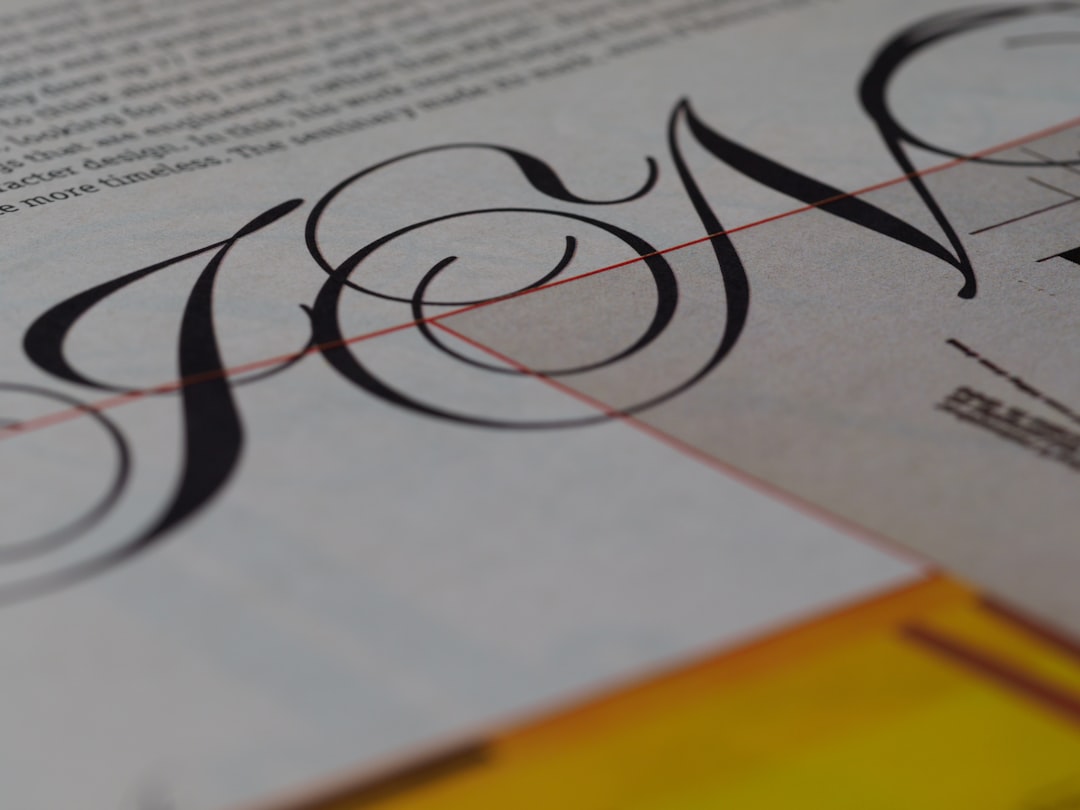
The Kubo logo is best understood as custom brush-inspired lettering rather than a single installed font. Laika’s house style leans on tactile, handcrafted design, and the title art follows the same logic: the letters were shaped to feel hand-painted, with flared terminals and ink-brush energy that nods to Japanese sumi-e calligraphy. You can see the influence in the dynamic stroke weight, the elegant sweeping curves, and the way certain strokes taper like a loaded brush lifting from paper.
Because studios commission lettering artists for key art, treat the exact construction as an informed observation, not a confirmed spec. What we can say with confidence is that it is not a famous commercial font dropped in unedited. If it were a stock typeface, fans would have identified the precise name years ago. Instead, the consensus is that it is a one-off calligraphic display treatment, which is exactly what you would expect for a film steeped in Japanese myth.
What typeface does Kubo use in its branding?
Across the poster, opening titles, and home-media releases, Kubo pairs its custom brush title with cleaner, more legible faces for credits, taglines, and supporting copy. Title cards get the elegant calligraphic treatment; functional text such as credits and subtitles is usually set in a quieter humanist serif or sans so it stays readable at small sizes. This split between a custom display logo and a neutral body face is standard across animated features.
So if your goal is to mirror the whole identity, you need two decisions: one elegant brush or calligraphic display for the headline moment, and one calm, well-spaced serif or sans for paragraphs. Trying to set body copy in a heavy calligraphic face is the most common mistake people make when chasing this aesthetic.
Free fonts that look like the Kubo font
No free font will be an exact match, but several capture the elegant, brush-touched spirit well enough for a poster, an invitation, or a folklore-themed project. Bold names below are alternatives you can search for and license accordingly.
| Use case | Kubo uses | Free alternative |
|---|---|---|
| Main title / poster | Custom brush-inspired calligraphic logo | Cormorant with manual letter-spacing |
| Subtitle / tagline | Elegant classical display | Cinzel or Marcellus |
| Body / credits | Clean readable serif | EB Garamond |
Cormorant is the best starting point for the title because its high-contrast, calligraphic serifs share the logo’s elegant, hand-shaped warmth. Pair it with Cinzel or Marcellus for a more classical display option, and add subtle brush texture in your design tool to mimic the inked, hand-painted character.
To deepen the resemblance, set your headline large and apply a slight, hand-drawn taper to the entry and exit strokes of key letters so they read like a brush lifting from rice paper. Pulling the spacing tighter than the font’s defaults gives the wordmark a dense, woodblock-print weight, while a faint sumi-ink texture and a warm, slightly aged paper background complete the folkloric mood. These small touches matter more than the base font, because the Kubo logo’s magic lives in its irregularity, not in any single typeface.
Why does Kubo use this kind of type?
The lettering is doing narrative work. Kubo retells a Japanese folk-style adventure rooted in origami, music, and ancestral magic, and its visual language draws from ink painting, paper craft, and woodblock prints. A custom brush-inspired wordmark signals “ancient Japanese story” before a single frame plays, and a generic modern font would break that promise instantly. Hand-lettering also lets the studio tune each stroke to match the film’s painterly textures, giving the title and imagery a single, unified hand.
That cohesion is a hallmark of Laika’s craft, where every frame is built by hand from physical materials. A brush-style wordmark extends the same tactile philosophy to the typography, so the title feels carved from the same world as the puppets and sets. It is the difference between a logo that decorates the film and one that belongs to it, and it is exactly why no downloadable font will ever match the original precisely.
Can I use the Kubo font for my own project?
You can recreate the style, but you cannot use the actual logo. The wordmark is part of the film’s trademarked branding, so copying it for merchandise, a business, or anything implying affiliation is off-limits. Using a free calligraphic look-alike for a personal, fan, or unrelated creative project is fine as long as you respect each font’s individual license. Always confirm whether a font is free for commercial use, personal use only, or paid. For a plain-language walkthrough, read our font licensing guide before you publish, and explore our vintage fonts hub for more old-world type. If you are exploring Laika’s other features, our Boxtrolls font and Missing Link font guides cover the studio’s quirkier titles.
Frequently Asked Questions
Is the Kubo font free to download?
No. The Kubo title is bespoke brush-inspired hand-lettering created for the film, so there is no official font file to download anywhere. Any site claiming to offer the exact “Kubo font” is mislabeling a look-alike. Use a free calligraphic display face instead and adjust the spacing by hand.
What font is closest to the Kubo logo?
Cormorant, free on Google Fonts, is the most accessible match because its calligraphic serifs share the title’s elegant, hand-shaped energy. It will not be identical, but with tightened letter-spacing and a little added brush texture, it reads in the same refined, ink-painted spirit.
Did Laika design the title itself?
Studios typically commission lettering artists for key art, and the title’s bespoke calligraphic styling is consistent with that practice. Treat the precise authorship as an informed observation rather than a confirmed credit, but it is clearly custom work rather than a stock font, given how tightly it matches the film’s painterly art.
Can I use these fonts commercially?
Only if the specific font’s license allows it. Google Fonts options like Cormorant and Cinzel are free for both personal and commercial use, while some calligraphic faces are personal-use only. Check each license individually and never reuse the trademarked film logo for commercial work.