What Font Does 3:10 to Yuma Use?
If you have ever paused the title card to identify the 3 10 to yuma font, you are in good company. The 2007 remake, in which a struggling rancher escorts a captured outlaw to the train that will carry him to prison, pairs a rugged, weathered title treatment with dusty, sun-scorched cinematography. The typography is deliberately tough: heavy slabs, blunt serifs, and a roughened, hard-bitten quality that reads like lettering burned into wood or stamped on a freight crate. It feels gritty and grounded, matching the film’s morally tense standoff. Below we break down what the logo most likely is, why the designers leaned this way, and which free fonts get you closest.
What font is the 3:10 to Yuma logo?
The main title wordmark is best understood as a custom or heavily customized slab serif rather than a font you can buy under the movie’s name. Studio key-art teams typically take an existing heavy slab or wood-type display face, then adjust the weight, spacing, and individual letterforms so the lockup feels rugged and weathered at poster scale. The 3:10 to Yuma wordmark follows that pattern: thick stems, square serifs, and a distressed, hard-edged surface that suits a tense desert journey toward a fateful train.
Because the production has never published the exact typeface, anyone claiming a definitive single-font answer is guessing. Title designers also frequently redraw key letters by hand, distress the edges, and rebuild the spacing from scratch, so even a close digital lookalike will differ in the details. What we can say with confidence is the category: a heavy, weathered slab serif in the neighborhood of antique wood-type and railroad-stencil faces. That observation is reliable; an exact name is not, so treat font matches here as an informed read rather than a confirmed spec.
What typeface is used in the film?
On screen, the supporting typography continues the gritty western theme. The opening titles, cast credits, and in-world signage such as the railroad station boards use sturdy slab and serif faces that match the rugged poster mood. This is a common western convention: the type should feel printed, stamped, or stenciled, so the audience reads it as authentic frontier and railroad-era craft rather than modern graphic design. The effect reinforces the film’s worn, working-class realism.
So when people search for the 3 10 to yuma font, they are often blending two things: the heavy, weathered poster wordmark and the smaller stamped or stenciled type seen on the station and freight signage. Both sit in the same rugged slab and wood-type family, which is why a single free alternative can usually cover both jobs in a fan project or tribute piece. When you recreate the look, lean into texture: a little distress, warm dust tones, and slightly uneven spacing will sell the gritty frontier identity better than a clean, even setting.
Free fonts that look like the 3:10 to Yuma font
You will not find a legal free file literally named after the movie, but several open-license faces capture the rugged, weathered, frontier feel. The table maps each typographic job to a downloadable substitute.
| Use case | 3:10 to Yuma uses | Free alternative |
|---|---|---|
| Main title wordmark | Custom heavy weathered slab | Ultra or Rye |
| Poster display accents | Antique western face | Sancreek or Carter One |
| Railroad / station signage | Stamped slab / stencil | Big Shoulders Stencil or Zilla Slab |
| Body / supporting text | Sturdy readable serif | IM Fell or Old Standard TT |
For the closest poster match, set Ultra at a large size with tight spacing so the slabs feel heavy and stamped. It captures the rugged, hard-bitten presence of the original lockup without infringing on anything. If you want a more antique, frontier read, Rye trades some of the smoothness for a distressed wood-type swagger.
Why does 3:10 to Yuma use this kind of type?
The choice is strategic, not accidental. A few reasons this rugged, weathered approach works for a gritty western:
- Frontier toughness. Heavy slab letterforms feel hard and unyielding, matching the film’s morally tense standoff and physical hardship.
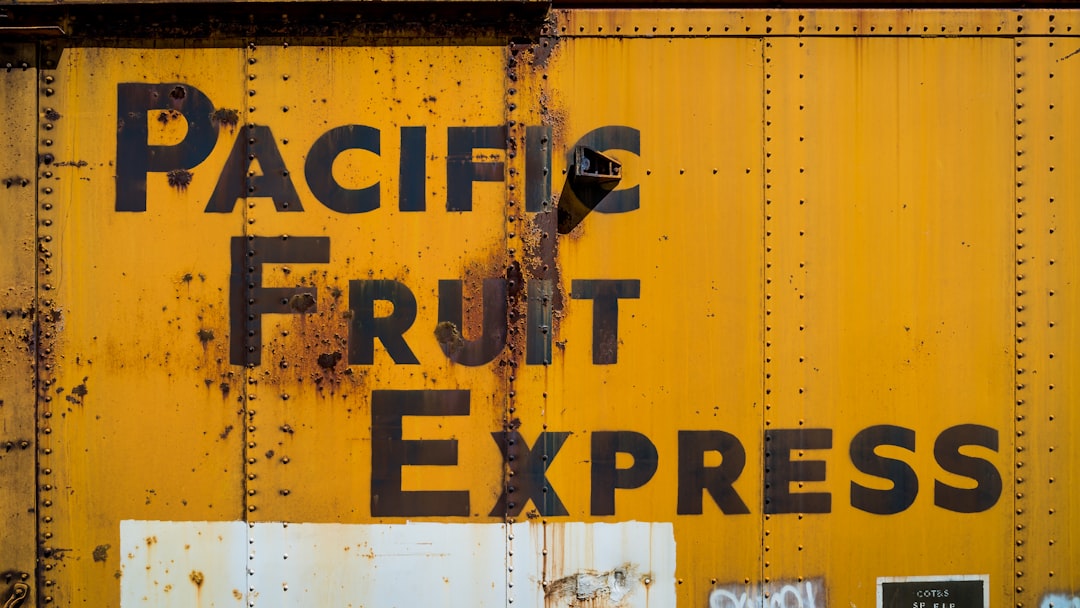
- Railroad era. Stamped and stenciled type evokes freight crates and station boards, tying the title to the train at the story’s center.
- Sun-scorched texture. A weathered surface mirrors the dusty desert and the film’s worn, sweat-soaked look.
- Grounded realism. Sturdy, printed type signals a serious, working-class western rather than a glossy adventure.
If you want more background on how studios pick and license these wordmarks, our font licensing guide explains the difference between a custom logo and a retail typeface.
Can I use the 3:10 to Yuma font for my own project?
You can absolutely build something in the same spirit, but be careful about what you are copying. The wordmark itself is part of the film’s branding and is protected as a trademark and as artwork; recreating it for commercial use, merchandise, or anything implying an official tie risks legal trouble. Recreating the style with a free, properly licensed slab face is fine.
For a fan poster, mockup, or stylistic homage, pick one of the free alternatives above, confirm its license allows your use, and adjust the spacing to taste. If you enjoy this gritty western mood, you may also like our breakdowns of the bold Magnificent Seven font and the weathered Tombstone movie font. For broader inspiration on retro and antique styling, see our hub of vintage fonts.
Frequently Asked Questions
Is the 3:10 to Yuma font free to download?
No font sold or distributed under that name is legitimate, because the title is a custom wordmark. However, free, properly licensed look-alikes such as Ultra, Rye, and Sancreek get you very close to the rugged, weathered western feel without any licensing risk.
What font is closest to the 3:10 to Yuma logo?
For the heavy poster lockup, Ultra set large with tight spacing is the strongest free match for the stamped slab look. Rye and Sancreek are good alternatives for a more antique western read. None is an exact replica, since the original was custom-tuned, so treat them as informed substitutes.
Why does 3:10 to Yuma use a rugged slab style?
The film is a gritty western built around a train and a tense desert journey. Heavy, weathered slab serifs feel tough and hard-bitten while evoking stamped freight and railroad signage, tying the title to its setting. A thin or polished font would undercut that grit, so the designers chose rugged, distressed type.
Can I use a 3:10 to Yuma-style font commercially?
You can use a free, commercially licensed slab serif like Ultra or Rye for your own work. What you cannot do is reproduce the actual 3:10 to Yuma wordmark or imply an official association, since that artwork and name are protected. Always check each free font’s license before commercial use.