What Font Does Butterfinger Use?
Searching for the butterfinger font usually means you want the famous chunky wordmark from the orange-and-blue chocolate bar brand, not the everyday word “butterfinger.” The honest answer is that the logo is custom artwork, not a single released typeface. The lettering is thick and heavy, with chunky bold letters that look as solid as the crispy peanut-butter core itself, set in a punchy orange against deep blue. Below we break down what the lettering actually is, why it suits the brand’s bold tone, and which free fonts get you closest legally.
What font is the Butterfinger logo?
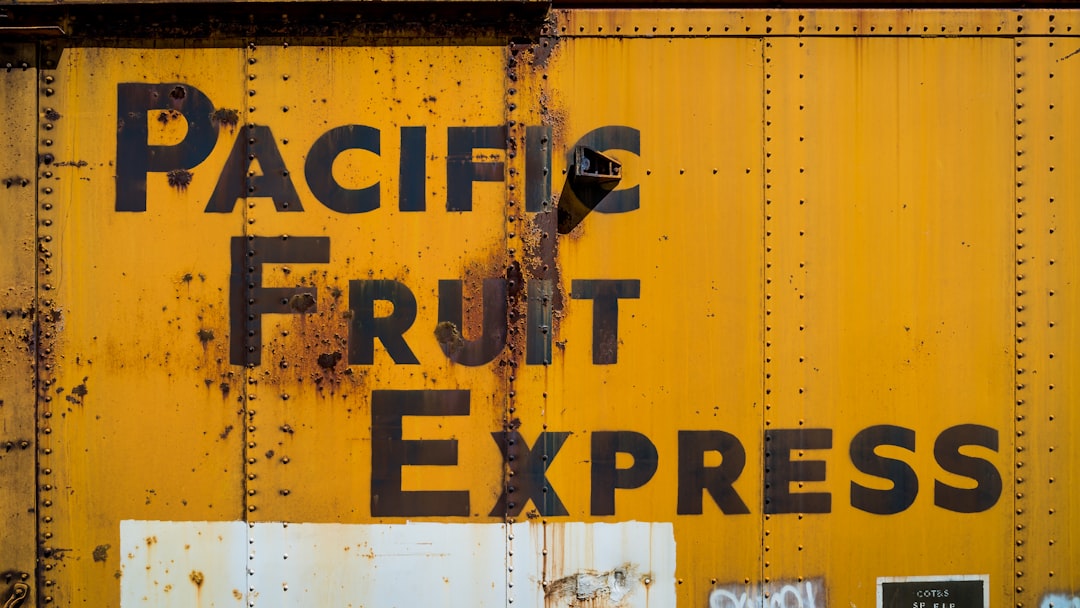
The Butterfinger logo is best understood as a custom, chunky bold lettering treatment rather than a single installed font. The letters are thick, heavy, and confident, drawn with the kind of weight you would expect from a brand built on a dense, crunchy candy core. That chunky, bold character is the whole identity: the wordmark looks solid and substantial rather than simply typed. As with most confectionery logos, the characters were drawn, weighted, and spaced by hand so the bold balance falls exactly where the designers wanted it.
Because chocolate companies commission lettering artists for their branding, treat the precise construction as an informed observation, not a confirmed spec. What we can say confidently is that it is not a famous commercial font dropped in unedited. The treatment is reminiscent of heavy, chunky slab-display lettering rather than any one downloadable face. If it were a stock typeface, fans would have named it years ago, so treat the construction as bespoke chunky bold lettering built specifically for the brand.
What typeface does Butterfinger use in its branding?
Across the wrappers, packaging, advertising, and decades of merchandise, Butterfinger keeps its custom chunky wordmark while pairing it with cleaner, more legible faces for product names, taglines, and supporting copy. The logo gets the thick, heavy treatment; functional text such as ingredient lists and nutritional copy is usually set in a quieter sans so it stays readable at small sizes. This split between a characterful display logo and neutral body type is standard across confectionery marketing.
So if your goal is to mirror the whole identity, you need two decisions: one chunky, bold display for the headline with thick heavy letters, and one calm, well-spaced face for paragraphs. Setting body copy in the heavy chunky display is the most common mistake people make when chasing this bold chocolate aesthetic.
Free fonts that look like the Butterfinger font
No free font will be an exact match, but several capture the chunky, heavy spirit well enough for a poster, a party invite, or a fan project. Bold names below are alternatives you can search for and license accordingly.
| Use case | Butterfinger uses | Free alternative |
|---|---|---|
| Main title / poster | Custom chunky bold logo | Alfa Slab One or Ultra |
| Subtitle / tagline | Heavy block display | Bungee or Archivo Black |
| Body / credits | Clean readable sans | Nunito or Work Sans |
Alfa Slab One is a strong starting point for the title because its thick, heavy slab letters share the logo’s chunky, solid character; scale it large and tune the spacing to match. Ultra gives a broad, weighty slab punch if you want extra solidity, and Bungee or Archivo Black add a heavy, blocky weight that suits the brand’s bold, punchy mood.
For the most authentic effect, set the title in bright orange with a deep blue outline or background, then add a subtle bevel so the letters feel as solid as the candy core. The chunky, heavy character is what makes the logo read as “Butterfinger,” so the weight and colour matter as much as the font. Bold letters can crowd at small sizes, so work large, keep the weights even, and let the letters breathe. A single download will always fall short until you add that orange-and-blue colour and solid styling yourself. For another bold confectionery breakdown, see our KitKat font guide.
Why does Butterfinger use this kind of type?
The lettering is doing real branding work. Butterfinger is built on a dense, crunchy, bold candy core, so its logo needs to feel heavy, punchy, and substantial rather than slick or delicate. Thick, chunky letters read as solid and confident, exactly the mood the brand wants before anyone takes a single crunchy bite. A thin elegant serif would feel wrong here, and a light geometric sans would undersell the heft. The custom treatment balances boldness and weight, making the brand instantly recognisable.
The choice also primes the audience emotionally. Heavy, chunky letters feel solid and satisfying, which suits a brand whose whole pitch is a dense, crispy crunch. That bold, punchy tone is hard to achieve with a stock font, because a generic bold sans reads as neutral rather than substantial. A bespoke treatment lets the designers pitch the feel precisely, somewhere between a loud retro sign and a confident snack promise, which is exactly the register a bold, crunchy chocolate bar wants.
Can I use the Butterfinger font for my own project?
You can recreate the style, but you cannot use the actual logo. The wordmark is part of the brand’s trademarked identity, so copying it for merchandise, a business, or anything implying affiliation is off-limits. Using a free chunky look-alike for a personal, fan, or unrelated creative project is fine as long as you respect each font’s individual license. Our font licensing guide explains personal-versus-commercial use, and our famous brand fonts hub collects more logo type breakdowns. If you are exploring other classic chocolate bars, our Baby Ruth font guide covers another nostalgic favourite.
Frequently Asked Questions
Is the Butterfinger font free to download?
No. The Butterfinger logo is custom confectionery artwork, not a released font, so there is no official file to download. Any “Butterfinger font” you find is a fan recreation or look-alike. For the style, use free fonts like Alfa Slab One or Ultra, add the orange-and-blue colour, and check each license before commercial use.
What font is most similar to the Butterfinger logo?
Alfa Slab One is among the closest free matches for the chunky, heavy letters, with Ultra a broader alternative. Neither is identical, since the logo is hand-styled and relies on its bold weight and signature colours, but with the right orange-and-blue palette and a solid bevel either gets convincingly close for fan projects.
Did the company design the logo itself?
Confectionery companies typically commission lettering artists and brand designers for their packaging, and the chunky bold styling is consistent with that practice. Treat the precise authorship as an informed observation rather than a confirmed credit, but it is clearly custom work rather than a stock font, given how specifically the heavy weight suits the dense, crunchy candy.
Can I use a Butterfinger-style font commercially?
You can use a free look-alike font commercially if its license permits, but you cannot reproduce the trademarked Butterfinger wordmark on products you sell. Set your own text in a free chunky display font instead of copying the official logo, and verify both the font license and trademark rules first. Imitating a bold mood is fine; reproducing the exact logo is not.