Best Cursive Fonts: 30+ Elegant and Flowing Typefaces
The best cursive fonts bring warmth, movement, and personality to any design — qualities that straight-edged, geometric typefaces simply cannot deliver. Whether you are designing wedding invitations, building a brand identity, or adding a personal touch to social media graphics, a well-chosen cursive typeface elevates the work from functional to memorable. The trick is knowing which one to reach for, because the category spans everything from restrained elegance to casual, hand-lettered energy.
This guide curates more than thirty cursive fonts organized by style and purpose: elegant, casual, bold, and free options on Google Fonts. Each entry includes a description, ideal use cases, and availability so you can make a fast, informed decision. If you are newer to working with letterforms, our overview of what typography is covers the foundations, and our dedicated guide to script fonts explores the broader family that cursive belongs to.
What Are Cursive Fonts?
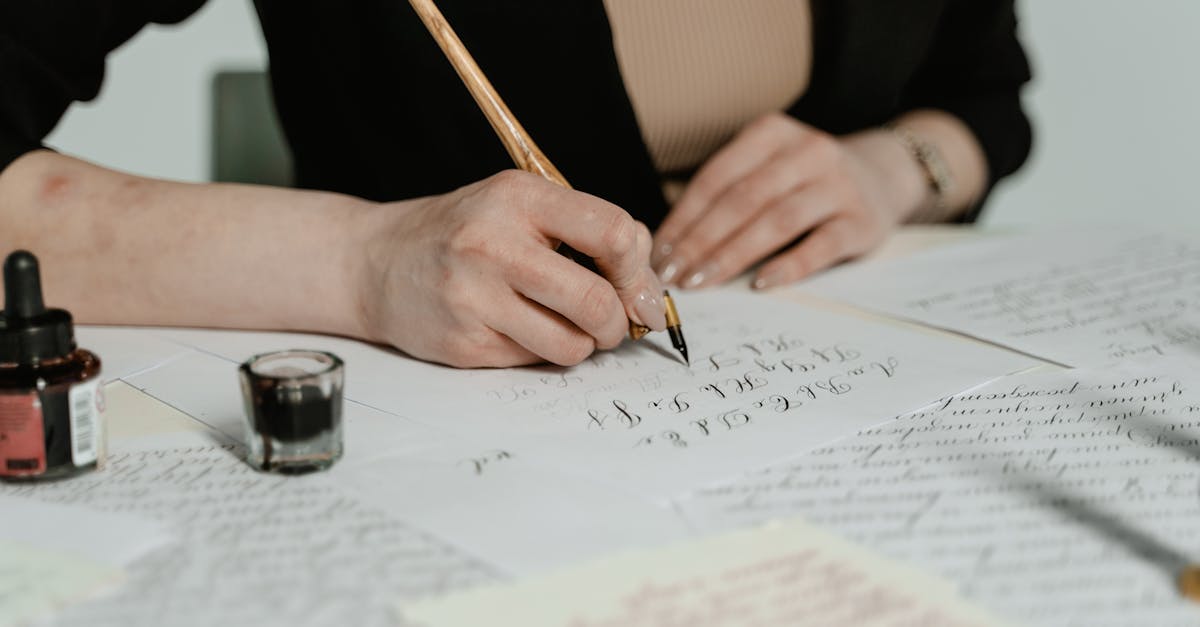
Cursive fonts are typefaces built on connected or flowing letterforms that mimic the motion of handwriting. The defining trait is continuity — letters link to one another through visible strokes, creating a sense of unbroken movement across a word. That continuity is what gives cursive its characteristic rhythm and visual warmth.
The terminology can get confusing because cursive, script, and handwritten are often used interchangeably. They are related but not identical. Script fonts are the broadest category — any typeface that references the strokes of a writing instrument. Within that umbrella, cursive fonts sit in the middle of a spectrum. On one end, you have formal copperplate and Spencerian scripts with precise, highly controlled connections. On the other end, you have handwritten fonts that may not connect at all, relying instead on irregular baselines and stroke variation to feel personal.
Cursive occupies the sweet spot between those extremes. The letters connect, but the overall feeling ranges from polished to relaxed depending on the specific typeface. An elegant cursive font like Great Vibes draws from calligraphic tradition and works on formal stationery. A casual cursive font like Satisfy feels more like a quick signature dashed off with a felt-tip pen. Both are cursive — they just live at different points on the formality scale.
Understanding where a particular cursive font falls on that spectrum is the first step to using it well. A font that is too formal for its context looks stiff and pretentious. One that is too casual undermines credibility. The lists below are organized by tone so you can match the typeface to the occasion.
Best Elegant Cursive Fonts
Elegant cursive fonts draw from calligraphic and copperplate traditions. They feature pronounced thick-thin stroke contrast, graceful connections between letters, and often include decorative swashes and flourishes. These are the typefaces you reach for when the design needs to feel refined, luxurious, or ceremonial — think wedding invitations, formal event programs, luxury branding, and high-end packaging.
Great Vibes
Great Vibes is one of the most popular elegant cursive fonts available, and for good reason. Designed by Robert Leuschke, it combines flowing calligraphic letterforms with excellent readability at display sizes. The thick-thin contrast is dramatic but controlled, and the connections between letters feel natural rather than forced. The uppercase letters feature generous swashes that add visual interest without overwhelming the text.
Great Vibes is free on Google Fonts, which makes it accessible to designers at every budget level. It works beautifully for wedding designs, formal headings, and any context where you need elegance without the licensing cost of a premium alternative.
- Best for: Wedding stationery, formal invitations, elegant display headings
- Price: Free (Google Fonts)
Alex Brush
Alex Brush, also by Robert Leuschke, is a flowing cursive font with a slightly less ornate personality than Great Vibes. The strokes are smooth and consistent, the letterforms connect cleanly, and the overall impression is graceful without being fussy. The moderate x-height keeps it readable even at smaller display sizes, though — like all cursive fonts — it should never be used for body text.
The font works well for branding, social media graphics, and event materials where you want elegance with a lighter touch. It pairs effectively with clean sans-serifs like Montserrat or Lato.
- Best for: Branding, social media overlays, event materials
- Price: Free (Google Fonts)
Allura
Allura sits in the space between casual and formal cursive. Designed by TypeSETit, it has the flowing connections and calligraphic stroke variation of an elegant script, but the overall rhythm feels slightly more relaxed than Great Vibes or Alex Brush. The letterforms are round and open, giving text an approachable warmth even in formal contexts.
This balance makes Allura versatile. It can serve as the headline font on a wedding invitation or the accent typeface on a lifestyle brand’s packaging without feeling out of place in either role.
- Best for: Versatile formal and semi-formal design, lifestyle branding, stationery
- Price: Free (Google Fonts)
Parisienne
Parisienne, designed by Astigmatic, captures a specific kind of elegance — the relaxed sophistication of mid-century French typography. The letterforms are connected and flowing, with moderate contrast and a slightly upright posture that sets it apart from the more italic-leaning cursive fonts on this list. The overall effect is polished but not rigid.
The font reads well at a range of display sizes and works particularly well for restaurant menus, boutique branding, and beauty product packaging where a European sensibility is desired.
- Best for: Restaurant branding, boutique signage, beauty and fashion design
- Price: Free (Google Fonts)
Dancing Script
Dancing Script, designed by Pablo Impallari, sits right on the border between elegant and casual. The letterforms are lively and bouncing — the baseline shifts subtly from letter to letter, giving text a dynamic, energetic quality that static cursive fonts lack. The thick-thin contrast is present but understated, and the connections between letters feel spontaneous rather than calculated.
This energy makes Dancing Script one of the most versatile cursive fonts available. It works for greeting cards, blog headers, social media posts, and informal branding. The font includes four weights (Regular, Medium, SemiBold, Bold), giving designers the flexibility to use it across different contexts within the same project.
- Best for: Greeting cards, blog headers, informal branding, social media graphics
- Price: Free (Google Fonts)
Tangerine
Tangerine is a calligraphic cursive font with a tall, narrow structure that gives it a distinctly formal appearance. Designed by Toshi Omagari, it features fine, delicate strokes with high contrast and tight letter connections. The effect is almost like reading elegant handwriting from a steel-nib dip pen — refined, precise, and unmistakably decorative.
Tangerine requires careful sizing. Its thin strokes can disappear at small sizes, so it works best when set large. In the right context — a wedding monogram, a formal invitation header, or a luxury label — it is stunning. Two weights (Regular and Bold) are available, both free on Google Fonts.
- Best for: Monograms, formal headers, luxury labels, high-end print materials
- Price: Free (Google Fonts)
Lavanderia
Lavanderia, designed by James T. Edmondson, is inspired by the vintage script lettering found on old laundromat signs in San Francisco. It has three weights — Sturdy, Regular, and Delicate — each offering a different level of stroke thickness while maintaining the same flowing, connected letterforms. The design walks a fine line between vintage charm and modern polish.
The font’s retro roots give it a warmth and character that purely formal cursive fonts sometimes lack. It works well for branding, packaging, editorial headlines, and any project that benefits from a touch of mid-century nostalgia without sacrificing readability.
- Best for: Vintage-inspired branding, packaging design, editorial headlines
- Price: Free for personal use
Cormorant SC Italic
Cormorant SC Italic is not a traditional cursive font, but its small-caps italic letterforms have a flowing, cursive-like quality that deserves mention. Designed by Christian Thalmann, Cormorant is a display serif family inspired by Garamond, and its italic small-caps variant combines the elegance of classical type design with the forward motion of cursive writing.
This hybrid quality makes Cormorant SC Italic a sophisticated choice for designers who want the feeling of cursive without committing to a full script typeface. It is especially effective for luxury branding, book titles, and editorial design where legibility at smaller sizes matters more than it does with traditional calligraphy fonts.
- Best for: Luxury branding, book titles, editorial design, refined web typography
- Price: Free (Google Fonts)
Best Casual Cursive Fonts
Casual cursive fonts trade formality for friendliness. The stroke contrast is lower, the connections between letters feel relaxed rather than precise, and the overall impression is warm and approachable. These are the pretty cursive fonts that work for lifestyle brands, social media, casual stationery, and any project where the tone should feel personal rather than ceremonial.
Satisfy
Satisfy has the fluid, confident look of a signature written with a thick felt-tip marker. The strokes are uniform in weight, the connections between letters are smooth, and the overall rhythm is quick and decisive. There is no fussiness here — Satisfy communicates ease and personality with minimal effort.
The font works well for casual branding, blog headers, pull quotes, and social media graphics. Its readability holds up across a range of sizes, making it one of the more practical casual cursive options available.
- Best for: Casual branding, blog headers, pull quotes, social media
- Price: Free (Google Fonts)
Sacramento
Sacramento is a monoline cursive font — meaning the stroke width is essentially consistent throughout every letterform. This uniformity gives it a clean, modern feel that distinguishes it from the calligraphic variation found in fonts like Great Vibes. Designed by Astigmatic, it has a semi-connected structure with letterforms that flow together naturally.
The monoline quality makes Sacramento versatile. It feels equally at home on a coffee shop menu as it does on a personal blog header. It pairs well with bold sans-serifs and is a reliable choice when you need a cursive accent that will not compete with other design elements.
- Best for: Modern branding, menus, blog design, lifestyle content
- Price: Free (Google Fonts)
Cookie
Cookie, designed by Ania Kruk, has a buoyant, cheerful personality. The letterforms are rounded and slightly bouncing, with connections that feel casual and unforced. The stroke weight is medium — heavier than a monoline like Sacramento but lighter than a bold display font like Lobster. This middle ground makes Cookie readable and friendly without feeling heavy.
The font works particularly well for food and beverage branding, children’s products, and greeting card design — any context where the visual tone should be warm and inviting.
- Best for: Food branding, greeting cards, children’s products, cheerful design
- Price: Free (Google Fonts)
Yellowtail
Yellowtail draws its personality from mid-century American hand lettering — the kind of script you would find on a 1950s diner sign or a vintage advertisement. Designed by Astigmatic, it has a flat brush quality with moderate connections between letters and a slightly condensed structure. The effect is nostalgic, casual, and distinctly American.
The font is a strong choice for retro branding, food truck logos, casual event materials, and any design that benefits from a vintage Americana aesthetic. It holds up well at large display sizes and has enough character to function as a logotype.
- Best for: Retro branding, diner signage, vintage-inspired packaging, casual logotypes
- Price: Free (Google Fonts)
Kaushan Script
Kaushan Script, designed by Pablo Impallari, has an energetic, slightly rough quality that gives it a hand-lettered feel. The connections between letters are not always smooth — some have deliberate breaks that mimic the natural lift of a pen. The strokes carry a subtle brush-like texture, adding visual interest and authenticity.
This controlled imperfection makes Kaushan Script a strong option for projects that need to feel handmade without looking sloppy. It works for craft branding, artisanal packaging, and any design where authenticity matters more than polish.
- Best for: Craft branding, artisanal packaging, hand-lettered style design
- Price: Free (Google Fonts)
Arizonia
Arizonia is a flowing cursive font with a slightly more refined quality than the other casual options on this list. Designed by TypeSETit, it has gentle thick-thin contrast and smooth, sweeping connections that give text an effortless elegance. The uppercase letters include subtle flourishes that add personality without tipping into formal territory.
Arizonia works well as a bridge between casual and elegant — suitable for boutique branding, fashion content, and semi-formal invitations where a full-dress calligraphic script would feel like overkill.
- Best for: Boutique branding, fashion content, semi-formal invitations
- Price: Free (Google Fonts)
Best Bold Cursive Fonts
Bold cursive fonts make a statement. Their heavier stroke weights demand attention, making them ideal for logos, packaging, signage, and any context where the type needs to compete with imagery or environmental noise. These fonts sacrifice some of the delicacy of their thinner counterparts in exchange for impact and presence.
Lobster
Lobster is one of the most recognizable free cursive fonts on the internet. Designed by Pablo Impallari, it features thick, connected letterforms with a retro-modern personality. The bold strokes and round terminals give it a confident, playful quality, and its extensive set of contextual alternates helps prevent the repetitive appearance that plagues many display scripts.
Lobster’s popularity is both a strength and a weakness. It is well-crafted and free, but its ubiquity means it can feel generic in certain contexts. If you choose it, make sure the surrounding design gives it a fresh context. It is excellent for food packaging, casual signage, and lifestyle branding that needs weight and warmth. For more options in this vein, see our guide to bold fonts.
- Best for: Food packaging, casual signage, lifestyle branding, statement headings
- Price: Free (Google Fonts)
Pacifico
Pacifico channels the breezy, sun-washed energy of 1950s surf culture. The letterforms are thick, rounded, and connected with an easy, flowing rhythm that makes everything set in it feel relaxed and approachable. Designed by Vernon Adams, it has become one of the most-used cursive fonts on the web — a testament to how effectively it communicates a casual, friendly tone.
Pacifico is a natural fit for brands in the food, travel, outdoor recreation, and lifestyle spaces. Its bold weight ensures it reads well on packaging, signage, and apparel, and its free availability on Google Fonts removes any barrier to use.
- Best for: Surf and outdoor branding, food packaging, casual apparel, travel design
- Price: Free (Google Fonts)
Rochester
Rochester takes the flowing connections of cursive and renders them in a medium-bold weight with subtle vintage character. The letterforms reference early twentieth-century display lettering — the kind of script you would find on the awning of a department store or the masthead of a fashion magazine from the 1920s. The strokes are confident without being heavy, and the overall effect is sophisticated and slightly nostalgic.
Rochester is a strong choice for branding projects in fashion, hospitality, and editorial design. Its weight provides presence without the playful exuberance of Lobster or Pacifico, making it suitable for contexts that need boldness with restraint.
- Best for: Fashion branding, hospitality design, editorial mastheads, sophisticated signage
- Price: Free (Google Fonts)
Grand Hotel
Grand Hotel, designed by Astigmatic, draws from the classic Hollywood glamour of mid-century American lettering. The strokes are bold and confident, the connections between letters are smooth and flowing, and the overall personality is polished and warm. The font nods to the golden age of American commercial lettering without feeling like a period piece.
Grand Hotel works well for restaurant branding, entertainment design, event materials, and any project that benefits from a touch of retro sophistication. Its bold weight ensures strong readability on signage and packaging.
- Best for: Restaurant branding, entertainment design, event materials, retro-inspired projects
- Price: Free (Google Fonts)
Best Free Cursive Fonts on Google Fonts
Google Fonts remains the most accessible source of high-quality free cursive fonts for web and print design. Every font listed below is available at no cost, with open licenses that permit both personal and commercial use. Here is a curated selection organized by style to help you navigate the library efficiently. For a broader overview of the platform, see our guide to the best Google Fonts.
Elegant and formal: Great Vibes, Alex Brush, Allura, Tangerine, Pinyon Script, Mrs Saint Delafield
Casual and friendly: Dancing Script, Satisfy, Sacramento, Cookie, Arizonia, Merienda
Bold and statement-making: Lobster, Pacifico, Grand Hotel, Rochester, Kaushan Script
Monoline and modern: Sacramento, Bad Script, Indie Flower (semi-cursive), Caveat
The quality of free cursive fonts has improved significantly over the past decade. Many of the fonts listed above — Great Vibes, Dancing Script, Lobster — are genuinely excellent typefaces that hold their own against premium alternatives. The key is to evaluate each one in the context of your specific project rather than defaulting to the most popular option.
Cursive Fonts for Specific Uses
The best cursive font for your project depends entirely on context. A typeface that works beautifully on a wedding invitation may look absurd on a tech startup’s website. Below are recommendations organized by common use case.
Wedding Design
Wedding design demands elegance, readability, and a sense of occasion. The best elegant cursive fonts for weddings include Great Vibes, Allura, and Tangerine for a traditional calligraphic feel, or Dancing Script and Parisienne for a slightly more relaxed, modern ceremony. Use the cursive font for the couple’s names, the event title, or key phrases — never for the full invitation text. Pair it with a clean serif or sans-serif for the logistical details. Our guide to wedding fonts covers this territory in depth.
Branding and Logo Design
Cursive fonts in branding communicate personality, warmth, and craftsmanship. For luxury and fashion brands, Cormorant SC Italic, Alex Brush, or Lavanderia offer refinement. For lifestyle and food brands, Satisfy, Pacifico, or Sacramento feel approachable and authentic. For bold, statement-making logos, Lobster or Grand Hotel provide the necessary weight. The most important consideration is uniqueness — if the font is widely used (and Lobster, Pacifico, and Dancing Script all are), your surrounding design work needs to differentiate the brand.
Social Media Design
Social media moves fast, and cursive fonts need to be immediately readable at a glance, often on small screens. Dancing Script, Satisfy, and Sacramento work well because they maintain clarity even at moderate sizes. Avoid overly ornate options like Tangerine or Pinyon Script, which can break down on mobile displays. Keep your cursive text short — a headline, a quote, a call-to-action — and set it against clean, uncluttered backgrounds.
Invitations and Stationery
Beyond weddings, cursive fonts serve birthday invitations, baby shower announcements, dinner party programs, and personal stationery. The tone of the event should guide the font choice. Great Vibes or Allura for formal events. Cookie or Arizonia for casual gatherings. Parisienne for something in between. In all cases, use the cursive font sparingly — headlines and names only — and let a secondary typeface handle the body text.
Packaging Design
Packaging needs to work at multiple viewing distances and compete with surrounding products on a shelf. Bold cursive fonts like Lobster, Pacifico, and Grand Hotel perform well here because their heavier strokes remain legible from a distance. For premium packaging, Lavanderia or Alex Brush add a handcrafted quality that signals artisan production. Always test your cursive font at the actual production size — what looks elegant on screen may become illegible when printed on a small label.
Pairing Cursive Fonts
The single most important rule of font pairing with cursive typefaces is this: never pair two cursive fonts together. Two flowing, connected scripts in the same design compete for attention, creating visual confusion and undermining the elegance that made you reach for a cursive font in the first place.
The classic formula is one cursive font plus one clean, neutral typeface. The cursive handles the headline, the accent, or the decorative element. The clean font handles everything else. This contrast is what makes the cursive stand out — its flowing forms need the stability of straight-edged letterforms to shine.
The most reliable pairing partners for cursive fonts are clean sans-serifs. Montserrat, Lato, Open Sans, and Raleway all work because they are neutral enough to support a cursive headline without competing with it. For a more traditional feel, pair your cursive font with a classic serif like Libre Baskerville, Playfair Display, or Cormorant.
Specific pairings that work consistently well:
- Great Vibes + Montserrat: Elegant and clean, ideal for wedding and formal design
- Dancing Script + Lato: Friendly and readable, strong for blog and lifestyle branding
- Lobster + Open Sans: Bold and balanced, effective for food and casual packaging
- Parisienne + Raleway: Sophisticated and modern, suitable for boutique and fashion
- Satisfy + Roboto: Casual and functional, reliable for web and social media design
In every pairing, let the cursive font be the star. Set it larger, give it a contrasting color, or position it prominently. The supporting typeface should recede into the background, providing structure without drawing attention to itself.
Readability Tips for Cursive Fonts
Cursive fonts are inherently less readable than standard serif or sans-serif typefaces. The connected letterforms, the stroke variation, and the decorative flourishes all slow down reading speed. That is not a flaw — it is a design characteristic. But it means cursive fonts require more careful handling than their straight-edged counterparts.
Use cursive fonts at large sizes only. The flowing connections and stroke details that make cursive beautiful are the first things to break down at small sizes. As a general rule, cursive fonts should be set at 24 pixels or larger for screen and 14 points or larger for print. Delicate options like Tangerine may need even larger settings.
Limit cursive to short text. Headlines, names, pull quotes, taglines, and accent phrases — these are the territories where cursive thrives. Full paragraphs of cursive text are nearly impossible to read comfortably, regardless of how well-designed the font is. If your text runs longer than a single sentence, switch to a standard typeface.
Avoid all-caps in cursive. Most cursive fonts are designed around their lowercase letterforms, where the connections between letters create the flowing rhythm that defines the style. Uppercase cursive letters are typically standalone forms — they do not connect naturally, and setting a full word in uppercase eliminates the flowing quality that is the entire point of using a cursive font.
Mind the letter spacing. Cursive fonts rely on precise spacing to maintain their connections. Adding extra letter spacing (tracking) to a cursive font will break the links between letterforms, creating an awkward, disjointed appearance. If the default spacing feels too tight, choose a different font rather than adjusting the tracking.
Test on diverse screens. The thin strokes in many elegant cursive fonts can render poorly on low-resolution displays or small mobile screens. Always preview your cursive text on multiple devices before finalizing a design. What looks crisp and flowing on a high-resolution desktop monitor may appear fuzzy or broken on a budget smartphone.
Frequently Asked Questions
What is the difference between cursive and script fonts?
Script fonts are the broader category — any typeface that mimics handwriting or calligraphy. Cursive fonts are a subset of script fonts specifically characterized by connected or flowing letterforms. All cursive fonts are script fonts, but not all script fonts are cursive. A brush script with disconnected letters, for example, qualifies as a script font but not as a cursive font.
Can I use cursive fonts for body text?
No. Cursive fonts are display typefaces designed for headlines, accents, and short text. Their connected letterforms and decorative qualities slow down reading speed significantly. For body text, use a well-designed serif or sans-serif typeface and reserve the cursive font for headings, pull quotes, or other display elements.
Are there free cursive fonts good enough for professional work?
Yes. Several free cursive fonts on Google Fonts are genuinely excellent and used regularly in professional design. Great Vibes, Dancing Script, Lobster, Pacifico, and Alex Brush all meet professional standards for character design, spacing, and OpenType features. The key is selecting the right font for the project rather than assuming free means low-quality.
How do I choose between similar cursive fonts?
Test each option in the actual context of your design rather than evaluating specimens in isolation. Set the fonts at the exact size and color you plan to use, place them alongside your other design elements, and assess which one best matches the tone you are after. Small differences in stroke weight, letter connections, and baseline rhythm can create significantly different impressions once a font is placed in a real layout.
What fonts pair well with cursive typefaces?
Clean sans-serif fonts like Montserrat, Lato, Open Sans, and Raleway are the most reliable pairing partners for cursive typefaces. Classic serifs like Libre Baskerville and Playfair Display also work well. The key principle is contrast — pair the decorative, flowing quality of the cursive font with something stable and neutral. Never pair two cursive or script fonts together in the same design.