Salmon vs Coral: What’s the Difference?
Salmon vs coral is a color comparison that comes up frequently in fashion, interior design, wedding planning, and graphic design. Both are warm pink-orange tones that sit in the same region of the color wheel, but they create noticeably different impressions. Salmon (~#FA8072) is softer, pinker, and more muted — a gentle, understated hue. Coral (~#FF7F50) is brighter, more orange, and more saturated — a vibrant, energetic hue. Understanding the difference between salmon and coral helps you pick the perfect warm tone for your next project.
Salmon: The Soft Pink-Orange
Salmon gets its name from the pink-orange flesh of the Atlantic salmon. The color captures the gentle, muted warmth of the fish’s meat — a pink with just enough orange to keep it from feeling cool, and enough gray to keep it from feeling loud.
The standard web hex for salmon is #FA8072, with RGB values of (250, 128, 114). Looking at those numbers, you can see that red dominates, with moderate green and a slightly lower blue, producing a pinkish tone that is distinctly warm but not intensely saturated.
Salmon feels soft, approachable, and calming. It has a muted quality that makes it versatile and easy to work with. In color psychology, salmon blends the warmth and energy of orange-red with the gentleness of pink, creating a color that is nurturing without being overly sweet. It is frequently described as a “grown-up pink.”
Salmon in Fashion and Design
Salmon is a perennial favorite in spring and summer fashion. It flatters a wide range of skin tones and reads as polished and understated. In interior design, salmon walls or accents create a warm, inviting atmosphere without the intensity of coral or the coolness of blush pink. In graphic design, salmon works beautifully as a background color or as part of a pastel color palette because it is light enough to allow dark text to remain readable.
Coral: The Vibrant Pink-Orange
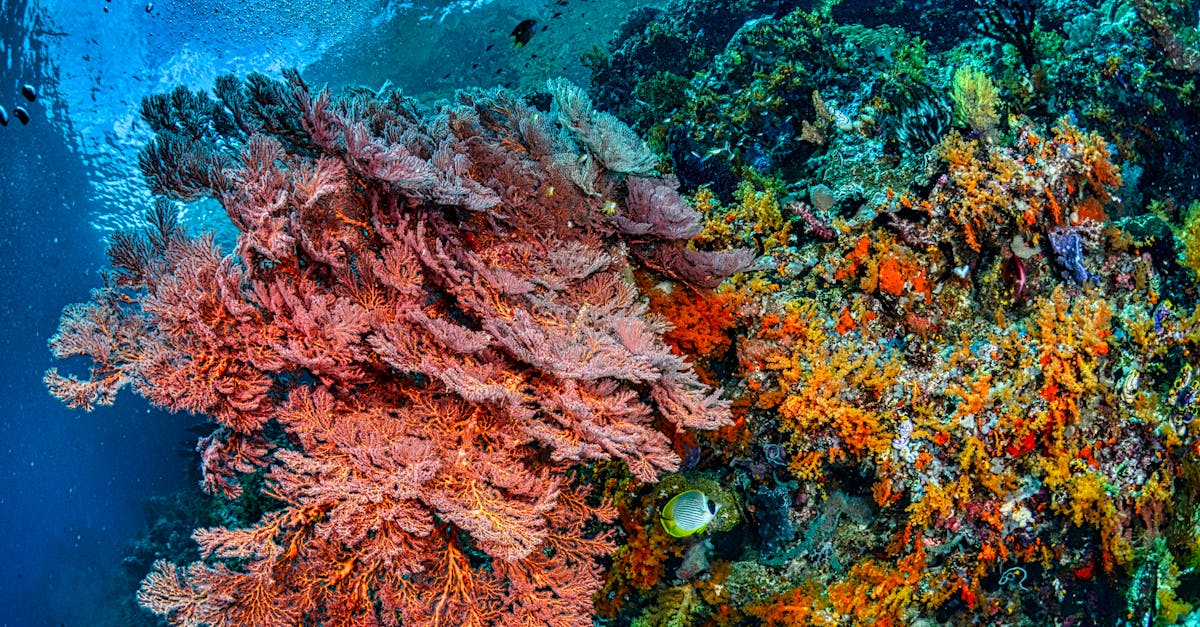
Coral takes its name from the marine organisms that build colorful reef structures in tropical waters. The most iconic coral reefs display vivid pink-orange hues, and the color captures that lively, sun-warmed energy.
The standard web hex for coral is #FF7F50, with RGB values of (255, 127, 80). The full red value combined with a moderate green and lower blue produces a shade that leans more decisively toward orange than salmon does, with higher overall saturation.
Coral feels vibrant, cheerful, and dynamic. It has a liveliness that immediately draws the eye and evokes tropical settings, summer sunsets, and beach vacations. Pantone named “Living Coral” (16-1546) its Color of the Year for 2019, describing it as “an animating and life-affirming” shade that “energizes and enlivens with a softer edge.”
Coral in Fashion and Design
Coral is a statement color. In fashion, it works as a bold lip color, a standout dress, or a striking accessory. It pairs particularly well with turquoise and teal for a tropical palette, or with navy and white for a nautical-inspired look. In graphic design, coral excels as an accent color or call-to-action hue because its warmth naturally draws attention. It is a popular choice in the beauty, travel, and food industries.
Key Differences Between Salmon and Coral
- Saturation: Salmon is more muted and subdued; coral is brighter and more saturated.
- Pink vs. orange balance: Salmon leans more pink; coral leans more orange.
- Lightness: Salmon is slightly lighter and softer; coral is bolder and more vivid.
- Mood: Salmon is gentle, calming, and understated; coral is cheerful, energetic, and eye-catching.
- Origin: Salmon is named after the fish; coral is named after the marine organism.
- Use case: Salmon is ideal for backgrounds and subtle accents; coral is ideal for focal points and bold statements.
Hex Codes and Design Use
- Salmon: #FA8072 | RGB (250, 128, 114) — soft, muted pink-orange
- Light Salmon: #FFA07A | RGB (255, 160, 122) — an even lighter, peachier variant
- Coral: #FF7F50 | RGB (255, 127, 80) — vivid, warm pink-orange
- Light Coral: #F08080 | RGB (240, 128, 128) — a pinker, softer version of coral
Both salmon and coral are warm colors that pair well with complementary cool tones. For salmon, try pairing with sage green, dusty blue, or soft lavender. For coral, try turquoise, navy, deep teal, or bright aqua. Both look excellent alongside neutral tones like cream, beige, white, and charcoal.
In CMYK printing, both colors translate well to print, though coral’s higher saturation may require careful calibration to maintain its vibrancy on paper.
When to Use Each
Choose salmon when:
- You want a warm but subtle background color
- Your design calls for a sophisticated, muted warmth
- You are creating a pastel palette for wedding invitations, beauty brands, or wellness content
- You need a warm neutral that pairs easily with many other colors
Choose coral when:
- You want an attention-grabbing accent or focal color
- Your design has a tropical, summer, or beach theme
- You are building a pink color palette that needs energy and vibrancy
- You want to create a bold contrast with cool blues and greens
Frequently Asked Questions
Is salmon more pink or orange?
Salmon is more pink than orange, though it contains both. Compared to coral, salmon has a noticeable pink dominance with just enough orange warmth to keep it from reading as a standard pink. It sits closer to the pink end of the pink-orange spectrum.
Is coral a warm or cool color?
Coral is definitively a warm color. It combines red and orange, both of which are warm primaries, with just enough pink softness to keep it approachable. Coral reads as warm, inviting, and sunny in virtually every design context.
Can salmon and coral be used together?
Yes. Salmon and coral create a beautiful tonal pairing within the same warm pink-orange family. Use salmon as the softer, lighter element (backgrounds, large areas) and coral as the bolder, more saturated accent (buttons, headlines, key graphics). Add a cool neutral like soft gray or white to balance the warmth.
What is the best complementary color for coral?
Turquoise and teal are the most popular complementary colors for coral. The warm-cool contrast creates a vibrant, balanced composition. Navy and deep green also pair beautifully with coral for a slightly more sophisticated look.


