Wine vs Burgundy: What’s the Difference?
Wine vs burgundy is a subtle comparison that trips up even experienced designers and fashion professionals. Both are deep, dark reds associated with sophistication, luxury, and richness. However, they are not interchangeable. Wine (~#722F37) is a broader, slightly more brownish dark red that can range widely depending on context. Burgundy (~#800020) is a more specific purplish dark red named after the famous wine region in France. Understanding the difference between wine and burgundy helps you select the right moody red for your designs, wardrobes, and brand palettes.
Wine: The Rich Dark Red
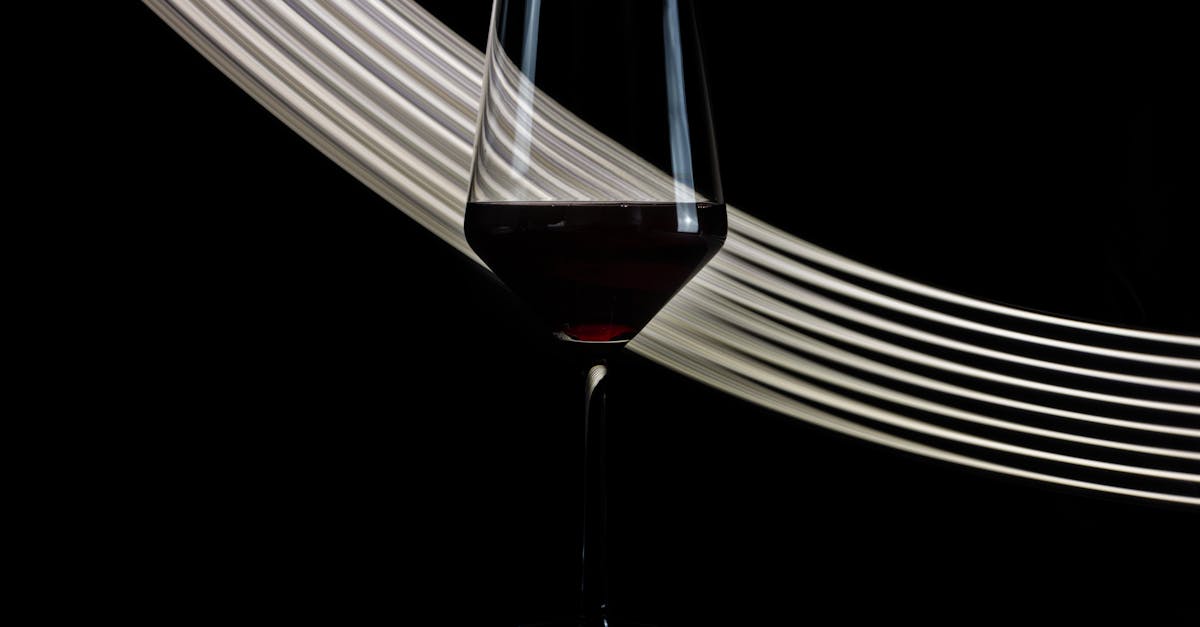
Wine color is inspired by, unsurprisingly, wine — specifically the deep red hues of red wines. Because red wines vary enormously in shade (from light, bright Pinot Noir to inky, almost-black Malbec), the term “wine color” is inherently broad. It serves as a general category more than a precise shade.
The commonly referenced hex for wine is #722F37, with RGB values of (114, 47, 55). This produces a dark red with a slightly brownish, earthy undertone. It is warm, grounded, and feels organic — as if stained by actual red wine on a linen tablecloth.
In color psychology, wine tones convey warmth, indulgence, and comfort. They feel less formal than pure black but more sophisticated than standard red. Wine is the color of cozy evenings, candlelit dinners, and autumn harvests.
Wine in Fashion and Interiors
Wine is an incredibly versatile dark red in fashion. It works as a neutral-adjacent hue that pairs with virtually everything — black, navy, cream, gray, olive, blush, and gold. Wine-colored garments feel seasonless but peak in popularity during autumn and winter. In interior design, wine-toned walls, upholstery, or accents add warmth and drama without the formality of burgundy or the intensity of crimson.
Burgundy: The French Purple-Red
Burgundy is named after the Burgundy wine produced in the Burgundy region (Bourgogne) of eastern France. As a color, burgundy is more precisely defined than generic “wine.” It is a dark red with a distinct purplish undertone, deeper and cooler than what most people picture when they think of standard wine color.
The typical hex for burgundy is #800020, with RGB values of (128, 0, 32). Notice the absence of green in this mix — it is pure red and a touch of blue, creating a clean, cool-leaning dark red with no brownish muddiness. This gives burgundy a more polished, deliberate quality.
Burgundy has historically been associated with power, ambition, and wealth. Like maroon, it is a dark red that communicates seriousness, but burgundy’s purple undertone adds a layer of regality and refinement that maroon, with its browner lean, does not quite achieve.
Burgundy in Branding and Design
Burgundy is a staple in luxury branding. It appears on packaging for premium wines, chocolates, perfumes, and leather goods. In brand identity, burgundy projects confidence, tradition, and exclusivity without feeling as stark as black or as aggressive as bright red. Law firms, financial institutions, and upscale restaurants frequently adopt burgundy as a primary or secondary brand color.
In graphic design, burgundy serves as an excellent dark accent or background color. It provides depth and warmth while maintaining readability when paired with light text colors like white, cream, or gold.
Key Differences Between Wine and Burgundy
- Specificity: Wine is a broad category of dark reds; burgundy is a more precisely defined shade.
- Undertone: Wine tends toward brownish-warm; burgundy tends toward purplish-cool.
- Depth: Burgundy is often slightly darker and more saturated than generic wine tones.
- Origin: Wine refers to the general color of red wines; burgundy specifically references the Burgundy wine region of France.
- Mood: Wine feels earthy, warm, and relaxed; burgundy feels polished, regal, and commanding.
- Formality: Wine is more casual and versatile; burgundy leans more formal and luxurious.
Hex Codes and Design Use
- Wine: #722F37 | RGB (114, 47, 55) — warm, brownish dark red
- Burgundy: #800020 | RGB (128, 0, 32) — cool, purplish dark red
- Dark Burgundy: #470024 | RGB (71, 0, 36) — a near-black variant
- Vivid Wine: #8E4585 | RGB (142, 69, 133) — a more purple-forward wine shade
Both colors belong to the dark red family and work beautifully in color harmony schemes that call for depth and richness. Pair them with golds and creams for a classic luxury feel, with blush and dusty rose for a romantic palette, or with deep greens and navies for a sophisticated, jewel-toned composition.
In the CMYK color model, both colors are highly ink-heavy, so keep in mind that large areas of wine or burgundy can use significant amounts of ink in printing. Always request a press proof to confirm the shade matches your expectation.
When to Use Each in Design
Choose wine when:
- You want a warm, approachable dark red that feels organic and inviting
- Your project has an autumn, harvest, or rustic theme
- You are building a red color palette that needs earthy depth
- You prefer a slightly more casual, versatile dark red
Choose burgundy when:
- You want a polished, luxurious dark red with a purple undertone
- Your project involves premium branding, high-end packaging, or formal invitations
- You are pairing dark red with golds, silvers, or cool neutrals
- You need a dark red that reads as authoritative and refined
Frequently Asked Questions
Is burgundy darker than wine?
Generally, yes. Burgundy is typically a shade or two darker than wine and carries more saturation. Wine color is more variable — it can range from medium dark to very dark depending on the context — but the standard hex for burgundy (#800020) reads deeper than the standard wine (#722F37).
Is burgundy the same as maroon?
No. While both are dark reds, burgundy and maroon differ in undertone. Burgundy has a purple or blue-red undertone, while maroon has a brown undertone. Maroon (#800000) reads as earthier and warmer, while burgundy (#800020) reads as cooler and more refined.
What colors pair well with wine and burgundy?
Both pair beautifully with gold, cream, blush pink, navy, forest green, and charcoal. Wine also works well with earth tones like terracotta, olive, and tan. Burgundy shines alongside silver, lavender, and icy blue for a cooler, more elegant palette.
Can wine and burgundy be used in the same design?
Yes. Using wine and burgundy together creates a rich, layered dark-red palette. The warmer wine and cooler burgundy complement each other well, adding depth and dimension. Add a light neutral like cream or blush to provide contrast and prevent the palette from feeling too heavy.