Typography Art: Inspiration & Techniques
Typography art is the practice of using letterforms as the primary visual and expressive element in a work of design or fine art. While typography serves a functional role in most design contexts, conveying readable text, typography art elevates type beyond function into something aesthetic, emotional, and often conceptual. From the Swiss Style posters of the 1950s to today’s generative and variable font experiments, the boundary between typography and art has been dissolving for decades, and 2026 finds it more porous than ever.
This guide explores the major forms of typography art, profiles the artists and studios pushing the discipline forward, covers the techniques and tools you need to create your own typographic work, and provides resources for continuing your exploration. Whether you are a designer looking for inspiration or an artist interested in working with letterforms, there has never been a more exciting time to explore the intersection of type and art. [LINK: /best-font/]
What Makes Typography Art Different from Graphic Design
All graphic design involves typography, but not all typography is art in the sense we are discussing here. The distinction lies in intent and emphasis. In conventional graphic design, typography serves the content: it makes text readable, establishes hierarchy, and supports the overall message. In typography art, the letterforms themselves become the content. The shape, texture, movement, and arrangement of type are the primary subject, and any readable message is secondary to the visual and emotional impact.
This does not mean typography art abandons meaning. Many of the most powerful typographic artworks carry profound messages. But the message is communicated through the visual treatment of the type as much as through the words themselves. Stefan Sagmeister’s famous poster for an AIGA lecture, where the text was carved into his own skin and photographed, communicates the idea of suffering for your work not just through the words but through their visceral physical execution.
Typography art exists on a spectrum. At one end, you have highly functional editorial design that happens to be beautiful. At the other end, you have abstract letterform sculptures that are barely recognizable as type. The most compelling work typically occupies the middle ground, where form and meaning reinforce each other.
Major Forms of Typography Art
Typographic Posters
The typographic poster is the oldest and most established form of typography art. Its roots trace to the early 20th century, when designers like El Lissitzky and Jan Tschichold began treating type as a visual composition element rather than just a vehicle for words. The Swiss International Typographic Style formalized this approach in the 1950s and 1960s, producing posters where sans-serif type, mathematical grids, and asymmetric compositions created striking visual impact from text alone.
Contemporary typographic posters have expanded far beyond the Swiss tradition. Today’s poster designers combine type with photography, illustration, 3D rendering, and mixed media to create works of enormous visual complexity. But the core principle remains: the type is the star of the composition, not a supporting player.
Notable contemporary practitioners include Ahn Sang-Soo, whose Korean typographic posters blend tradition and experimentation; the studio Experimental Jetset, whose rigorous Dutch approach creates posters of elegant precision; and Marian Bantjes, whose ornamental, maximalist typographic compositions challenge the minimalist tradition.
3D Typography
Three-dimensional typography transforms flat letterforms into objects with depth, material, and physical presence. This category encompasses both physical type, letterforms constructed from real materials, and digital 3D type, letterforms modeled and rendered in software.
Physical 3D type has a long history in signage and environmental design, but contemporary artists have pushed it into fine art territory. Ben Johnston creates hand-built typographic sculptures from wood, metal, and found objects. Txaber, the Spanish designer, constructs letterforms from everyday materials that photograph like monumental sculptures. Benoit Challand creates hyperrealistic 3D type renders that place letterforms in surreal environments.
Digital 3D typography has exploded with the democratization of tools like Blender, Cinema 4D, and Houdini. Designers now routinely create letterforms with realistic glass, metal, fabric, and fluid simulations. The trend toward inflated, soft, and organic 3D type has been especially prominent in recent years, with artists like David Ariew and Maor Lichtenstein creating typographic work that feels tactile despite existing only on screen.
Kinetic Typography
Kinetic typography is the art of moving type, a form that encompasses everything from film title sequences to social media animations to immersive installations. The term was popularized by the early work of Saul Bass, whose title sequences for films like “Vertigo,” “Psycho,” and “The Man with the Golden Arm” demonstrated that moving type could be as emotionally powerful as any visual imagery.
Today, kinetic typography is ubiquitous in motion design. Studio Dumbar, the Dutch design studio, creates kinetic identity systems where type is in constant motion, shifting weight, size, and arrangement. Manija Emran uses kinetic type to explore cultural identity and language. Motion designers on platforms like Instagram and TikTok have made kinetic typography one of the most accessible forms of typography art, with tools like After Effects, Cavalry, and Rive making animated type achievable for individual designers.
The most effective kinetic typography synchronizes the movement of type with its meaning. Speed conveys urgency, slow reveals create suspense, rhythmic repetition reinforces patterns, and unexpected disruptions mirror conceptual shifts. The movement is not decoration; it is an extension of the typographic message.
Experimental Letterforms
Experimental letterform design pushes the boundaries of what a letter can be while maintaining just enough recognizability to function as type. This category includes deconstructed typefaces, process-based letterforms, and type designs that challenge conventions of readability and form.
The tradition of experimental letterforms traces to the postmodern design movement of the 1980s and 1990s, when designers like Neville Brody, David Carson, and the Cranbrook Academy alumni challenged the legibility orthodoxy of modernist typography. Carson’s work for Ray Gun magazine, where text was sometimes set in Zapf Dingbats or arranged to be deliberately difficult to read, remains a landmark in experimental type.
Contemporary experimental type designers include Hansje van Halem, whose pattern-based typefaces blur the line between type and textile; Typotheque, whose multilingual type systems explore the visual connections between writing systems; and DIA Studio, whose variable font experiments create typefaces that shift and morph based on data inputs and user interaction.
Variable Font Art
Variable fonts, which contain multiple styles within a single file, have opened new creative possibilities for typography art. A variable font can smoothly interpolate between different weights, widths, optical sizes, and custom design axes, creating fluid typographic forms that were impossible with static fonts.
Artists and designers have used variable fonts to create responsive typographic compositions that change based on user interaction, screen size, time of day, or real-time data feeds. Laurenz Brunner’s Circular variable font, for example, has been used in interactive installations where the type’s weight responds to ambient sound levels. Typographic studios like DINAMO and OHNO Type Company design typefaces with extensive variable axes specifically intended for creative and artistic applications.
The creative potential of variable fonts is amplified by web technologies. CSS custom properties and JavaScript allow designers to animate variable font axes in the browser, creating kinetic typographic experiences without video or animation software. This accessibility has democratized variable font art, allowing web designers and developers to create sophisticated typographic interactions.
Data-Driven Typography
Data-driven typography uses real-world data to generate or modify typographic forms. This emerging practice sits at the intersection of typography, data visualization, and generative art. The data might determine the weight, size, color, position, or even the structural form of the letterforms.
Jer Thorp, the data artist, has created installations where text from Twitter feeds generates real-time typographic landscapes. Stefanie Posavec’s work transforms literary texts into visual compositions where typographic properties encode information about the source text. Studio Moniker’s “Poetic License” project generates personalized typographic compositions from visitors’ personal data.
The tools for data-driven typography include Processing, p5.js, D3.js, and TouchDesigner. These creative coding environments allow designers to write programs that generate typographic compositions from data inputs, creating works that are simultaneously textual and visual, readable and abstract.
Typography Installations
Typography installations bring type into physical space at environmental scale. These works transform architecture, landscapes, and public spaces with letterforms that can be walked through, touched, and experienced bodily rather than just visually.
Barbara Kruger’s large-scale text installations, which wrap rooms in bold Futura text, create immersive environments where visitors are surrounded by language. Jenny Holzer’s LED text projections on buildings transform architecture into scrolling typographic canvases. The artist Suso33 creates monumental calligraphic murals on urban buildings that blend graffiti, calligraphy, and environmental design.
On a smaller scale, typographic installations at design conferences and exhibitions have become increasingly ambitious. Interactive installations that respond to visitors’ movements, generative type projected onto surfaces, and physical letterforms constructed from unconventional materials create memorable experiences that demonstrate the spatial potential of type.
Famous Typography Artists and Studios
Understanding the lineage and contemporary landscape of typography art requires familiarity with the artists and studios who have defined and continue to expand the field.
Stefan Sagmeister
Stefan Sagmeister is perhaps the most recognized figure in contemporary typography art. His work consistently uses type as a medium for expressing raw human experience. From the AIGA lecture poster carved into his skin to his long-form “Things I Have Learned in My Life So Far” project, which renders personal truths as large-scale typographic installations in public spaces, Sagmeister’s work demonstrates that type can be as emotionally direct as any visual medium. His studio, Sagmeister & Walsh (now Sagmeister Inc.), continues to produce typographic work that is provocative, personal, and technically innovative.
Paula Scher
Paula Scher, partner at Pentagram, is responsible for some of the most influential typographic work of the past four decades. Her identity for The Public Theater, with its mix of wood type styles and bold asymmetric compositions, redefined how institutional branding could use typography expressively. Her environmental typographic designs for buildings and public spaces demonstrate that large-scale type can be both functional and artistic. Scher’s painted typographic maps, personal art projects featuring dense layers of hand-painted text, represent her most purely artistic typographic work.
David Carson
David Carson’s work as art director of Ray Gun magazine in the 1990s detonated the conventions of typographic design. His layouts featured overlapping text, extreme distortion, unconventional typeface choices, and compositions that prioritized visual energy over readability. While controversial, Carson’s influence on typography art is undeniable: he demonstrated that type could function as visual texture and emotional expression, not just as a vehicle for content. His book “The End of Print” remains a landmark document of experimental typography.
Erik Marinovich
Erik Marinovich bridges the worlds of lettering, type design, and typography art. As co-founder of Friends of Type and a prolific lettering artist, Marinovich creates hand-drawn typographic compositions that combine technical skill with spontaneous energy. His work for brands, publications, and personal projects demonstrates that the hand-made mark retains its power in a digital age. His teaching and workshop practice have also influenced a generation of lettering artists.
Additional Artists and Studios of Note
Jessica Walsh creates bold, colorful typographic compositions that blend photography, 3D elements, and hand lettering. Her personal projects, including “40 Days of Dating” and “Ladies, Wine & Design,” demonstrate how typography can drive narrative projects.
Ruslan Khasanov creates mesmerizing experimental typography using liquid inks, paints, and other physical materials, captured through photography and video. His work demonstrates that typographic art can emerge from material experimentation rather than digital tools.
Underware, the Dutch type foundry, creates typefaces and typographic projects that playfully explore the boundaries of letter design. Their interactive installations and experimental type projects treat type design as a form of art practice.
Irma Boom, the Dutch book designer, creates typographic works in book form that challenge conventions of reading, sequencing, and visual language. Her books for museums and cultural institutions are collected as art objects in their own right.
Techniques and Tools for Creating Typography Art
Creating typography art requires both conceptual thinking and technical skill. Here are the primary techniques and the tools that support them.
Hand Lettering and Calligraphy
Hand lettering remains the most direct form of typographic expression. Working by hand allows for spontaneous, imperfect, and organic letterforms that digital tools cannot easily replicate. Begin with basic lettering tools: brush pens, pointed pens, flat-edged pens, and markers. Practice fundamental letterforms before developing personal styles.
Tools: Tombow brush pens, Pilot Parallel pens, Micron fine liners, quality paper (Rhodia, Canson). For digital hand lettering, iPad with Apple Pencil using Procreate or Adobe Fresco.
Digital Type Design
Creating original typefaces or custom letterforms is a core technique in typography art. Understanding type design principles, including letter construction, spacing, optical corrections, and font technology, opens creative possibilities that off-the-shelf fonts cannot provide.
Tools: Glyphs (Mac, the industry standard for professional type design), RoboFont (Mac, script-based type design), FontForge (free, cross-platform). For experimental and variable font design, Glyphs supports interpolation and variable font exports natively.
3D Type Modeling and Rendering
Creating three-dimensional letterforms requires modeling, texturing, and rendering skills. The typical workflow involves creating or importing 2D letterform outlines, extruding or sculpting them into 3D forms, applying materials and lighting, and rendering the final image or animation.
Tools: Blender (free, powerful for both modeling and rendering), Cinema 4D (industry standard for motion design, excellent type extrusion tools), Houdini (for procedural and simulation-based 3D type), Substance Painter (for realistic material textures).
Motion and Kinetic Typography
Animating type requires understanding both typography and motion design principles. Effective kinetic typography synchronizes movement with meaning, uses easing and timing to create rhythm, and maintains readability even in motion.
Tools: Adobe After Effects (the standard for kinetic typography, with robust text animation tools), Cavalry (a newer alternative with procedural animation capabilities), Rive (for interactive web-based type animation), Lottie (for implementing lightweight type animations on the web).
Generative and Code-Based Typography
Creative coding allows designers to create typographic compositions that are algorithmically generated, data-driven, or interactive. This approach produces results that would be impossible to achieve manually and introduces an element of controlled unpredictability.
Tools: Processing and p5.js (beginner-friendly creative coding environments with built-in text functions), openFrameworks (C++-based, more powerful for complex projects), TouchDesigner (node-based visual programming, excellent for real-time typographic installations), three.js (for 3D typography in the browser).
Mixed Media and Physical Techniques
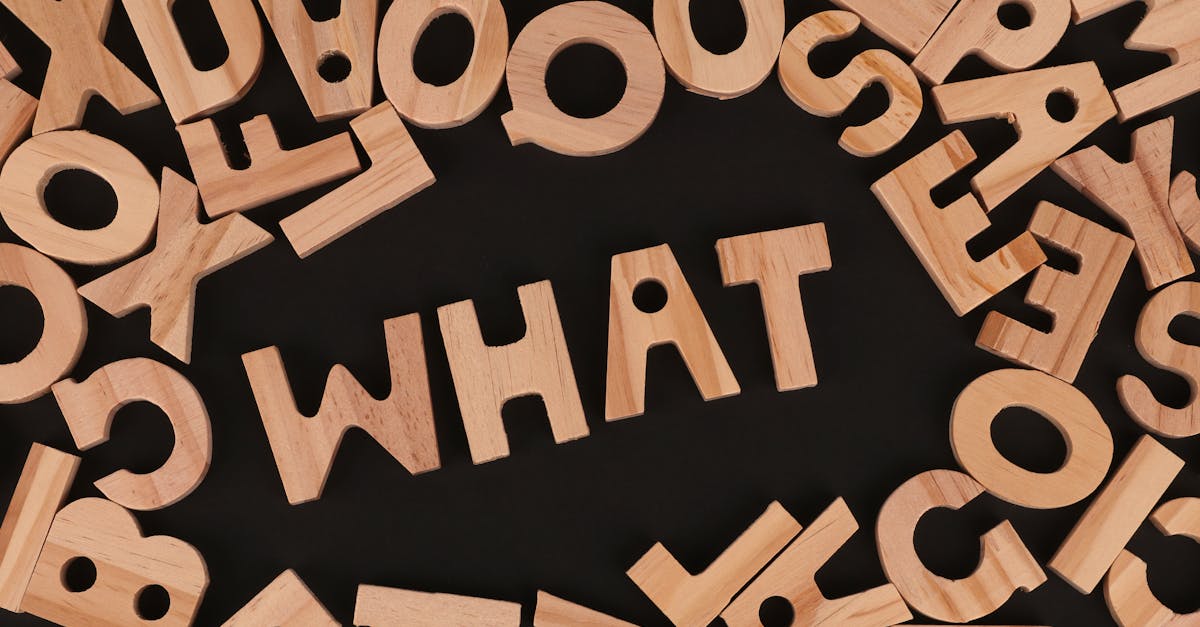
Some of the most striking typography art combines digital precision with physical materials. Techniques include cutting letterforms from physical materials, arranging objects to spell words (food typography, object typography), painting or drawing letterforms at large scale, and photographing or scanning physical type experiments for digital refinement.
Tools: Laser cutters and CNC machines (for precision cutting of physical letterforms), screen printing equipment (for layered typographic prints), a good camera and lighting setup (for documenting physical type work).
How to Develop Your Own Typography Art Practice
Building a typographic art practice requires deliberate study, experimentation, and consistent output. Here is a practical path.
Study the history. Understanding where typography art has been informs where you can take it. Read “Thinking with Type” by Ellen Lupton, “The Elements of Typographic Style” by Robert Bringhurst, and “Type: A Visual History of Typefaces and Graphic Styles” by Cees de Jong. Study the work of the artists mentioned in this article. Visit exhibitions of graphic design and typography when possible.
Practice the fundamentals. Before you can break typographic rules expressively, you need to understand them thoroughly. Study letterform construction, spacing, hierarchy, and the relationship between type and layout. Set text in classic typefaces. Study the anatomy of letters. This foundation will make your experimental work more informed and intentional. [LINK: /graphic-design-basics/]
Start a daily practice. Many successful typographic artists maintain daily or weekly creative practices. A “letter a day” project, a weekly poster challenge, or a consistent exploration of a single technique over time builds skill and generates a body of work. Share your progress on social media to build community and accountability.
Experiment with constraints. Limit yourself to one typeface, one color, one tool, or one concept for a series of explorations. Constraints force creative problem-solving and often produce more interesting results than unlimited freedom.
Cross-pollinate disciplines. The most interesting typography art often emerges at the intersection of type with other disciplines: photography, sculpture, coding, dance, architecture, or data. Seek out collaborators from other fields and look for unexpected connections between type and other forms of expression.
Resources for Typography Art Inspiration
Stay connected to the typography art community through these resources.
Books: “Typography Referenced” by Allan Haley et al., “Lettering & Type” by Bruce Willen and Nolen Strals, “Typographic Systems” by Kimberly Elam, “Just My Type” by Simon Garfield.
Websites and Blogs: Fonts In Use (fonts in real-world application), Typewolf (typographic trends and inspiration), I Love Typography (deep articles on type history and practice), The Type Directors Club (annual award-winning typographic work).
Social Media: Follow hashtags like #typographyart, #typographicinspiration, #kinetictypography, and #letteringart. Instagram and Behance remain the primary platforms for discovering typographic artists.
Conferences: TypeCon, Typographics (New York), ATypI (international), Brand New Conference, OFFF Festival (Barcelona). These events offer opportunities to learn from leading typographic artists and connect with the community. [LINK: /contrast-in-graphic-design/]
Frequently Asked Questions
What is typography art and how is it different from regular typography?
Typography art treats letterforms as the primary visual and expressive element in a composition, whereas regular typography serves a primarily functional role of making text readable and hierarchical. In typography art, the visual treatment of the type, its shape, texture, movement, scale, and material, is the subject of the work. The words may still carry meaning, but the visual and emotional impact of the letterforms is equal to or greater than their textual content. Think of it as the difference between a written poem and a visual poem: both use language, but the visual poem uses the appearance of the language as part of its meaning.
What tools do I need to start creating typography art?
You can start with minimal tools. For hand lettering, a set of brush pens or markers and quality paper is sufficient to begin exploring typographic composition. For digital work, Adobe Illustrator or the free alternative Inkscape provides vector drawing tools for creating custom letterforms. For 3D type, Blender is free and powerful enough for professional-quality results. For kinetic typography, Adobe After Effects is the industry standard, with Cavalry as a capable alternative. The most important tool is not software but a willingness to experiment and a growing knowledge of typographic history and principles.
Who are the most influential typography artists working today?
Several artists and studios are shaping the direction of contemporary typography art. Stefan Sagmeister continues to produce provocative typographic installations and publications. Paula Scher’s environmental typography and identity work at Pentagram sets the standard for large-scale typographic design. Jessica Walsh creates bold, multi-disciplinary typographic projects. In the digital space, studios like DINAMO, OHNO Type Company, and DIA Studio are pushing variable font technology into artistic territory. In lettering, Erik Marinovich and Jessica Hische combine traditional craft with contemporary sensibility. In kinetic typography, studios like Manvs Machine and Animography are defining the possibilities of moving type.
Can typography art be a career, or is it primarily a personal practice?
Typography art can absolutely be a career, though it typically operates within or alongside commercial design practice rather than as a standalone fine art career. Many typographic artists sustain their practice through a combination of commercial work (brand identity, editorial design, motion graphics), teaching (university positions, workshops, online courses), licensing (selling prints, typefaces, and templates), and exhibitions and commissions. The commercial viability of typography art has increased significantly with the growth of motion design, interactive installations, and brand experience design, all of which value creative typographic expression.
How do I find my own style in typography art?
Finding a personal typographic style is a process of exploration, practice, and gradual refinement. Start by studying a wide range of influences, from historical type specimens to contemporary digital experiments. Practice multiple techniques: hand lettering, digital type design, 3D modeling, and motion. Over time, you will naturally gravitate toward certain tools, aesthetics, and conceptual approaches. Your style will emerge from the intersection of your influences, your technical strengths, and your personal interests. Resist the temptation to force a style prematurely. The most authentic typographic voices develop through sustained practice and honest self-assessment over months and years.