What Is Graphic Design? The Complete Guide
So, what is graphic design? At its core, graphic design is the craft of creating visual content to communicate messages. It combines images, typography, color, and layout to inform, engage, or persuade an audience. Whether you notice it consciously or not, graphic design shapes nearly every visual experience you encounter — from the app on your phone to the cereal box on your kitchen counter, from highway signage to the credits rolling at the end of a film. Understanding what graphic design means, how it evolved, and where it is headed will give you a solid foundation whether you are considering a career in the field or simply want to appreciate the designed world around you.
This guide covers everything: a clear definition, the full history of graphic design, the major types and specializations, core principles every designer relies on, essential tools of the trade, realistic career paths and salaries, and where the discipline is heading in the age of artificial intelligence. Consider this your pillar resource — we link out to deeper dives on each subtopic throughout the article.
What Is Graphic Design? A Clear Definition
Graphic design is the practice of planning and projecting ideas and experiences through visual and textual content. It can be as small as a postage stamp or as large as a building-sized mural. The American Institute of Graphic Arts (AIGA) defines it as “the art and practice of planning and projecting ideas and experiences with visual and textual content.” In everyday terms, a graphic designer solves communication problems by choosing and arranging visual elements — type, images, colors, shapes, and space — so a specific message reaches a specific audience effectively.
The term “graphic design” was coined by William Addison Dwiggins in 1922, but the practice predates the name by millennia. Whenever humans have arranged visual marks to convey meaning, they have been engaged in some form of graphic design.
Graphic Design vs. Art
A common question is how graphic design differs from fine art. The key distinction is intent. Fine art is primarily self-expressive; the artist creates from an internal vision. Graphic design art, by contrast, is purpose-driven. A designer begins with a brief — a problem to solve, an audience to reach, a behavior to encourage — and creates work that fulfills that brief. That does not mean graphic design cannot be beautiful or expressive, just that beauty and expression serve a functional goal.
Graphic Design Meaning in the Modern World
Today, the graphic design meaning extends far beyond print. Designers work across screens, physical environments, motion, interactive media, and even voice interfaces. The field has expanded so dramatically that many practitioners now specialize in a single branch — which leads us to the types of graphic design.
A Brief History of Graphic Design
Understanding where graphic design came from helps you understand where it is going. Here is a condensed timeline covering the major milestones.
Ancient Origins: Cave Paintings to Manuscripts
The earliest visual communication dates back roughly 40,000 years to cave paintings in Lascaux, France, and Sulawesi, Indonesia. These were not “design” in the modern sense, but they established the fundamental human impulse to convey ideas visually. Ancient Egyptian hieroglyphics (circa 3200 BCE) combined pictorial and textual elements in structured layouts — arguably the first integration of image and type. Illuminated manuscripts of the medieval period, such as the Book of Kells (circa 800 CE), advanced the art of page layout, decorative initials, and the interplay between text and illustration.
Gutenberg and Movable Type (1440s)
Johannes Gutenberg’s invention of the movable-type printing press around 1440 was a seismic shift. For the first time, text could be reproduced quickly and uniformly. Typeface design became a discipline in its own right. Early type designers like Claude Garamond (1530s) and John Baskerville (1757) created letterforms still in use today. The printing press democratized information and created a demand for people who could arrange type and imagery on a page — the earliest professional graphic designers, even if they were not yet called that.
The Industrial Revolution and Commercial Art (1800s)
Mass production created mass markets, and mass markets needed advertising. Lithographic printing enabled colorful posters, and artists like Jules Chéret and Henri de Toulouse-Lautrec turned the poster into an art form. The Arts and Crafts movement, led by William Morris, pushed back against industrial ugliness with beautifully designed books and decorative objects, insisting that design quality mattered.
Modernism: Bauhaus, Swiss Style, and the New Typography (1900s–1960s)
The 20th century brought a series of design revolutions. The Bauhaus school (1919–1933) in Germany united art, craft, and technology, producing designers like Herbert Bayer, László Moholy-Nagy, and Josef Albers who championed clean geometry, grid systems, and functional typography. After World War II, the Swiss International Typographic Style (Swiss Style) codified many of these principles: grid-based layouts, sans-serif typefaces like Helvetica (1957), objective photography, and clear hierarchy. Designers like Josef Müller-Brockmann, Armin Hofmann, and Max Bill made Swiss Style the dominant force in corporate and institutional design through the 1970s.
Meanwhile, Paul Rand brought modernist principles to American corporate identity, creating iconic logos for IBM, UPS, ABC, and Westinghouse. Saul Bass redefined film title sequences. Massimo Vignelli designed the New York City subway map and corporate identities for American Airlines, Bloomingdale’s, and Knoll.
Postmodernism and the Digital Shift (1970s–1990s)
By the late 1970s, designers like Wolfgang Weingart and his students April Greiman and Dan Friedman began breaking modernist rules — layering, distorting type, embracing chaos. The launch of the Apple Macintosh in 1984, combined with Aldus PageMaker (1985) and Adobe Illustrator (1987), moved design from the drafting table to the screen. The desktop publishing revolution gave anyone with a computer access to professional layout tools. Emigre magazine and designers like David Carson (Ray Gun magazine) embraced digital experimentation and grunge aesthetics.
The Web Era and Beyond (2000s–Present)
The internet created entirely new design disciplines: web design, user interface (UI) design, user experience (UX) design, and motion design for screens. Responsive design, flat design, material design, and now the rise of AI-generated imagery have continued to reshape what graphic design looks like and how it is practiced. Today, a single designer might create a brand identity, design an app interface, animate social media content, and art-direct AI-generated visuals — all in the same week.
Types of Graphic Design
The types of graphic design have multiplied as media channels have expanded. Here are the major specializations a working designer might pursue.
1. Brand Identity and Logo Design
Brand identity design is the process of creating the visual system that represents a company or organization: logo, color palette, typography, imagery style, iconography, and brand guidelines. This is perhaps the most well-known branch of graphic design. Great identity designers — think Pentagram, Landor, Wolff Olins — create visual systems that are flexible, memorable, and meaningful. A strong identity system works across business cards, billboards, apps, uniforms, and packaging without losing coherence.
If you want to see outstanding work in this area, check out our roundup of [LINK: /graphic-design-examples/].
2. Editorial and Publication Design
Editorial design involves laying out content for magazines, newspapers, books, catalogs, and digital publications. It is the art of structuring information so readers can navigate it easily and enjoy the experience. Editorial designers work closely with editors, photographers, and illustrators. Legends in this space include Alexey Brodovitch (Harper’s Bazaar), Willy Fleckhaus (Twen magazine), and more recently Matt Willey (NYT Magazine).
3. User Interface (UI) and User Experience (UX) Design
UI design focuses on the visual elements of digital products — buttons, icons, color schemes, typography, spacing, and layout of apps and websites. UX design is broader, encompassing the entire user journey: research, wireframing, prototyping, usability testing, and information architecture. In practice, many designers work across both. Tools like Figma, Sketch, and Adobe XD dominate this space. The demand for UI/UX designers has exploded as businesses have shifted to digital-first models.
4. Motion Graphics and Animation
Motion graphics bring static design elements to life through animation. This includes animated logos, explainer videos, social media animations, film titles, broadcast graphics, and interactive web animations. Tools like After Effects, Cinema 4D, and Rive are standard. As video content consumption continues to grow across platforms, motion design skills are increasingly valuable.
5. Packaging Design
Packaging design is where graphic design meets industrial design. The packaging designer must consider form, materials, print production, shelf impact, unboxing experience, and regulatory requirements alongside visual communication. Brands like Oatly, Liquid Death, and Glossier have demonstrated that bold packaging can be a primary marketing channel. This specialty requires strong knowledge of print production, dieline creation, and material behavior.
6. Environmental and Wayfinding Design
Environmental graphic design applies visual communication to physical spaces: wayfinding signage in airports and hospitals, exhibition design in museums, wall graphics in offices, and placemaking in retail environments. This discipline bridges graphic design, architecture, and interior design. Firms like Pentagram, Two Twelve, and Gensler are prominent in this area.
7. Advertising and Marketing Design
Advertising design creates visual campaigns for print ads, digital banners, billboards, social media, and direct mail. This work demands strong conceptual thinking — the ability to distill a message into a single, arresting image-and-headline combination. While the channels have shifted heavily toward digital, the foundational skills remain the same: clear communication, visual impact, and emotional resonance.
8. Typography and Type Design
Type design is the specialized craft of creating typefaces. It sits at the intersection of graphic design, calligraphy, and engineering. Foundries like Klim, Commercial Type, Dinamo, and Grilli Type produce typefaces used worldwide. While most graphic designers are type users rather than type creators, a deep understanding of typography is essential to every branch of design. We cover typeface categories in depth in our guides to [LINK: /serif-fonts/], [LINK: /sans-serif-fonts/], and [LINK: /display-fonts/].
Core Principles of Graphic Design
Regardless of specialization, all graphic designers rely on the same foundational principles. These are the building blocks that separate intentional design from random arrangement.
Hierarchy
Visual hierarchy directs the viewer’s eye through content in order of importance. It is achieved through size, weight, color, contrast, placement, and spacing. A well-designed poster, for example, leads the viewer from headline to date to venue to ticket information without confusion. Hierarchy is arguably the single most important principle because it governs how effectively a design communicates.
Contrast
Contrast creates visual interest and draws attention. It can be achieved through differences in color (light versus dark), size (large versus small), weight (bold versus thin), shape (organic versus geometric), or texture (rough versus smooth). Without sufficient contrast, a design feels flat and unreadable. With too much uncontrolled contrast, it feels chaotic.
Balance
Balance refers to the distribution of visual weight across a composition. Symmetrical balance creates a sense of formality and stability. Asymmetrical balance — more dynamic and modern — achieves equilibrium through the careful distribution of different-sized elements. Most contemporary design favors asymmetrical balance because it feels more natural and engaging.
Alignment
Alignment creates order and organization. When elements are aligned — to each other, to a grid, to an edge — the design feels cohesive and intentional. When alignment is random, the design feels amateurish. Grid systems, from the simple single-column to complex multi-column modular grids, are the primary tool for maintaining alignment.
Repetition and Consistency
Repetition of visual elements — colors, typefaces, spacing values, shapes, graphic motifs — creates unity across a design or design system. A brand that uses the same typeface, color palette, and spacing conventions across every touchpoint feels professional and trustworthy. Repetition is the engine of branding.
Proximity
Elements that are related should be grouped together; elements that are unrelated should be separated. This principle, rooted in Gestalt psychology, helps viewers understand the structure and relationships within information. On a business card, for example, the name and title should be close together, while the contact information forms its own group.
White Space
White space (also called negative space) is the empty area between and around design elements. Far from being “wasted” space, white space gives elements room to breathe, improves readability, creates focus, and conveys sophistication. Luxury brands like Apple, Aesop, and Celine use generous white space to communicate premium quality. Beginner designers often try to fill every pixel; experienced designers know when to leave space empty.
Essential Tools for Graphic Design
The tools a graphic designer uses depend on their specialization, but certain platforms dominate the industry.
Adobe Creative Cloud
Adobe remains the industry standard for many graphic design disciplines. The core applications include:
- Photoshop — Raster image editing, photo manipulation, digital painting, and compositing. Essential for photography-heavy work, retouching, and texture creation.
- Illustrator — Vector graphics creation. The go-to tool for logo design, icon design, illustration, and any work that needs to scale from a favicon to a billboard.
- InDesign — Page layout and publication design. Used for books, magazines, catalogs, reports, and any multi-page document. Its typographic controls are unmatched.
- After Effects — Motion graphics and visual effects. The standard for animated explainers, title sequences, social media animations, and broadcast graphics.
- Premiere Pro — Video editing. Often used alongside After Effects for projects that combine live footage and motion graphics.
Figma
Figma has become the dominant tool for UI/UX design, and it is increasingly used for other design work as well. Its real-time collaboration features, browser-based accessibility, component system, and developer handoff capabilities have made it indispensable in product design teams. Many designers now use Figma for presentation design, social media graphics, and even simple print layouts.
Procreate
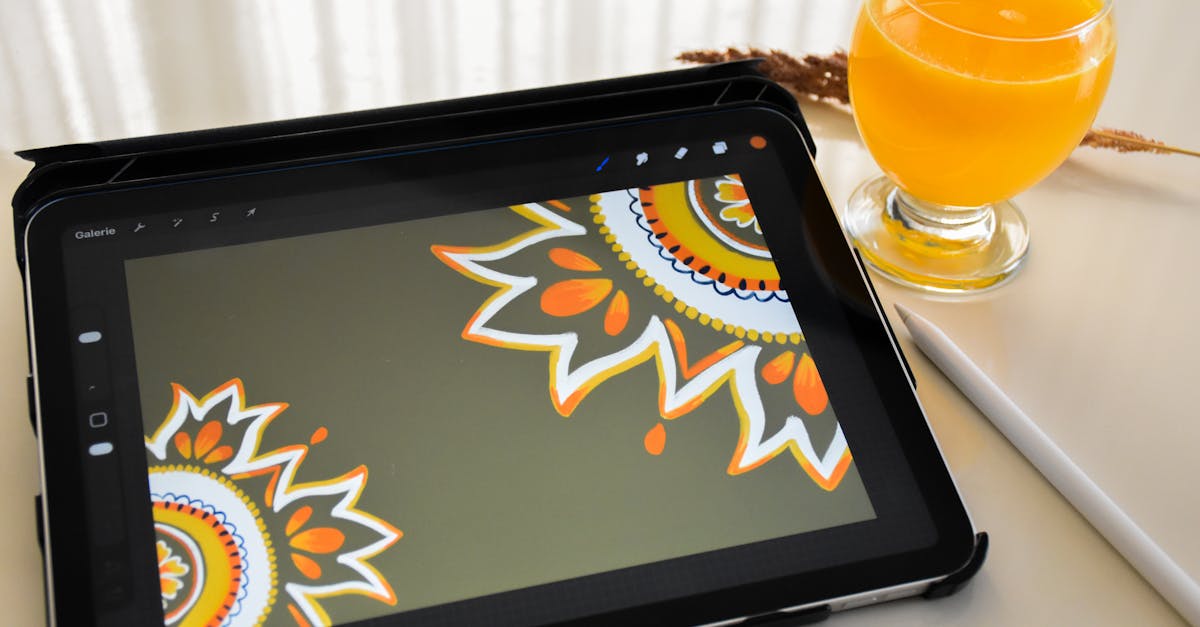
Procreate is an iPad illustration app favored by illustrators, hand letterers, and concept artists. Its natural brush engine, low latency, and intuitive interface make it feel like drawing on paper. Many [LINK: /hand-lettering/] artists use Procreate as their primary tool.
Canva
Canva is a web-based design tool aimed at non-designers and small businesses. While professional designers sometimes dismiss it, Canva serves an enormous market of people who need competent visual content without the learning curve of professional tools. Its template library, brand kit features, and collaboration tools are genuinely useful for social media managers, marketers, and small business owners.
Other Notable Tools
- Affinity Designer, Photo, and Publisher — One-time-purchase alternatives to Illustrator, Photoshop, and InDesign. Increasingly capable and popular among freelancers who want to avoid Adobe subscriptions.
- Sketch — A macOS UI design tool that dominated before Figma. Still used in some teams.
- Blender — Free, open-source 3D modeling and rendering software increasingly used by graphic designers for 3D typography, abstract visuals, and product mockups.
- Rive — An interactive animation tool for creating animations that run natively in apps and websites.
What Is Graphic Design as a Career?
Graphic design offers a range of career paths with varying levels of specialization, creative freedom, and earning potential.
Common Career Paths
In-house designer: Working within a single company’s marketing or design team. Pros include stability, deep brand knowledge, and benefits. Cons include potential creative monotony and limited variety.
Agency designer: Working at a design, branding, or advertising agency. Pros include variety of clients and projects, collaboration with other creatives, and exposure to high-profile work. Cons include long hours, tight deadlines, and potential burnout.
Freelance designer: Working independently with multiple clients. Pros include freedom, flexibility, and unlimited earning potential. Cons include inconsistent income, administrative burden, and isolation.
Specialized roles: As designers gain experience, many specialize. Art directors oversee the visual direction of projects and teams. Creative directors set the creative vision for an agency or brand. Brand strategists combine design thinking with business strategy. Design leads and design managers bridge individual contribution and team leadership.
Salary Expectations (2026 Estimates, United States)
- Junior Graphic Designer (0–2 years): $42,000–$55,000
- Mid-Level Graphic Designer (3–5 years): $55,000–$75,000
- Senior Graphic Designer (6+ years): $75,000–$100,000
- UI/UX Designer (mid-level): $80,000–$120,000
- Art Director: $85,000–$130,000
- Creative Director: $120,000–$200,000+
- Freelance: Highly variable; experienced freelancers with strong niches can earn $100,000–$250,000+
Salaries vary significantly by location, industry, and specialization. Tech companies and major metro areas tend to pay the highest rates. A strong [LINK: /graphic-design-portfolio/] is often more important than formal education for landing well-paying positions.
Education and Getting Started
Graphic design careers can begin through many routes: a four-year BFA or BDes degree, a two-year associate’s degree, a focused bootcamp, self-directed online learning, or an apprenticeship. While a degree from a respected program (RISD, Parsons, ArtCenter, SVA, CalArts, Ravensbourne) provides networking opportunities and structured learning, the field is increasingly portfolio-driven. What matters most is the quality of your work, not the credentials on your resume.
For practical advice on showcasing your work, see our complete guide to building a [LINK: /graphic-design-portfolio/].
The Future of Graphic Design
Graphic design has adapted to every technological shift over its history, and it will continue to adapt. Here are the major forces shaping the field right now.
AI as a Design Tool
Generative AI tools like Midjourney, DALL-E, Adobe Firefly, and Stable Diffusion have transformed how designers create imagery. Rather than replacing designers, these tools are becoming part of the creative process — used for ideation, mood boarding, generating texture assets, and rapid prototyping. The designers who thrive will be those who learn to direct AI effectively while maintaining the strategic thinking, brand sensitivity, and craft that AI cannot replicate.
Design Systems and Scalability
As digital products grow more complex, the ability to create and maintain design systems — libraries of reusable components, tokens, and guidelines — has become a critical skill. This is particularly true in UI/UX design, where consistency across platforms and features is essential.
Motion and Interactivity Everywhere
Static design is giving way to motion and interaction. Websites animate, logos respond to user input, social content moves, and even print design increasingly leads viewers to digital experiences. Designers who can think in motion and interaction will have a significant advantage.
Accessibility and Inclusive Design
There is growing awareness that design must be accessible to people of all abilities. Color contrast ratios, readable type sizes, clear hierarchy, alternative text for images, and consideration for color blindness are becoming baseline requirements rather than afterthoughts. Inclusive design is not just ethically important — it is good design.
Sustainability in Design
Designers are increasingly considering the environmental impact of their work: choosing sustainable printing methods and materials, optimizing digital assets for lower energy consumption, and questioning whether physical production is necessary. This mindset is becoming a differentiator in client pitches and brand positioning.
Graphic Design and Related Disciplines
Graphic design intersects with many neighboring fields. Understanding these connections helps you see where the discipline sits in the broader creative landscape.
Calligraphy and hand lettering are closely related to typography and graphic design. Calligraphy is the art of beautiful writing with specific tools and traditions, while hand lettering is the art of drawing letters. Both feed into logo design, branding, editorial design, and packaging. Learn more in our guides to [LINK: /what-is-calligraphy/] and [LINK: /hand-lettering/].
Illustration overlaps with graphic design but is its own discipline. Illustrators create original imagery; graphic designers arrange and combine visual elements (which may include illustration) to communicate messages. Many professionals work across both fields.
Photography provides the imagery that graphic designers frequently work with. Understanding photographic composition, lighting, and editing helps designers commission and select images more effectively.
Web development intersects with UI design. Designers who understand HTML, CSS, and basic JavaScript can create more technically feasible designs and communicate more effectively with engineering teams.
Getting Started with Graphic Design
If this guide has sparked your interest and you want to start learning graphic design, here is a practical path forward:
- Study the principles. Before touching any software, internalize the core principles described above. Analyze the designed objects around you — why does this poster work? Why does that website feel confusing? Develop your critical eye.
- Pick one tool and learn it deeply. If you are interested in UI/UX, start with Figma. If you are drawn to branding and illustration, start with Adobe Illustrator. If editorial design excites you, learn InDesign. Avoid the trap of trying to learn everything simultaneously.
- Study great work. Look at award-winning design on sites like Awwwards, the Type Directors Club, the D&AD Awards, Communication Arts, and Behance. Curate examples that inspire you and analyze what makes them effective. Our [LINK: /graphic-design-examples/] roundup is a great starting point.
- Create projects. The only way to improve is by doing. Redesign an existing brand. Create posters for fictional events. Design an app concept. Set constraints for yourself — a design using only two colors, or only type, or only geometric shapes.
- Get feedback. Share your work with other designers. Join communities on Reddit (r/graphic_design), Discord servers, or local design meetups. Constructive critique is the fastest path to improvement.
- Build your portfolio. As you create work you are proud of, document your process and results in a portfolio. Our guide on building a [LINK: /graphic-design-portfolio/] walks you through every step.
Frequently Asked Questions
What is graphic design in simple terms?
Graphic design is the practice of combining text, images, colors, and layout to communicate a message visually. It is used in everything from logos and websites to posters and packaging. The goal is always to solve a communication problem — making information clear, engaging, or persuasive for a specific audience.
What are the main types of graphic design?
The main types of graphic design include brand identity and logo design, editorial and publication design, user interface (UI) and user experience (UX) design, motion graphics and animation, packaging design, environmental and wayfinding design, advertising and marketing design, and typography and type design. Most professional designers specialize in one or two of these areas.
Do I need a degree to become a graphic designer?
No, a degree is not strictly required. Graphic design is a portfolio-driven field, meaning employers and clients care more about the quality of your work than your formal credentials. That said, a degree program provides structured learning, mentorship, peer critique, and networking opportunities that can accelerate your development. Many successful designers are self-taught, bootcamp graduates, or career changers who built their skills through online courses and personal projects.
What software do graphic designers use?
The most common tools include Adobe Photoshop (photo editing), Adobe Illustrator (vector graphics), Adobe InDesign (page layout), Figma (UI/UX design), and Adobe After Effects (motion graphics). Canva is popular for quick marketing content, while Procreate is favored for digital illustration on iPad. The right tool depends on your specialization — a packaging designer’s toolkit looks different from a UI designer’s.
Is graphic design a good career in 2026?
Yes, graphic design remains a strong career choice, particularly for designers who adapt to new technologies and specialize strategically. While AI tools are changing some aspects of the workflow, the demand for designers who can think strategically, understand brand systems, and solve complex communication problems continues to grow. UI/UX design, brand identity, and motion design are currently among the highest-demand specializations. Salaries range from $42,000 for entry-level positions to over $200,000 for creative directors at major companies.