Logo vs Brand: What’s the Difference?
The terms logo and brand are often used interchangeably, but they represent fundamentally different things. A logo is a visual symbol. A brand is an entire universe of perception, experience, and meaning. Understanding the difference between logo and brand is one of the most important distinctions in business and design, yet it remains one of the most commonly misunderstood. When someone says “I need a brand” but really means “I need a logo,” or when a company believes that redesigning their logo will fix deeper identity problems, the confusion becomes costly.
This guide breaks down the logo vs brand debate in full. You will learn exactly what each term means, where they overlap, and why treating them as the same thing can hold your business back. Whether you are a designer explaining this distinction to clients or a business owner making strategic decisions, clarity on this topic changes everything.
What Is a Logo?
A logo is a graphic mark, symbol, or stylized text that identifies a business, product, or organization. It is a visual shorthand — a single design element meant to be recognized quickly and remembered easily. Think of the Nike swoosh, the Apple silhouette, or the golden arches of McDonald’s. Each of these is a logo: a distinct, repeatable visual mark.
Logos come in several forms. Wordmarks use stylized typography to spell out a company name. Lettermarks abbreviate names into initials. Pictorial marks use a recognizable image or icon. Abstract marks use geometric forms to create a unique symbol. Combination marks merge text and imagery. Each type serves different strategic purposes depending on a company’s name recognition, industry, and communication goals. You can explore these categories in depth in our guide to types of logos.
A well-designed logo follows established logo design principles: simplicity, memorability, versatility, relevance, and timelessness. It needs to work at small sizes on a business card and at large scales on a billboard. It needs to be effective in color and in black and white. But no matter how expertly crafted a logo is, it remains one component of something much larger.
What a Logo Does
A logo serves as a visual anchor. It gives people something to recognize and associate with a company. It appears on products, websites, signage, documents, packaging, and advertisements. Over time, repeated exposure links the logo to a set of feelings, experiences, and expectations in the viewer’s mind. But those associations do not come from the logo itself — they come from the brand.
What Is a Brand?
A brand is the total perception that people hold about a company, product, or organization. It encompasses every interaction, impression, and association — from the way customer service answers the phone to the emotions evoked by an advertisement. A brand lives in the minds of customers and audiences. It is not something you design in a single sitting; it is something you build over time through consistent action and communication.
The concept of branding extends far beyond visual design. A brand includes the company’s mission and values, its voice and tone of communication, the quality of its products or services, the customer experience at every touchpoint, and the reputation that develops in the market. When people say they “trust” a brand or “love” a brand, they are not talking about a logo. They are talking about the cumulative effect of every experience they have had with that company.
The Elements of a Brand
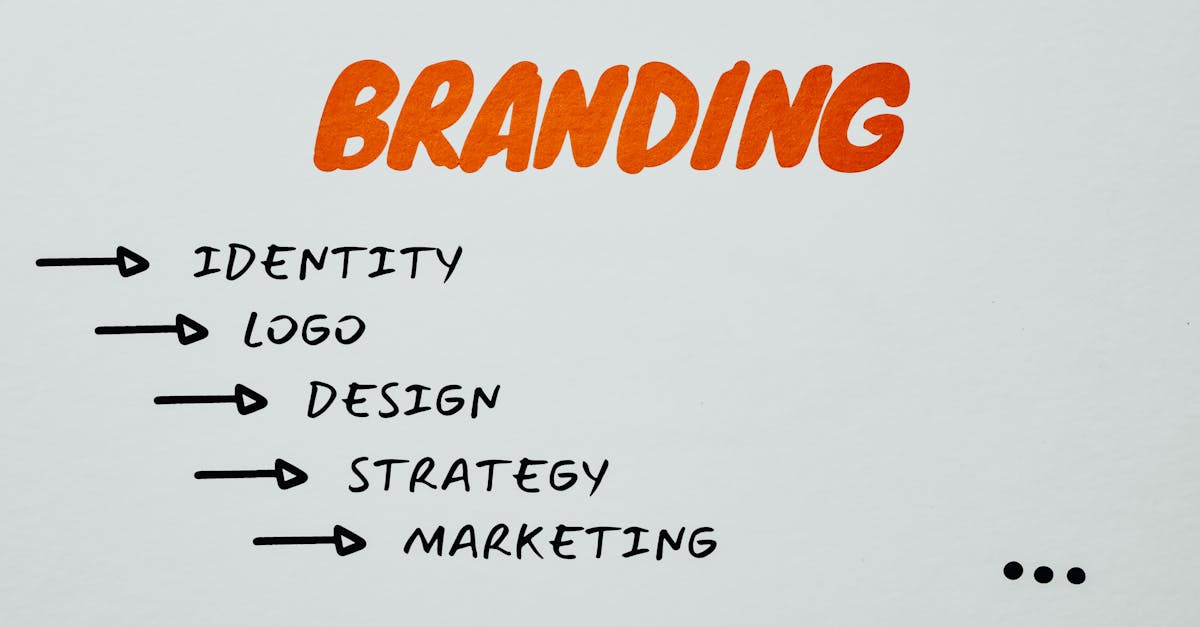
A complete brand is built from multiple interconnected layers. Brand identity refers to the tangible, designed elements: the logo, color palette, typography, imagery style, and visual language. Brand strategy defines the positioning, target audience, competitive differentiation, and long-term direction. Brand voice governs how the company communicates — its personality expressed through words. Brand experience covers how customers feel when they interact with the company at any stage.
Together, these layers form a cohesive system. The visual identity makes the brand recognizable. The strategy makes it purposeful. The voice makes it relatable. The experience makes it memorable. Remove any one layer and the brand weakens. Codifying all of this into a formal reference is the purpose of brand guidelines, which ensure consistency as the brand scales across teams, markets, and media.
Key Differences Between a Logo and a Brand
The distinction between logo vs branding becomes clear when you examine them side by side. A logo is a single visual element; a brand is an entire system of meaning. A logo is designed; a brand is built over time. A logo is what people see; a brand is what people feel and believe.
A logo can be created in weeks. A brand takes years to establish and a lifetime to maintain. A logo is controlled entirely by the designer and the company. A brand is shaped partly by the company and partly by how the audience perceives and interprets every interaction. A logo is consistent by design — it should look the same everywhere. A brand is consistent by discipline — every touchpoint must reinforce the same values and promises, even when the specific execution varies.
Perhaps the most important distinction: a logo can be replaced. Companies rebrand and adopt new logos regularly. But the brand itself — the accumulated trust, recognition, and emotional connection — persists through visual changes. When a company with a strong brand updates its logo, customers may notice, but they do not suddenly forget everything they know and feel about the company. The brand carries forward.
Why a Logo Is Not a Brand
The misconception that a logo equals a brand is widespread, and it causes real problems. Small businesses often invest heavily in logo design while neglecting brand strategy, voice, and customer experience. They believe that a polished visual mark will automatically create trust, authority, and loyalty. It will not.
Consider two coffee shops with equally attractive logos. One delivers a consistently excellent experience: friendly staff, quality coffee, clean space, coherent aesthetic, engaging social media presence, and community involvement. The other has inconsistent service, a confusing menu, mismatched decor, and sporadic communication. Both have logos. Only one has a brand. The logo of the first coffee shop becomes associated with positive feelings because the brand behind it delivers. The logo of the second coffee shop, no matter how well designed, cannot overcome the brand’s shortcomings.
This is why brand vs logo is not merely an academic distinction. It has direct business implications. Investing in a logo without investing in the brand is like designing a beautiful front door for a house that has no rooms inside. The door may attract attention, but it cannot deliver an experience.
The Logo-as-Brand Trap
Designers encounter this trap constantly. A client requests a “rebrand” but actually wants a new logo. When the new logo fails to transform customer perception or boost revenue, disappointment follows — not because the design was poor, but because the expectation was misplaced. A new logo cannot fix inconsistent messaging, poor customer service, or unclear market positioning. Those are brand problems that require brand solutions.
How Logos Serve the Brand
None of this diminishes the importance of a logo. A strong logo is an essential component of brand identity. It serves as the most visible and frequently encountered element of the brand system. When designed strategically and used consistently, a logo becomes a powerful trigger for brand recall.
The relationship works like this: the brand creates meaning through every customer interaction. The logo becomes the visual symbol associated with that meaning. Over time, seeing the logo alone is enough to evoke the full set of brand associations. This is why iconic logos feel so powerful — they carry decades of accumulated brand equity. The Nike swoosh does not inspire people because it is a clever shape. It inspires people because it has been consistently linked to athletic excellence, determination, and empowerment through decades of branding.
Designing a Logo That Supports the Brand
For a logo to serve the brand effectively, it should be designed with the brand strategy already in place. The target audience, brand values, competitive landscape, and desired perception should all inform logo design decisions. Color choices should align with color psychology and the emotional tone of the brand. Typography should reflect the brand’s personality. The overall style should feel appropriate for the industry and audience.
This is why professional branding projects start with strategy and research, not with sketching logos. The logo comes after the brand foundation has been established. It is an expression of the brand, not the starting point.
Building a Brand Beyond the Logo
If you are building a business or managing a brand, the path forward requires attention to both the logo and everything around it. Start by defining your brand strategy: who you serve, what you stand for, how you are different, and what experience you promise. Develop a brand voice that communicates your personality consistently. Create a visual identity system — not just a logo, but a complete design language including colors, typography, imagery, and layout principles.
Then invest in the customer experience. Every email, every social media post, every product interaction, every customer service call is an opportunity to reinforce or undermine your brand. The logo appears on all of these, but the brand is defined by the quality and consistency of the experience itself.
Understanding visual hierarchy and graphic design principles helps ensure that every visual touchpoint supports the brand effectively. But visuals alone are never enough. The brand is the whole picture.
Frequently Asked Questions
Can a business have a strong brand without a logo?
Theoretically, yes — a business could build a strong reputation and consistent experience without a formal logo. In practice, however, a logo is essential for recognition and professional credibility. The point is that a logo alone does not create a strong brand. The brand must be built through consistent values, communication, and experience. The logo then becomes the visual shorthand for everything the brand represents.
How much should I invest in a logo versus overall branding?
Logo design should be part of a larger branding investment, not the entire budget. A common recommendation is to treat the logo as one element within a comprehensive brand identity project that includes strategy, visual system, voice guidelines, and application design. Spending heavily on a logo while neglecting the broader brand foundation is an imbalanced approach that rarely delivers lasting results.
When should a company redesign its logo versus rebrand entirely?
A logo redesign is appropriate when the existing brand is strong but the logo feels outdated, does not scale well for digital applications, or needs modernization. A full rebrand is necessary when the company’s values, audience, positioning, or market have fundamentally changed. If customer perception is the problem, a new logo alone will not fix it — the underlying brand needs to evolve.
Is a brand just a feeling, or is it something tangible?
A brand includes both tangible and intangible elements. The tangible parts — logo, color palette, typography, packaging, website design — form the brand identity. The intangible parts — customer perception, emotional associations, trust, reputation — form the brand image. Together, they constitute the complete brand. Managing both the tangible identity and the intangible perception is what branding is all about.