Emboss vs Deboss: Print Finishing Explained
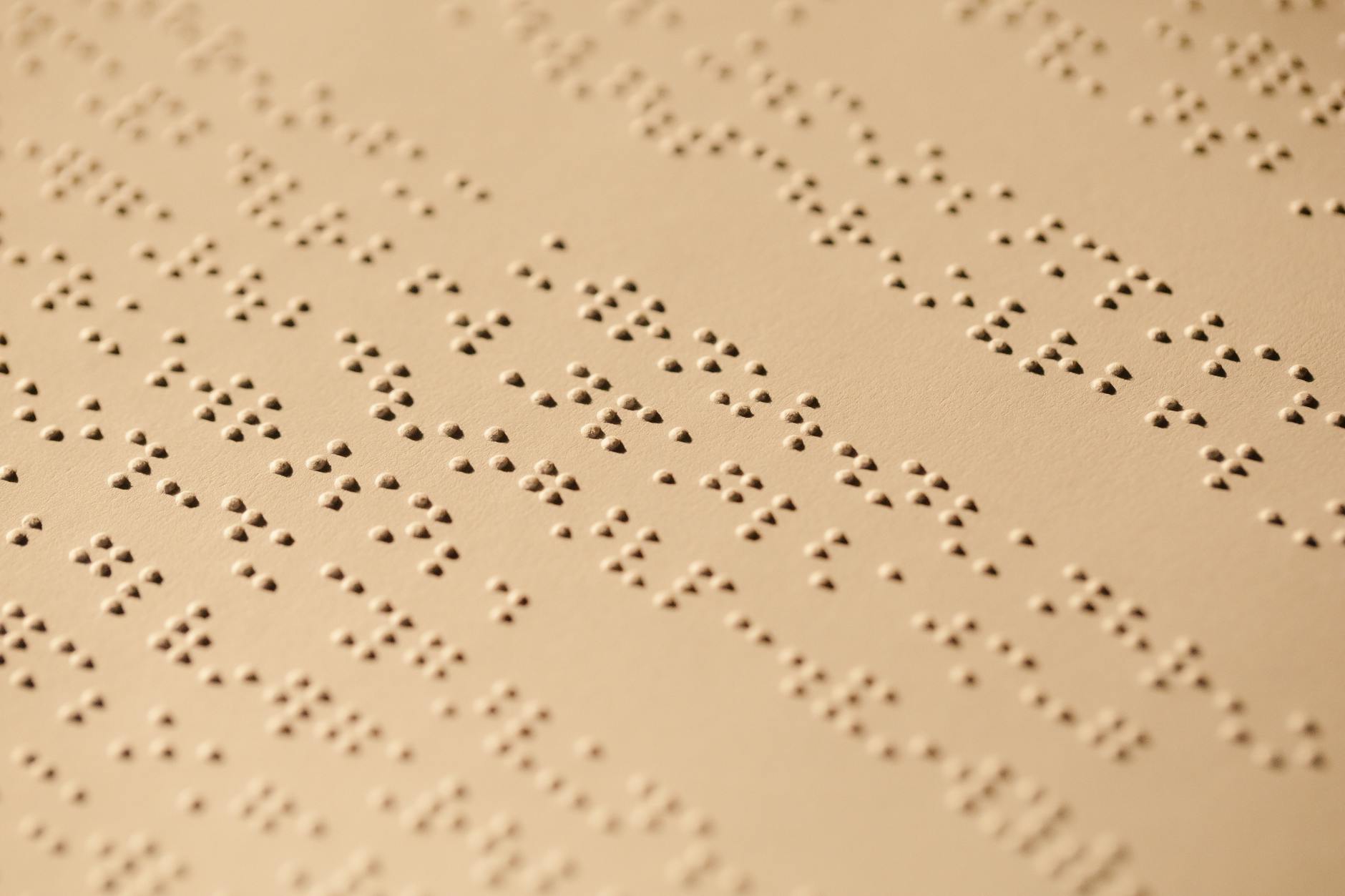
When you want a print piece that people remember, texture makes all the difference. Embossing and debossing are print finishing techniques that add a tactile, three-dimensional quality to paper, card stock, and other materials. Embossing creates a raised impression that lifts a design element above the surface. Debossing presses a design element down into the surface. Both techniques transform flat printed materials into something people want to touch and hold, which is why they remain essential tools for premium brand identity work, packaging, and stationery.
What Is Embossing?
Embossing is a finishing process that raises a design, text, or pattern above the surface of a material. The result is a three-dimensional element that protrudes upward, creating visible shadows and highlights that catch the eye.
How Embossing Works
The process uses two custom metal dies: a raised die (male) and a recessed die (female). The paper or card stock is placed between the two dies, and pressure is applied. The raised die pushes the material upward into the recessed die, permanently forming the raised impression. Heat may be applied depending on the material and the level of detail required.
When to Use Embossing
- Business cards: An embossed logo or name instantly communicates quality and attention to detail
- Book covers: Title text and cover art embossed on hardcovers add shelf appeal and a premium feel
- Wedding invitations and stationery: Embossing gives formal correspondence an elegant, tactile dimension
- Packaging: Product boxes with embossed branding feel more luxurious and justify higher price points
- Certificates and diplomas: Official documents use embossed seals to convey authenticity and importance
Embossing is most effective when you want a design element to stand out prominently. The raised surface catches light differently than the flat areas around it, creating natural contrast that draws attention even without ink or foil.
What Is Debossing?
Debossing is the reverse of embossing. Instead of raising a design above the surface, debossing presses it down into the material, creating an indented impression. The effect is subtle and sophisticated, giving printed pieces a clean, understated elegance.
How Debossing Works
Debossing uses a similar die setup as embossing, but the pressure is applied to push the material downward rather than upward. A single die is pressed into the top surface of the paper, forcing the material into a recessed bed below. The result is a depression that you can feel when running your fingers across the surface.
When to Use Debossing
- Leather goods: Debossing works beautifully on leather notebooks, portfolios, and wallets, creating a permanent mark
- Minimalist branding: Brands aiming for understated luxury often prefer debossing because it is subtle rather than showy
- Business cards: A debossed logo on thick card stock creates an impression of quality without visual loudness
- Packaging: High-end product packaging uses debossing for brand marks and decorative patterns
- Folders and presentation materials: Corporate folders with debossed logos project professionalism
Debossing tends to feel more modern and restrained than embossing. Where embossing says “look at this,” debossing says “touch this.” It rewards close inspection and physical interaction, making it a favorite for brands that value subtlety.
Key Differences Between Embossing and Debossing
The emboss vs deboss difference is straightforward in principle but has meaningful implications for design and production.
- Direction: Embossing raises the design upward. Debossing presses the design downward.
- Visual impact: Embossing is more visually prominent because raised elements catch light and create shadows. Debossing is more subtle and reveals itself primarily through touch.
- Feel: Both add a tactile dimension. Embossed surfaces feel like bumps when you run your fingers over them. Debossed surfaces feel like indentations.
- Back of the material: Embossing creates an indentation on the back side of the paper. Debossing creates a raised area on the back. This matters for two-sided print pieces.
- Material requirements: Both techniques work best on thick, soft paper stocks that hold an impression well. Thin papers may tear or not hold the shape.
- Cost: Both techniques are similarly priced because they use comparable tooling and processes. The main cost factor is the die itself, which is custom-made for each design.
Types of Embossing and Debossing
Both techniques come in several variations, each with a distinct look and feel.
Blind Emboss and Blind Deboss
A blind emboss or deboss uses no ink or foil. The impression relies entirely on the play of light and shadow on the paper surface for its visual effect. Blind techniques produce the most subtle, elegant results and are popular in luxury and minimalist design. They work best on uncoated, textured paper stocks where the impression is most visible.
Foil Emboss and Foil Deboss
Foil embossing combines the raised impression with a metallic or pigmented foil stamp. The foil is applied during the embossing process, creating a design that is both raised and finished with a reflective or colored surface. Gold and silver foil embossing are classic choices for premium stationery, awards, and packaging. Foil debossing fills the indentation with foil, creating a striking contrast between the recessed metallic design and the surrounding matte surface.
Registered Emboss and Deboss
A registered emboss or deboss aligns precisely with a printed image or text on the surface. The embossed area matches the printed design exactly, adding a tactile dimension to an already visible graphic. This requires extremely precise alignment between the print and die stages.
Multi-Level Emboss
Multi-level embossing uses a die with varying depths to create an impression with multiple layers of relief, almost like a miniature sculpture. This technique produces the most dramatic tactile effects and is used for detailed illustrations, portraits, or complex logos. It is more expensive due to the precision required in die manufacturing.
Textured Emboss
Textured embossing imprints a pattern across a larger area of the surface rather than raising a specific shape. Common textures include linen, leather grain, pebble, and wood grain. This technique adds an overall tactile quality to a piece without requiring a specific design element.
Design Considerations
Getting the best results from embossing or debossing requires planning at the design stage rather than treating it as an afterthought.
Paper Stock
Thicker, softer papers hold impressions better. A minimum weight of 300 gsm (or around 100 lb cover weight) is recommended for clear embossing or debossing. Cotton and uncoated stocks tend to produce crisper impressions than coated papers, though coated stock can work for less detailed designs.
Design Complexity
Both techniques work best with bold, simple designs. Fine lines, tiny text, and intricate details can be lost in the embossing or debossing process. If your design includes small text, keep it above 8-point size and use a sans-serif typeface for clarity. Large, clean shapes produce the strongest impressions.
Combining with Other Finishes
Embossing and debossing pair well with other print finishes. Combining a blind deboss with spot UV coating creates an eye-catching contrast between matte and glossy textures. Foil stamping with embossing doubles the impact. Just be mindful that each additional finish adds cost and production time, so use combinations purposefully in line with your brand guidelines.
File Preparation
Embossing and debossing dies are typically created from vector artwork. Supply your printer with a clean vector file (usually in AI or EPS format) of the elements to be embossed or debossed. Mark these elements clearly on a separate layer or in a separate file to avoid confusion with the print layers.
When to Choose Embossing vs Debossing
The choice between embossing and debossing ultimately depends on the impression you want to make, both literally and figuratively.
- Choose embossing when you want maximum visual impact, when the design needs to be noticeable at a glance, or when combining with foil for a bold, luxurious finish
- Choose debossing when you want understated elegance, when the piece will be handled and touched frequently, or when your brand aesthetic leans toward minimalism and restraint
- Choose blind techniques for the most sophisticated, subtle effect, especially on premium uncoated stocks
- Choose foil techniques when you need both tactile and visual contrast, particularly for logos and key brand elements
Neither technique is inherently better than the other. They are different tools for different design goals. The best print pieces often use embossing and debossing together, with the logo embossed for prominence and a background pattern debossed for texture.
Frequently Asked Questions
How much does embossing or debossing cost?
The primary cost is the custom metal die, which typically ranges from $150 to $500 depending on size and complexity. After the die is made, the per-piece cost is modest, usually a few cents per impression. Multi-level dies and very large designs cost more. Once you have the die, you can reuse it for future print runs, so the investment pays off over time.
Can you emboss or deboss any material?
Embossing and debossing work on a range of materials including paper, card stock, leather, fabric, and some plastics. The material needs to be soft enough to accept and hold an impression. Very thin papers may tear, and very rigid materials may not deform cleanly. Consult your printer about the best material options for your specific design.
What is the difference between embossing and letterpress?
Letterpress printing presses inked type or imagery into paper, creating a slight debossed impression as a byproduct of the inking process. The primary purpose is to transfer ink, with the impression being a secondary tactile effect. Debossing, by contrast, is specifically about creating a pressed impression and may or may not involve ink or foil. The two techniques can complement each other beautifully in premium print work.
Can embossing or debossing be done on both sides of the paper?
It is possible but requires careful planning. Embossing one side creates an indentation on the opposite side, and vice versa for debossing. If both sides of the piece will be visible, like a folded card or two-sided business card, the designer needs to account for how the impression on one side affects the appearance of the other. Discuss two-sided embossing with your printer early in the design process to avoid surprises.