Sage vs Olive Green: What’s the Difference?
Both sage and olive green are muted, earthy greens that show up constantly in interior design, fashion, and branding. But despite their surface similarity, sage vs olive green actually differ quite a bit in undertone, warmth, and mood. Sage is a cool, gray-toned green that feels calm and airy, while olive is a darker, warmer yellow-green that feels grounded and rugged. Understanding the distinction helps you choose the right one for your next project.
Let’s explore what makes each color unique, compare their hex codes and visual properties, and look at when to reach for one over the other.
Sage: The Cool Gray-Green
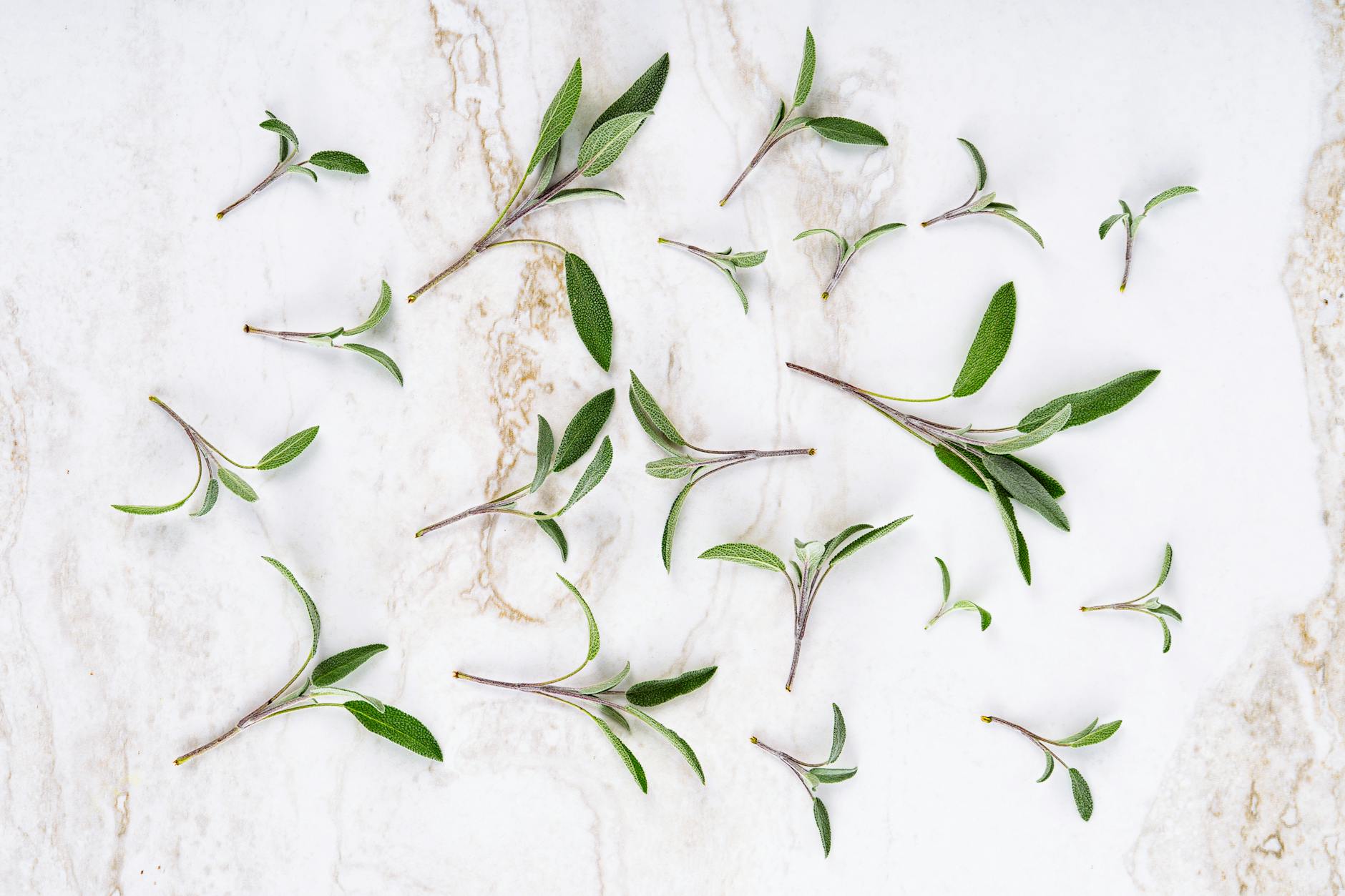
Sage green takes its name from the herb, and it captures that same dusty, silvery-green quality. The standard sage hex code is approximately #BCB88A, though variations range from a lighter, almost gray-green (#B2AC88) to a slightly more saturated version (#87AE73).
What defines sage is its gray undertone. It’s a muted, desaturated green that leans cool rather than warm. This gives sage a sophisticated, understated quality that has made it enormously popular in modern interior design, wellness branding, and minimalist aesthetics.
Characteristics of Sage Green
- Undertone: Cool gray, sometimes with a slight blue or silver cast.
- Lightness: Medium to light. Sage rarely appears very dark.
- Saturation: Low. Sage is deliberately muted and soft.
- Mood: Calming, serene, spa-like, organic, sophisticated.
- Color family: True green with gray, part of the green color palette spectrum.
Sage pairs beautifully with cream, white, blush pink, and other soft neutrals. It’s a go-to choice for Scandinavian-inspired interiors, organic product packaging, and brands that want to communicate wellness or sustainability without being too bold.
Olive: The Warm Yellow-Green
Olive green is named after the unripe olive fruit and has a distinctly different character from sage. The standard olive hex code is approximately #808000, though design applications often use variations like dark olive (#556B2F) or olive drab (#6B8E23).
The defining feature of olive is its yellow undertone. This warmth pushes olive toward the earthy, autumnal end of the green spectrum. It’s a color associated with military uniforms, natural landscapes, and vintage aesthetics.
Characteristics of Olive Green
- Undertone: Warm yellow, sometimes with brown undertones in darker shades.
- Lightness: Medium to dark. Olive tends to be noticeably deeper than sage.
- Saturation: Low to moderate. Still muted, but with more chromatic presence than sage.
- Mood: Earthy, rugged, warm, vintage, natural, grounded.
- Color family: Yellow-green, sitting between green and brown on the earth tone palette.
Olive pairs well with rust, terracotta, mustard yellow, cream, and other warm earth tones. It’s widely used in outdoor and adventure branding, military-inspired fashion, and bohemian interior design.
Key Differences Between Sage and Olive Green
Here is a direct comparison of the most important differences between sage green vs olive green:
- Undertone: Sage leans cool (gray). Olive leans warm (yellow).
- Lightness: Sage is typically lighter. Olive is typically darker.
- Warmth: Sage is a cool color. Olive is a warm color.
- Visual weight: Sage feels lighter and more open. Olive feels heavier and more grounding.
- Seasonal association: Sage is versatile year-round but especially spring and summer. Olive skews autumn and winter.
- Pairing tendency: Sage pairs with cool neutrals and pastels. Olive pairs with warm earth tones.
The quickest way to tell them apart is the undertone. If you see gray beneath the green, it’s sage. If you see yellow beneath the green, it’s olive.
Hex Codes and Design Use
For digital design work, here are common hex codes for each color and their closest variations:
Sage green variations:
- Classic sage: #BCB88A
- Light sage: #D1CDB7
- True sage: #87AE73
- Silver sage: #C4C4A0
Olive green variations:
- Standard olive: #808000
- Dark olive: #556B2F
- Olive drab: #6B8E23
- Light olive: #B5B35C
In CSS and brand guidelines, specifying the exact hex code matters because “sage” and “olive” are interpreted very differently depending on the designer. Always provide a precise value rather than relying on the color name alone.
When to Use Each
Choose Sage When You Want
- A calm, spa-like atmosphere in interior or web design.
- A sophisticated, muted green that doesn’t overpower other elements.
- Pairing with cool tones like white, light gray, blush, or soft blue.
- A modern, minimalist aesthetic with organic undertones.
- Wellness, skincare, or sustainability branding.
Choose Olive When You Want
- Warmth and earthiness in your palette.
- A grounded, rugged, or vintage mood.
- Pairing with other warm tones like terracotta, mustard, or brown.
- An autumn or nature-inspired color scheme.
- Outdoor, adventure, or heritage branding.
Both colors work exceptionally well in neutral palettes where you want a hint of color without overwhelming vibrancy. Sage brings a cool softness while olive brings a warm depth.
FAQ
Is sage green warmer or cooler than olive?
Sage green is cooler than olive. Sage has gray undertones that place it on the cool side of the green spectrum, while olive has yellow undertones that make it a warm green. This temperature difference is the single most important distinction between the two colors.
Can sage and olive green be used together?
Yes, but carefully. Because sage is cool and olive is warm, they create a subtle tension when paired directly. The combination works best when you use one as the dominant color and the other as a small accent, bridged by a true neutral like cream or taupe. Adding warm wood tones can help unify the two greens in interior design.
Which green is better for a calming interior?
Sage green is the better choice for a calming, serene interior. Its gray undertones create a quiet, restful atmosphere similar to spa environments. Olive green, while pleasant, introduces warmth and earthiness that feel more cozy and grounding than truly calming. For a color psychology perspective, sage aligns more closely with tranquility.
What colors pair best with sage vs olive green?
Sage pairs beautifully with white, cream, blush pink, soft lavender, and light gray. Olive pairs best with warm neutrals like tan, terracotta, rust, mustard, and chocolate brown. Both look excellent with natural materials like wood and linen, though sage favors lighter woods and olive favors darker, richer tones.


