Letterpress vs Digital Printing: What’s the Difference?
In a world dominated by digital output, letterpress printing has not just survived — it has experienced a renaissance. But the two methods could hardly be more different. Letterpress vs digital printing represents one of the clearest contrasts in the print world: artisanal craftsmanship versus modern efficiency, tactile luxury versus practical versatility.
Choosing between them comes down to understanding what each offers and what your project demands. This guide covers how both processes work, how they compare, and when each is the right choice.
What Is Letterpress Printing?
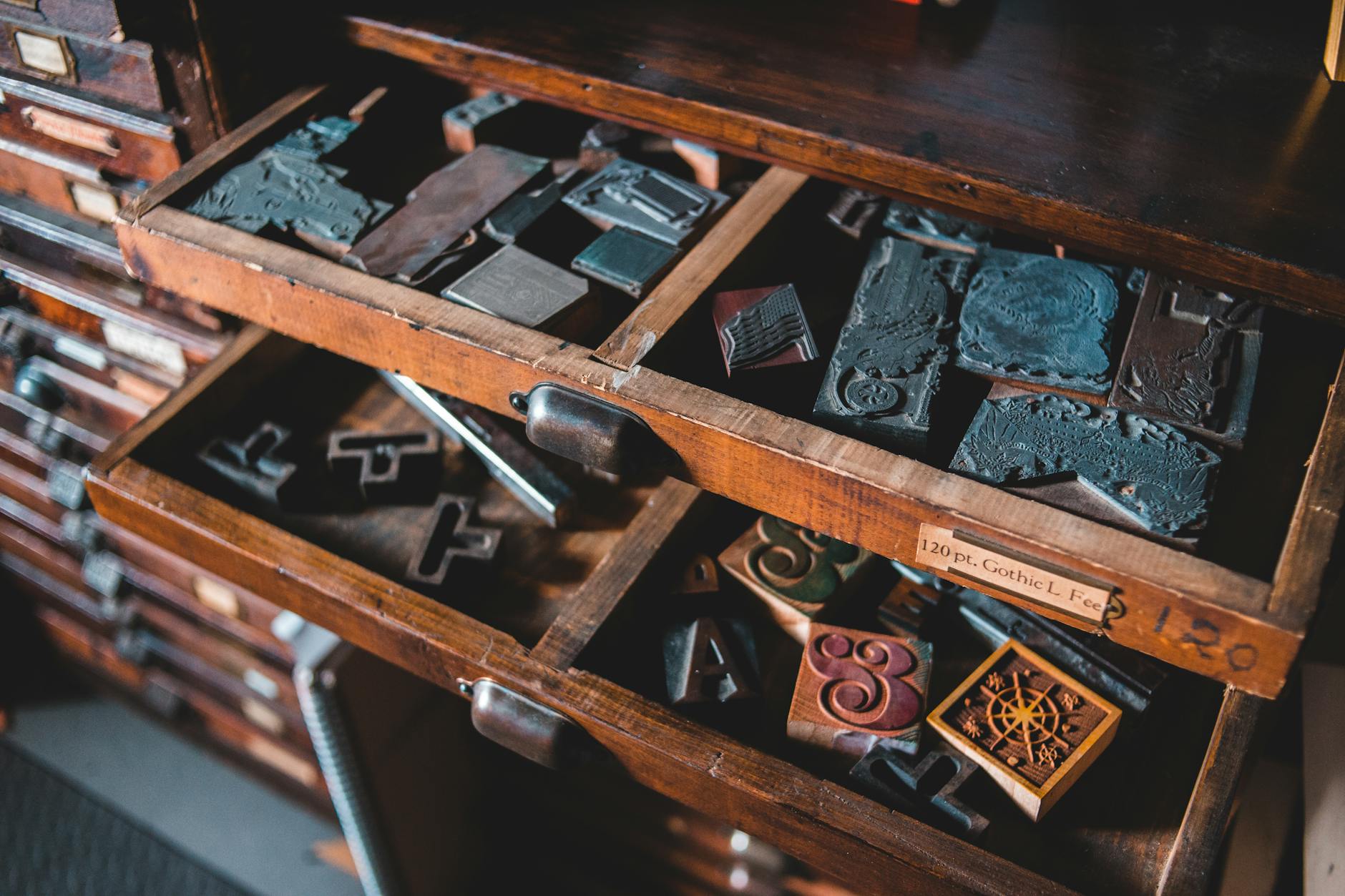
Letterpress printing is a traditional relief printing method where raised surfaces — metal type, engraved plates, or photopolymer plates — are inked and pressed directly into paper. It is the oldest form of mechanical printing, invented by Johannes Gutenberg in the 15th century, and it remained the dominant printing method for nearly 500 years.
The process creates a distinctive tactile impression — a physical debossing of the design into the paper’s surface. This impression, called a “bite,” is the hallmark of letterpress and the primary reason the technique has found new life as a premium printing method.
How Letterpress Works
Modern letterpress printing typically uses photopolymer plates — light-sensitive plastic plates that are exposed with your design and mounted on the press. The plate is inked, and heavy-stock paper is fed through the press, where the raised plate surface transfers ink while simultaneously pressing the design into the paper.
Each ink color requires a separate plate and a separate pass through the press, which is why letterpress projects with multiple colors become significantly more expensive. The technique works best with solid colors, line art, and typography rather than photographic images or complex gradients.
Characteristics of Letterpress
- Tactile impression — the distinctive physical debossing that you can see and feel
- Rich ink coverage — the pressing action creates dense, saturated color with a slightly textured quality
- Heavy paper stock — letterpress works best on thick, soft papers (often 100% cotton) that accept the impression
- Limited color per run — each color requires a separate pass, making multi-color printing time-consuming and costly
- Artisanal quality — slight variations between prints give each piece a handcrafted character, similar to the effect achieved in embossing and debossing
- Setup-intensive — significant preparation time for plate making, ink mixing, press setup, and registration
What Is Digital Printing?
Digital printing refers to methods that transfer a digital file directly to a substrate (paper, card, vinyl, fabric, etc.) without the need for physical plates, screens, or other intermediary print forms. The two most common digital printing technologies are laser printing (using toner) and inkjet printing (using liquid ink).
Digital printing revolutionized the industry by eliminating the setup costs and time associated with traditional methods. You can send a file to a digital press and have printed output within minutes, making it the standard for everything from business documents to marketing materials.
How Digital Printing Works
In laser digital printing, the file is processed by a raster image processor, which converts it into a pattern of tiny dots. An electrostatically charged drum transfers toner (fine powder) onto the paper in this pattern, and heat fuses the toner to the surface. Inkjet printing works similarly but deposits tiny droplets of liquid ink directly onto the substrate.
Modern production-grade digital presses produce output that rivals offset printing in quality, with full-color capability, consistent results, and the ability to handle photographs, gradients, and complex designs. For a comparison with another major commercial printing method, see our guide on offset vs digital printing.
Characteristics of Digital Printing
- No physical impression — ink or toner sits on the paper surface rather than being pressed into it
- Full-color capability — CMYK process color reproduced in a single pass, with no additional cost for more colors
- Variable data — each print can be different (personalized names, unique codes, sequential numbering) without slowing production
- Quick turnaround — minimal setup means files can go from screen to paper in minutes
- Cost-effective for short runs — no plate-making costs make small quantities economical
- Consistent output — every print is identical, with minimal variation between the first and last copy
- Wide substrate range — can print on various paper weights, finishes, and specialty substrates
Key Differences Between Letterpress and Digital Printing
Tactile Quality
This is the most obvious and significant difference. Letterpress creates a physical impression in the paper that you can feel with your fingertips. Digital printing produces a flat result — ink sits on the surface without altering the paper’s texture. If tactile experience matters to your project, letterpress is the only option that delivers it inherently.
Cost Structure
Letterpress has high setup costs (plate making, press preparation, ink mixing) and high per-unit costs (especially for multi-color jobs). Digital printing has virtually no setup costs and low per-unit costs. For small quantities of premium pieces, letterpress’s per-unit cost is justified by the quality. For everyday printing needs, digital is dramatically more affordable.
Color Capability
Digital printing handles full-color, photographic images effortlessly in a single pass. Letterpress is limited to spot colors, with each color requiring a separate press run. Letterpress is not suitable for reproducing photographs or complex color blends — it excels with solid colors, typography, and line art.
Turnaround Time
Digital printing can produce finished pieces within hours. Letterpress typically requires days to weeks, factoring in plate production, press setup, drying time between color passes, and the inherently slower printing speed. Rush letterpress jobs are possible but come at a significant premium.
Print Volume
Digital is efficient at any volume, from one copy to thousands. Letterpress is most practical for small to medium runs — typically 100 to 1,000 pieces. Very large letterpress runs are possible but become increasingly impractical compared to offset or digital alternatives.
Paper Requirements
Letterpress requires thick, soft paper stock to achieve a proper impression. Cotton papers (such as Crane Lettra or similar) are the standard, and they are significantly more expensive than standard printing paper. Digital printing works on a wide range of paper stocks and weights, including standard and premium options. For more on paper finishes, see our matte vs glossy comparison.
When to Choose Letterpress
Letterpress is the right choice when the project demands premium quality and a tactile experience:
- Wedding invitations — the most popular application for modern letterpress, where the tactile impression signals formality and elegance
- Premium business cards — thick cotton stock with a letterpress impression instantly communicates quality and attention to detail
- Art prints and limited editions — the handcrafted quality of letterpress gives art prints collectible value
- Luxury brand collateral — brands in fashion, hospitality, fine dining, and other luxury sectors use letterpress to reinforce their premium positioning
- Special occasion stationery — birth announcements, thank-you cards, and ceremonial programs
- Branding for artisanal businesses — craft breweries, boutique shops, and artisan brands whose identity aligns with handcrafted quality
When to Choose Digital
Digital printing is the right choice for practically everything else — and it is the workhorse of modern print production:
- Business documents and collateral — brochures, flyers, presentations, and reports where speed and cost efficiency matter
- Marketing materials — postcards, mailers, posters, and promotional items that need quick turnaround and full-color capability
- Prototyping and proofing — testing designs before committing to larger production runs
- Variable data projects — personalized direct mail, event badges, unique packaging, or anything requiring different content on each piece
- Short-run packaging — small-batch product packaging where traditional plate-based methods are too expensive
- On-demand printing — books, materials, and products printed as needed rather than in bulk
- Photo-heavy designs — any project featuring photographs, complex illustrations, or detailed color work
Frequently Asked Questions
Is letterpress more expensive than digital printing?
Yes, significantly. A set of 100 letterpress business cards might cost $200 to $400 or more, depending on colors and paper. The same quantity digitally printed could cost $20 to $50. The price difference reflects the handcrafted process, premium materials, and specialized equipment involved in letterpress production.
Can letterpress print photographs?
Not effectively. Letterpress is designed for solid areas of color, typography, and line art. While halftone patterns can approximate photographic images, the results are stylized rather than realistic. If your project requires photographic reproduction, digital or offset printing is the appropriate method.
Why has letterpress made a comeback?
In a world saturated with digital content and mass-produced print, letterpress offers something rare: a tangible, handcrafted experience. The tactile impression, the weight of cotton paper, and the slight imperfections of the process create an emotional response that digital printing cannot replicate. Letterpress has become a marker of quality and intentionality.
Can I combine letterpress and digital printing?
Yes. Some print shops offer hybrid production — digitally printing full-color elements and then running the piece through a letterpress for specific tactile elements like a logo or border. This combines the color capability of digital with the tactile quality of letterpress, though it adds cost and complexity.
What paper works best for letterpress?
Thick, soft cotton paper is the standard for letterpress printing. Papers like Crane Lettra (available in 110lb and 220lb weights) are industry favorites because their soft fibers accept the impression beautifully. Harder papers or thin stocks do not display the impression well and can even damage the press plates.
Is letterpress environmentally friendly?
Letterpress has some environmental advantages — it uses oil-based or soy-based inks, produces minimal waste once set up, and cotton papers are often made from renewable resources. However, the cotton paper production process itself has environmental impacts. Digital printing generates less waste per job but relies on toner chemicals and more energy-intensive equipment. Neither method is definitively “greener” — both have trade-offs.