How to Learn Graphic Design: A 2026 Roadmap
If you want to know how to learn graphic design without wasting a year on the wrong things, here is the short version: master the fundamentals before the software, build real projects before you chase a perfect portfolio, and ship work publicly long before you feel ready. The long version is this roadmap, sequenced in the order that actually compounds.
This is the canonical guide for the Made Good Design Collective career cluster. Everywhere a topic deserves its own deep-dive, we link to it. Read this top to bottom, then branch off.
What “Graphic Design” Actually Means in 2026
Graphic design is visual problem-solving: arranging type, image, color, and space to communicate a specific message to a specific audience. It is not “making things pretty.” A poster that looks beautiful but buries the event date has failed; a plain one that gets people to the right place has succeeded. Hold onto that distinction, because it separates designers who get hired from people who own Photoshop.
The field splits into specialisms you will eventually pick from: brand and identity, editorial and print, UI/UX and product, packaging, and motion. You do not choose on day one. You learn the shared fundamentals first, then drift toward the work you keep wanting to do.
Learn the Fundamentals Before Any Software
Software is a tool. Design principles are the skill. People who skip this step produce work that looks “off” and can never explain why. The four pillars worth obsessing over:
- Typography — the highest-leverage skill in the entire field. Hierarchy, spacing, pairing, and readability. Most amateur work is bad because the type is bad, not because the idea is bad.
- Layout and composition — grids, alignment, balance, and the use of negative space. Learn why a grid quietly makes everything feel intentional.
- Color — contrast, harmony, accessibility, and the difference between RGB and CMYK output.
- Hierarchy — controlling the order in which the eye reads a page. This is the through-line behind the other three.
You can learn the theory free. Read, then immediately apply it to a tiny project the same day; theory you never use evaporates within a week.
The fastest way to internalize fundamentals
Recreate work you admire. Pick a poster, an album cover, or a magazine spread and rebuild it pixel for pixel. You will discover the invisible decisions, baseline grids, optical alignment, type sizing, that you cannot see by just looking. This single habit teaches more than ten hours of passive tutorials.
Pick Your Software (and Stop Agonizing Over It)
Tool choice matters far less than beginners think. Any of these will get you hired if your work is good. As of 2026, the realistic options:
| Tool | Best for | Cost |
|---|---|---|
| Figma | UI/UX, web, collaborative work, increasingly all-purpose | Free tier is generous; paid plans for teams |
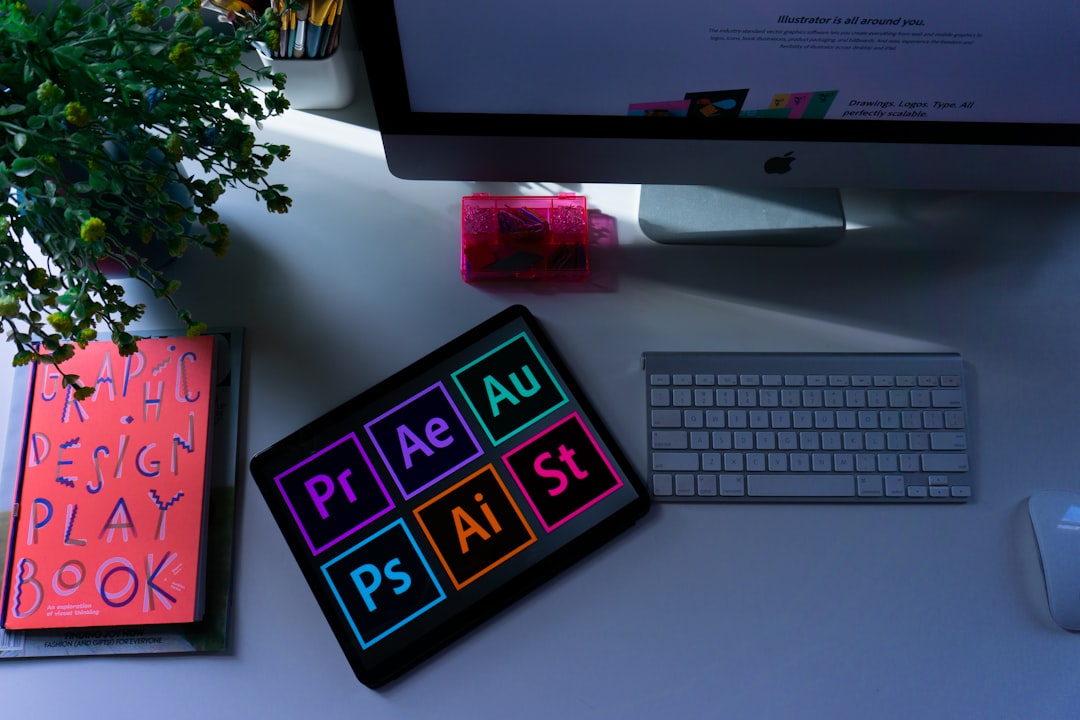
| Adobe Creative Cloud | Industry standard — Illustrator (vector), Photoshop (raster), InDesign (layout) | Subscription, ~monthly per app or full suite |
| Affinity (Designer/Photo/Publisher) | A one-time-purchase alternative to Adobe | Perpetual license — no subscription |
Our advice for 2026: learn Figma first because it is free, fast, and where a huge share of professional work now happens, then add Adobe Illustrator and InDesign as your work demands vector and print. If subscription cost is a barrier, Affinity covers the same ground for a single payment. Learn one tool deeply rather than three tools shallowly.
Should You Go to School? Degree vs Self-Taught
Both routes produce working designers in 2026. A degree gives you structure, critique, deadlines, and a network; the self-taught path gives you speed, savings, and total control over what you study. The honest tradeoffs, cost, time, and what hiring managers actually look at, are worth weighing carefully before you commit four years and serious money. We break the whole decision down in graphic design degree vs self-taught, including who each path genuinely suits.
The one thing both routes share: nobody gets hired on the credential. They get hired on the portfolio.
Choose Structured Courses to Avoid Tutorial Drift
“Tutorial drift”, endlessly watching free videos without ever building anything finished, kills more beginners than lack of talent. A structured course forces sequence and completion. The platforms worth your money differ by what you need:
- Coursera — university-backed certificates (the CalArts graphic design specialization is a well-known example) for people who want a credential and a syllabus.
- Domestika — project-based courses from working designers, strong on craft and inspiration, frequently discounted.
- Skillshare — broad, affordable, good for sampling specialisms before you commit.
- YouTube — free and excellent for specific techniques, but you must impose your own structure.
We compared the standout options, who they suit, and what they cost, in the best graphic design courses for 2026. Pick one, finish it, then move on. Finishing beats collecting.
Build Projects, Not Just Lessons
You learn design by designing. The moment you have basic tool literacy, start a deliberate project habit. A few formats that build real, portfolio-grade skill:
- Redesign something real — a local cafe’s menu, a band’s gig poster, a bad app screen. Real constraints teach more than open briefs.
- Daily/weekly challenges — a logo a day, a layout a week. Volume builds fluency and a body of work simultaneously.
- Fictional brand systems — invent a company and design its full identity: logo, palette, type system, business card, social templates. Systems thinking is what separates juniors from amateurs.
- Free work for a cause you believe in — a charity, a friend’s small business. Real stakeholders force you to defend decisions.
Document your process as you go, the brief, your thinking, the iterations. That documentation becomes your portfolio’s spine later.
Assemble a Portfolio That Gets You Hired
Your portfolio is the only thing that matters at the hiring table. The most common failure is not weak work, it is good work presented badly: too many projects, no context, dead-end case studies, the wrong opening piece. These mistakes are predictable and entirely fixable. We catalogued the ones that quietly cost people interviews in graphic design portfolio mistakes to avoid.
The short rules: lead with your strongest piece, show four to six projects (not twenty), and tell the story of each, the problem, your decisions, the outcome. Quality, curation, and narrative beat volume every time.
Get Real Experience: Internships and First Clients
At some point you need work that wasn’t graded or self-assigned. Internships are the cleanest on-ramp: real briefs, real feedback, real deadlines, and often a direct path to a junior role. They are competitive, and landing one is a skill of its own, where to look, how to pitch, what a junior reel should contain. Our full playbook is in how to land a graphic design internship.
No internship available? Freelance small jobs, volunteer for nonprofits, or join an agency studio as a junior. The goal is the same: feedback loops with stakes attached.
Keep Learning: Books, Community, and Critique
Designers who plateau are usually the ones who stopped reading and stopped getting critiqued. Two habits keep you improving for decades:
- Read the canon. A handful of books teach more than years of scattered tutorials, “Thinking with Type” by Ellen Lupton, “The Elements of Typographic Style” by Robert Bringhurst, and “Grid Systems in Graphic Design” by Josef Müller-Brockmann among them. We curated the full reading list in the best graphic design books to read in 2026.
- Get critiqued. Join design communities, post work, and ask for specific feedback. Critique you can’t get from a tutorial is what accelerates the middle of your journey.
What Designers Actually Earn
It is fair to ask whether the effort pays off. It can, and the range is wide depending on specialism, location, and seniority. Before you bank on a number, look at the real data, we published a full pay study in our graphic design salary report so you can plan with evidence rather than vibes.
Common Mistakes That Slow Beginners Down
Most people who stall do so for predictable reasons, not lack of ability. Watch for these traps and you will move twice as fast as the average learner:
- Tutorial hoarding — watching dozens of videos and finishing nothing. Cap your input and force output; one finished project teaches more than ten unfinished tutorials.
- Software obsession — believing that mastering every Photoshop panel makes you a designer. It does not. Principles make you a designer; tools just execute them.
- Skipping typography — beginners chase logos and illustrations while ignoring type, then wonder why their work looks amateur. Fix the type first.
- Designing in a vacuum — never showing work, never getting critique. You cannot see your own blind spots; other people can.
- Copying trends without understanding them — imitating a style you admire without grasping why it works produces hollow, dated results within months.
None of these are talent problems. They are process problems, and process is entirely within your control.
Build the Habits That Make It Stick
Learning design is less about intense bursts and more about consistent reps over months. A few habits compound dramatically:
- Keep a swipe file. Save work you admire and, more importantly, note why it works. Over time this becomes a personal reference library and trains your eye.
- Design something small daily. Even fifteen focused minutes beats a weekend binge once a month. Fluency comes from frequency.
- Finish things. A finished, flawed project teaches more than a perfect one abandoned at 80 percent. Shipping is a skill.
- Show your work publicly. Post on a design community or social platform. The mild discomfort sharpens your judgment and invites feedback.
- Study one master at a time. Pick a designer or studio whose work you love and dissect it for a week before moving on.
A Realistic Timeline
People want to know how long this takes. As a rough, honest estimate for 2026, assuming consistent weekly effort:
- Months 1–3: fundamentals plus one software tool; rebuild work you admire.
- Months 4–6: self-directed projects; start a portfolio; finish one structured course.
- Months 6–12: polish three to six strong projects; apply for internships or first clients.
- Year 2+: specialize, deepen, and keep reading and getting critiqued.
Talent matters less than consistency. The people who make it are the ones who kept shipping.
Frequently Asked Questions
How long does it take to learn graphic design?
With consistent weekly practice, most people reach a hireable junior level in roughly 6 to 12 months. Reaching genuine fluency takes years. Speed depends on how much you build versus how much you passively watch, finished projects accelerate learning far faster than tutorials alone.
Can I learn graphic design for free?
Yes. Free fundamentals, free software like Figma, and free YouTube tutorials can take you a long way. The limits are structure and feedback. Many self-taught designers eventually pay for one structured course or a community to impose sequence and get real critique on their work.
Do I need to be good at drawing?
No. Drawing helps with illustration-heavy work, but graphic design is about arranging type, image, color, and space, not freehand skill. Strong typography, layout, and hierarchy matter far more. Plenty of excellent, well-paid designers cannot draw a convincing hand.
What should I learn first as a beginner?
Learn typography first, it is the single highest-leverage skill in graphic design. Then layout, color, and hierarchy. Master the fundamentals before any software, because tools change but principles do not. Apply each concept to a small real project the same day you learn it.
Is a degree necessary to become a graphic designer?
No. In 2026, many working designers are self-taught and hired on portfolio strength alone. A degree offers structure, critique, and a network, which suit some learners well. Neither route gets you hired on the credential, your portfolio does the actual convincing.