Modern Calligraphy: A Beginner’s Guide
Modern calligraphy is what happens when you take the elegant mechanics of pointed-pen writing and deliberately loosen the rules. Letters bounce off the baseline, slants vary, spacing breathes, and the result feels personal rather than formal. If classic Copperplate is a tuxedo, modern calligraphy is a great pair of jeans — still well made, just relaxed.
If you are brand new to the craft, start with our foundational guide to calligraphy for beginners and the basic tools and strokes, then come back here to develop a looser, contemporary hand.
What makes calligraphy “modern”
Modern calligraphy is still pointed pen calligraphy: you create thick downstrokes by pressing a flexible nib and thin upstrokes by releasing pressure. What changes is the rulebook. Traditional scripts like Copperplate demand a fixed 55-degree slant, uniform letter heights, and a strict construction. Modern calligraphy treats those as starting points, not commandments.
The defining traits:
- Bounce: letters dip below and rise above the baseline for rhythm.
- Variable slant: some letters lean more than others, by choice.
- Open, generous spacing: words feel airy rather than tightly packed.
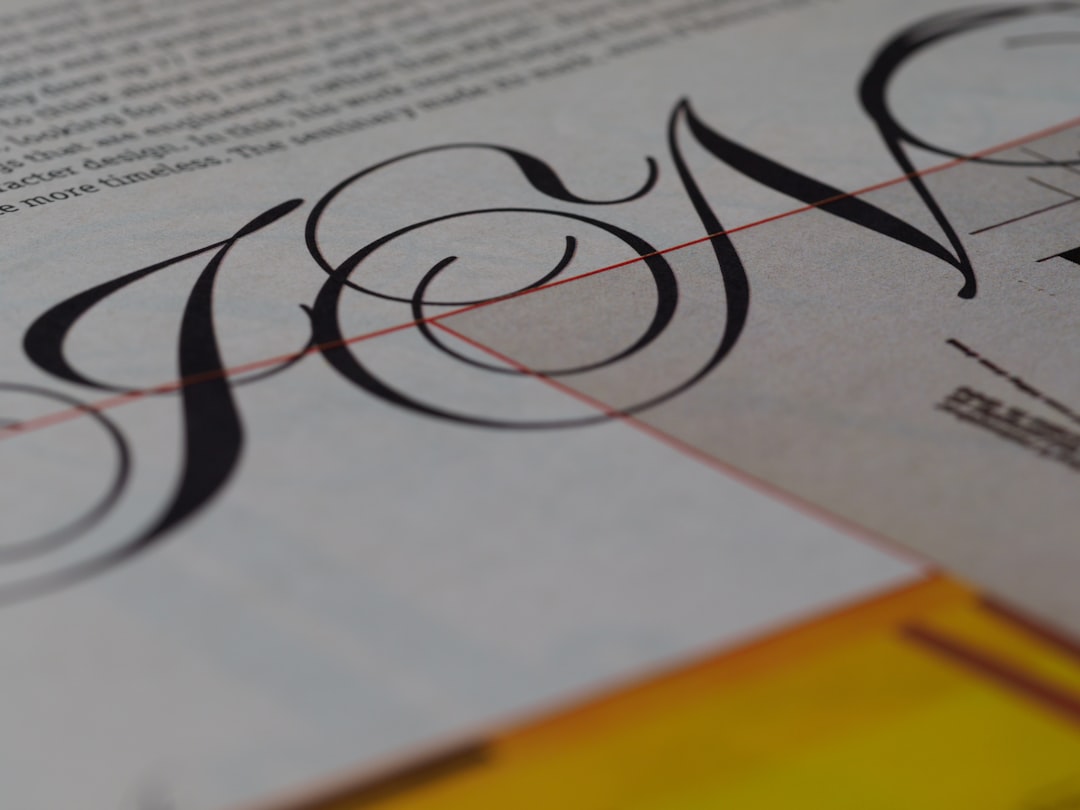
- Exaggerated forms: dramatic loops, swelled downstrokes, playful flourishes.
- A personal voice: two artists writing the same word will look distinctly different.
The tools you need
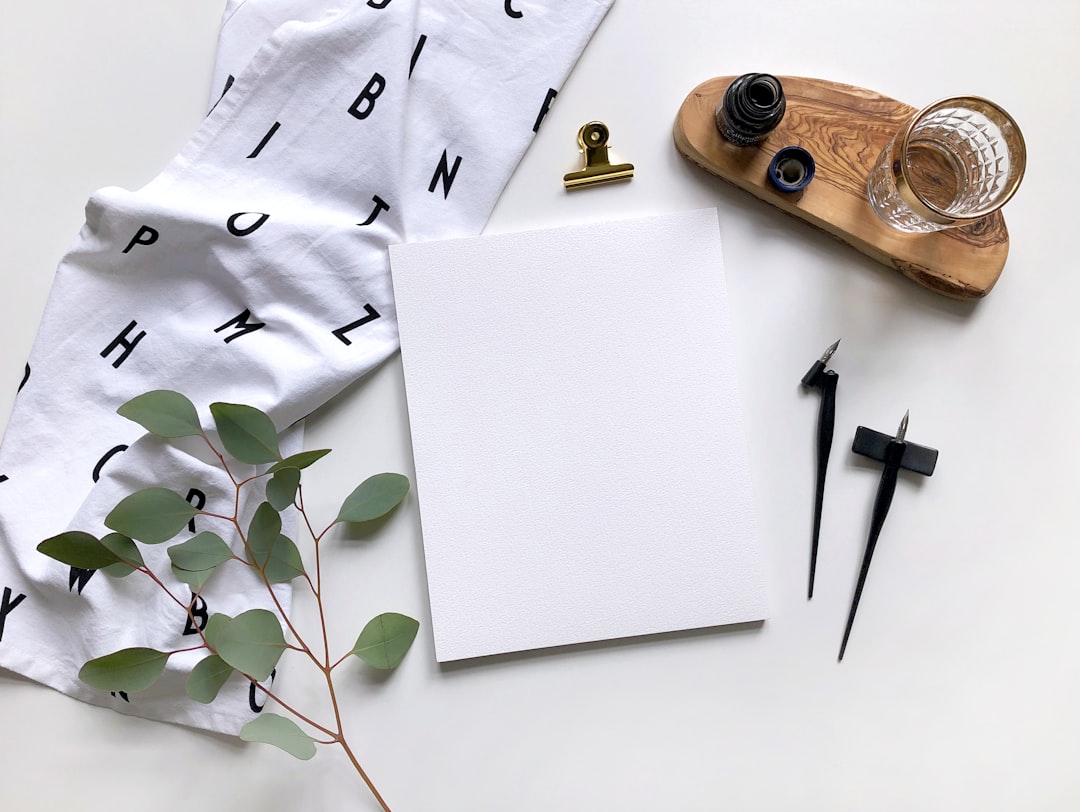
The kit is identical to classic pointed pen, so nothing here is wasted if you later explore formal scripts.
- Nib: a Nikko G to start (stiff, forgiving), graduating to a Zebra G for more contrast as your control grows.
- Holder: a straight holder is fine for the gentler slants common in modern work; an oblique holder helps with steeper leans.
- Ink: sumi ink for crisp black, or walnut ink for cheap, nib-friendly practice.
- Paper: smooth, heavyweight stock to prevent feathering and snagging.
If you do not own nibs yet, you can practice the exact letterforms with faux calligraphy, which fakes the thick-and-thin look using any pen. It is the cheapest possible way to build the muscle memory.
The basic strokes still rule everything
Modern calligraphy is freer, but it is not formless. The same basic strokes underpin it: hairline upstrokes, pressured downstrokes, underturns, overturns, compound curves, ovals, and ascending and descending loops. The golden rule never changes — pressure on the downstroke, hairline on the upstroke.
Drill these in long rows before writing words. The “freedom” of modern calligraphy only looks good once the underlying strokes are consistent. Sloppiness and intentional looseness are not the same thing.
Adding bounce without chaos
Bounce is the signature move, and it is easy to overdo. A few guidelines keep it tasteful:
- Pick a few letters to drop below the baseline (often the terminal letters of a word) rather than bouncing everything.
- Keep ascenders and descenders generous and looped to balance the bounce.
- Maintain a roughly consistent x-height even as letters rise and fall — total randomness reads as messy, not modern.
- Read your word as a whole. The eye should travel smoothly; no single letter should jump out awkwardly.
Modern vs traditional at a glance
| Feature | Traditional (Copperplate) | Modern |
|---|---|---|
| Slant | Fixed, ~55° | Variable, your choice |
| Baseline | Strict and even | Bouncy, intentional |
| Letter forms | Standardized | Personal, exaggerated |
| Spacing | Compact, uniform | Open and airy |
| Learning curve | Steep | Gentler, more forgiving |
A four-week practice plan
- Week 1 — Strokes. Nothing but basic strokes, every day. Build clean thick-and-thin contrast.
- Week 2 — Lowercase. Work through the alphabet in stroke families (ovals first), keeping a relaxed but consistent slant.
- Week 3 — Words and connections. Focus on smooth joins and even spacing. Write short words repeatedly.
- Week 4 — Style. Introduce bounce, experiment with flourishes, and start copying artists you admire to find your own voice.
Finding your style
Your style emerges from imitation plus repetition. Collect lettering you love, study why it works (the slant, the bounce, the spacing), and copy it deliberately. Over time your hand drifts toward its own version. That drift is your style — you do not invent it, you uncover it.
Want sharper, steadier lines overall? The general motor control you build by improving your everyday handwriting pays direct dividends in calligraphy, especially in the consistency of your hairlines.
Frequently Asked Questions
Is modern calligraphy easier than traditional calligraphy?
Generally yes. Modern calligraphy relaxes the rigid slant, baseline, and letterform rules of scripts like Copperplate, so beginners reach attractive results faster. However, it still relies on the same basic strokes and pressure control, so skipping fundamentals will show. Looseness only looks intentional once your technique is solid.
What pen do I need for modern calligraphy?
A pointed flexible nib such as a Nikko G or Zebra G in a straight or oblique holder, plus sumi or walnut ink and smooth paper. The Nikko G is the most forgiving starting nib. You can also practice the same letterforms with faux calligraphy using any regular pen before buying a kit.
Can I learn modern calligraphy with brush pens?
Yes. Brush pens like the Tombow Dual Brush or Pentel Fude create the same thick-and-thin contrast through pressure, just with a flexible brush tip instead of a metal nib. They are portable and ink-free to set up, making them a popular, mess-free alternative for practicing modern calligraphy strokes and letters.
How is bounce lettering different from messy writing?
Bounce is deliberate: letters drop below or rise above the baseline in a controlled, rhythmic way while x-height and stroke contrast stay consistent. Messy writing is random and inconsistent. The difference is intent and control — good bounce reads as playful and balanced, not accidental or hard to read.