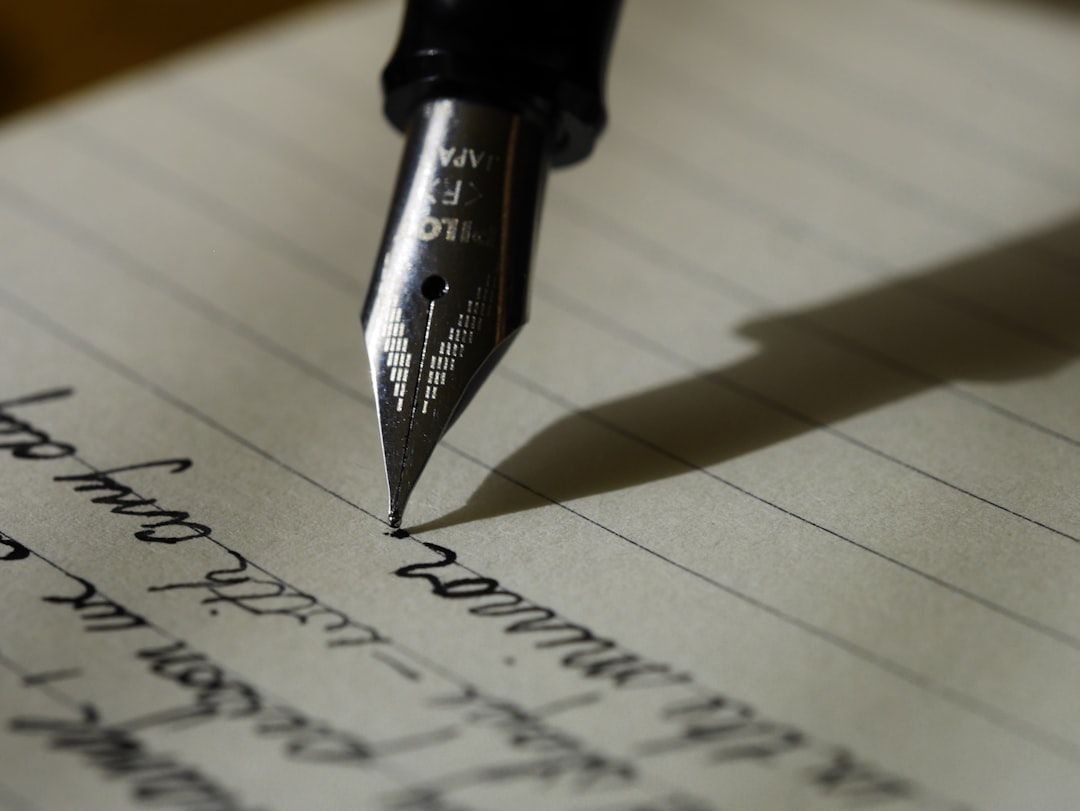
How to Improve Your Handwriting
You can improve handwriting at any age — it is a motor skill, not a fixed trait, and motor skills respond to deliberate practice. Messy writing almost always comes down to a handful of fixable habits: a tense grip, poor posture, inconsistent letter shapes, and writing too fast. Address those, drill consistently, and your everyday hand becomes noticeably cleaner within a few weeks.
Better handwriting is also the perfect on-ramp to the wider craft of letterforms. The control you build here transfers directly to lettering and to calligraphy for beginners and its basic strokes, where consistent slant and pressure are everything.
Start with grip and posture
Most handwriting problems begin before the pen touches paper.
- Relax your grip. A white-knuckle hold causes cramping and shaky lines. Hold the pen firmly but loosely, resting it in the web between thumb and index finger.
- Use the tripod grip. Thumb, index, and middle finger form a stable triangle around the pen, roughly two to three centimeters from the tip.
- Sit upright with both feet flat and forearms supported on the desk. Slouching forces your hand to compensate.
- Move your whole arm, not just your fingers. Finger-only writing tires fast and produces cramped letters; arm movement creates smooth, flowing lines.
Choose the right pen
The wrong pen sabotages good technique. A pen that skips or drags makes you press harder, which worsens control.
- Gel pens glide smoothly and suit most people learning to write neatly.
- Fountain pens require almost no pressure, which naturally relaxes a heavy hand.
- Fine rollerballs give crisp, consistent lines.
- Try a few tip widths. A 0.5mm or 0.7mm point is a comfortable default for everyday writing.
Drill the fundamentals
You would not expect to play piano without scales. Handwriting has its own scales — repetitive shape drills that build muscle memory.
- Lines and ovals. Fill rows with parallel diagonal lines and consistent ovals. This single drill, borrowed from calligraphy practice, fixes slant and roundness more than any other.
- Consistent slant. Pick one angle and hold it across every letter. Use slant guidelines under your paper until it becomes automatic.
- Uniform x-height. Keep the body of your lowercase letters the same height. Lined or grid paper helps enormously.
- Even spacing. Aim for consistent gaps between letters and roughly one lowercase “o” of space between words.
Slow down (this is the big one)
Almost everyone writes too fast for their current skill level. Speed is the enemy of neatness while you are rebuilding habits. Deliberately write slower than feels natural, focusing on the shape of each letter. Speed returns on its own once the clean shapes are automatic — and it returns without sacrificing legibility.
Build consistency with guidelines
Consistency is what separates neat handwriting from messy handwriting more than any individual letter shape. The fastest route to consistency:
| Guideline | What it fixes |
|---|---|
| Baseline | Letters drifting up and down |
| X-height line | Uneven letter sizes |
| Slant lines | Inconsistent letter angles |
| Margins | Crowded, cramped pages |
Print or slide a guide sheet under your writing paper. Once your hand internalizes the proportions, you can drop the guides.
Practice in short, frequent sessions
- Ten to fifteen minutes daily beats an hour once a week — motor learning depends on frequency.
- Copy text you like. Writing out quotes or paragraphs trains real-world flow better than isolated letters.
- Keep your old samples. Compare monthly; visible progress is the best motivator.
- Warm up with a few rows of ovals and lines before writing anything that matters.
From neat writing to lettering art
Once your everyday hand is clean and consistent, you are well positioned to take letters further. The same control powers faux calligraphy, which fakes the elegant thick-and-thin look with any pen, and it underpins the looser, expressive style covered in our beginner’s guide to modern calligraphy. Good handwriting is not the ceiling — it is the foundation.
Frequently Asked Questions
Can adults really improve their handwriting?
Yes. Handwriting is a motor skill, and motor skills respond to deliberate practice at any age. Adults often improve faster than children because they can focus, self-correct, and stick to a routine. Fixing grip, slowing down, and drilling consistent shapes for a few weeks produces clearly visible results.
How long does it take to improve handwriting?
With ten to fifteen minutes of daily practice, most people see noticeable improvement in three to four weeks and a genuinely transformed everyday hand within two to three months. Frequency matters more than session length — short daily practice builds the muscle memory faster than occasional long sessions.
What is the best pen for neat handwriting?
A smooth-flowing pen that requires little pressure works best, because pressing hard worsens control. Gel pens and fountain pens are popular choices, as both glide easily and reduce hand tension. Try a 0.5mm or 0.7mm tip and pick whatever lets you write slowly and steadily without dragging.
Why is my handwriting so messy?
Messy handwriting usually stems from a tense grip, writing too fast, finger-only movement, and inconsistent letter sizes and slant. Each is fixable. Relax your grip, slow down, move from the arm, and use guidelines to lock in consistent x-height and slant. Address these habits and legibility improves quickly.