Art Deco Design: Style, History and Examples
Art Deco design is the visual language of modern luxury — geometric, symmetrical, streamlined, and unapologetically glamorous. Born in the 1920s and peaking before the Second World War, it still signals sophistication and the Jazz Age the instant you see it. From the Chrysler Building to a champagne label, the style remains one of the most recognizable in design.
This guide covers where Art Deco came from, the traits that define it, the typefaces it favored, and how to deploy it today without looking like a cliché. For the bigger picture, see our complete graphic design history timeline.
What Is Art Deco Design?
Art Deco is a decorative style that flourished between roughly 1920 and 1939, spanning architecture, fashion, furniture, product design, and graphics. Unlike the flowing, organic curves of the Art Nouveau movement that preceded it, Art Deco is built on bold geometry, sharp symmetry, and machine-age confidence. It celebrated modernity, speed, and wealth at a moment when the world was electrifying, flying, and dancing.
The name comes from the Exposition Internationale des Arts Décoratifs et Industriels Modernes, the landmark 1925 Paris exhibition that showcased the style to the world. The term “Art Deco” itself was popularized retroactively in the 1960s, but 1925 Paris is universally treated as the movement’s defining moment.
The History: From Paris to the World
Art Deco emerged in France in the years after the First World War, a reaction to the war’s austerity and an embrace of optimism and luxury. The 1925 Paris Exposition crystallized the look and exported it globally. Through the late 1920s and 1930s it became the international style of glamour: ocean liners, cinemas, hotels, and the great skyscrapers of New York all spoke Art Deco.
By the 1930s the style evolved into a sleeker, more aerodynamic variant — Streamline Moderne — that mirrored the era’s obsession with trains, planes, and automobiles. The Great Depression made the early style’s lavish materials less viable, so Streamline Moderne traded gold and exotic woods for curved, mass-producible forms. The whole movement faded with the Second World War, but it never truly disappeared.
Defining Visual Traits
Art Deco is highly systematic, which is exactly why it is so easy to recognize and to apply. The core ingredients are consistent.
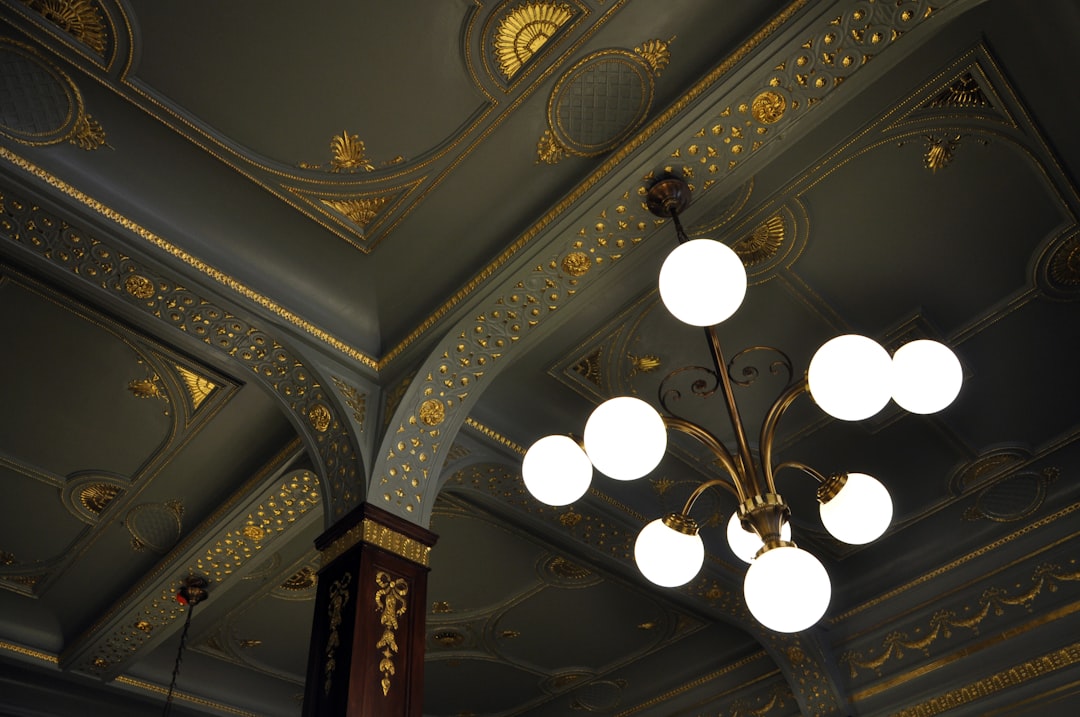
- Bold geometry: zigzags, chevrons, sunbursts, stepped “ziggurat” forms, and strong symmetry.
- Streamlined, vertical emphasis: tall, elongated proportions that suggest speed and aspiration.
- Rich materials and metallics: gold, chrome, black, lacquer, and high-contrast color palettes.
- Stylized motifs: fountains, sunbursts, exotic and Egyptian-revival patterns (spurred by the 1922 discovery of Tutankhamun’s tomb).
- Decorative borders and frames that organize a layout with elegant structure.
The most famous physical examples are architectural: the Chrysler Building (1930) and Empire State Building (1931) in New York, and Miami Beach’s pastel hotel district. In graphics, the French-Ukrainian poster artist A. M. Cassandre defined Deco advertising with his geometric, monumental travel posters.
Art Deco Typography
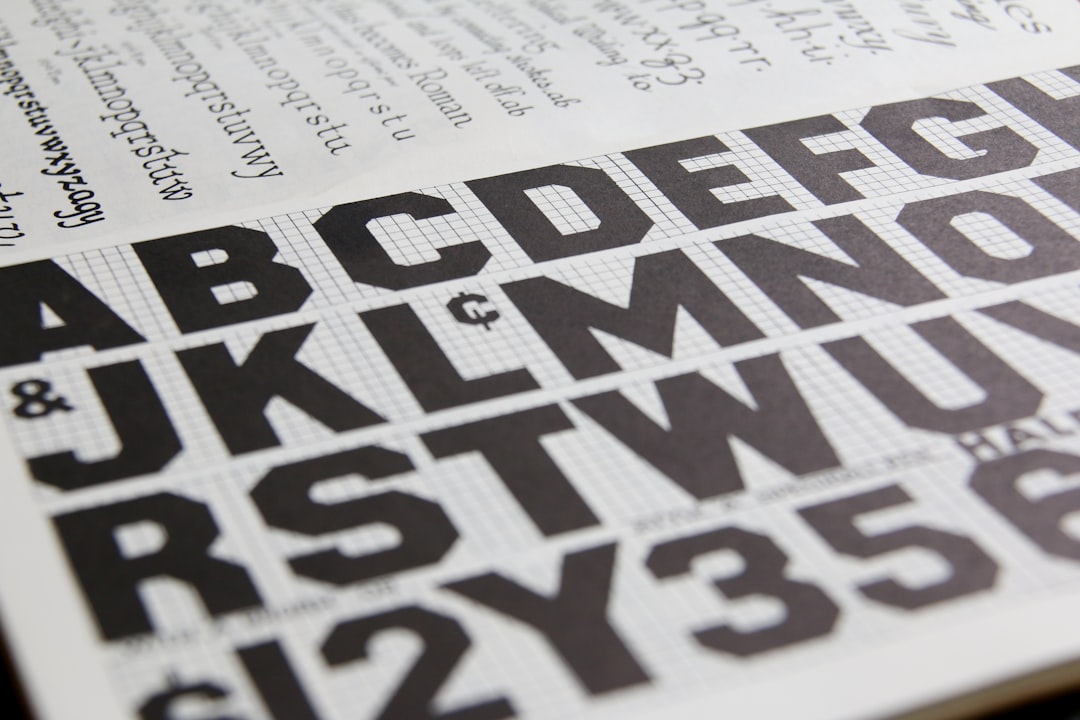
Art Deco type is as distinctive as its ornament: tall, geometric capitals with strong vertical strokes, sharp angles, and a sense of architectural grandeur. Letterforms were often custom-drawn for a single poster or building. The style favored high contrast and dramatic, condensed shapes that echoed the skyscraper silhouette.
Several typefaces capture the look today, including geometric faces like Broadway, Parisian, and the elegant Mostra. For pairing and sourcing authentically period-flavored type, our roundup of vintage fonts is a practical starting point. Used sparingly for headlines, Deco type reads instantly as luxury — over-used, it tips into pastiche.
Art Deco vs Related Movements
| Movement | Era | Attitude to ornament | Feeling |
|---|---|---|---|
| Art Nouveau | 1890–1910 | Organic, flowing decoration | Natural, romantic |
| Art Deco | 1920–1939 | Geometric, luxurious decoration | Glamorous, modern |
| Bauhaus | 1919–1933 | Ornament rejected entirely | Functional, austere |
| Streamline Moderne | 1930s | Minimal, aerodynamic curves | Sleek, futuristic |
It is worth contrasting Art Deco with its austere contemporary, the Bauhaus. Both were modern and geometric, but the Bauhaus stripped decoration away in service of function while Art Deco celebrated decoration as the whole point. They are two answers to the same machine age.
How to Use Art Deco Design Today
Art Deco never left the toolkit because it does one job exceptionally well: signaling premium, timeless luxury. It is a natural fit for hospitality, spirits, beauty, fashion, jewelry, and event branding. The key is restraint — the style is rich enough that a little goes a long way.
- Lead with one strong geometric motif (a sunburst or chevron border) rather than layering many.
- Use a high-contrast palette: deep black or navy with gold, brass, or cream.
- Reserve Deco display type for headlines and set body copy in a clean, readable companion.
- Embrace symmetry — it is central to the style’s sense of order and elegance.
- Add subtle texture (foil, emboss, marble) to suggest the original luxury materials.
Mixed with mid-century warmth, Deco still feels current — see how the style fed into later American design in our guide to mid-century modern design.
Why Art Deco Endures
Most decorative styles date badly, yet Art Deco keeps coming back. It surfaced in 1980s graphics, in the meticulous period design of films such as The Great Gatsby, and in countless contemporary spirits, hotel, and beauty brands. The reason is simple: the style is a reliable shorthand for premium quality. Its symmetry reads as order, its metallics read as wealth, and its tall geometry reads as confidence. Few visual languages communicate “this is expensive and well made” so efficiently.
There is also a craftsmanship dimension. Original Deco objects were made with genuine skill and costly materials, and that association still clings to the style. When a designer reaches for a sunburst motif and a gold-on-black palette, they borrow a century of accumulated meaning about luxury and modernity in a single move. That efficiency is why Art Deco remains one of the most useful historical styles in a working designer’s toolkit, long after the Jazz Age ended.
It pays to study the originals rather than the imitations. The posters of Cassandre, the interiors of the great ocean liners, and the lobbies of New York’s Deco skyscrapers reward close looking. Notice how restraint, not excess, drives the best examples: one dominant motif, a tight palette, and confident symmetry. That discipline is what separates elegant Deco-influenced work from costume-party pastiche, and it is the single most useful lesson the movement offers a modern designer.
Frequently Asked Questions
What is art deco design?
Art Deco design is a decorative style from the 1920s and 1930s defined by bold geometry, symmetry, streamlined forms, and luxurious materials such as gold and chrome. It celebrated modernity and glamour, appearing in architecture, fashion, product design, and graphics across the world.
When did art deco start and end?
Art Deco emerged in France in the early 1920s and is dated to the 1925 Paris Exposition that gave it its name. It peaked through the late 1920s and 1930s, evolved into Streamline Moderne, and faded with the onset of the Second World War around 1939.
What is the difference between art deco and art nouveau?
Art Nouveau (1890–1910) used flowing, organic, nature-inspired curves. Art Deco (1920s–1930s) replaced those with bold geometry, sharp angles, and machine-age symmetry. Nouveau feels romantic and natural; Deco feels glamorous, modern, and luxurious. Deco effectively succeeded and reacted against Nouveau.
What fonts are associated with art deco?
Art Deco favors tall, geometric capitals with strong vertical strokes. Typefaces that capture the look include Broadway, Parisian, and Mostra. Many original Deco letters were custom-drawn for a single poster or building, prizing architectural grandeur and high contrast.
Where can I see famous art deco examples?
The clearest examples are architectural: New York’s Chrysler Building (1930) and Empire State Building (1931), and Miami Beach’s pastel hotel district. In graphic design, A. M. Cassandre’s monumental travel posters of the late 1920s define the Art Deco advertising style.