Brutalism in Graphic Design Explained
Brutalism in graphic design is the deliberate rejection of polish — raw, stark, unrefined work that prizes honesty over slickness. Default system fonts, harsh contrast, exposed structure, and a confrontational “anti-design” attitude define the look. After dominating experimental websites in the late 2010s, it has settled into a recognized style with real staying power.
This guide covers where brutalism comes from, the traits that define it, its dramatic web revival, and how to use it on purpose rather than by accident. For the bigger picture, see our complete graphic design history timeline.
What Is Brutalism in Graphic Design?
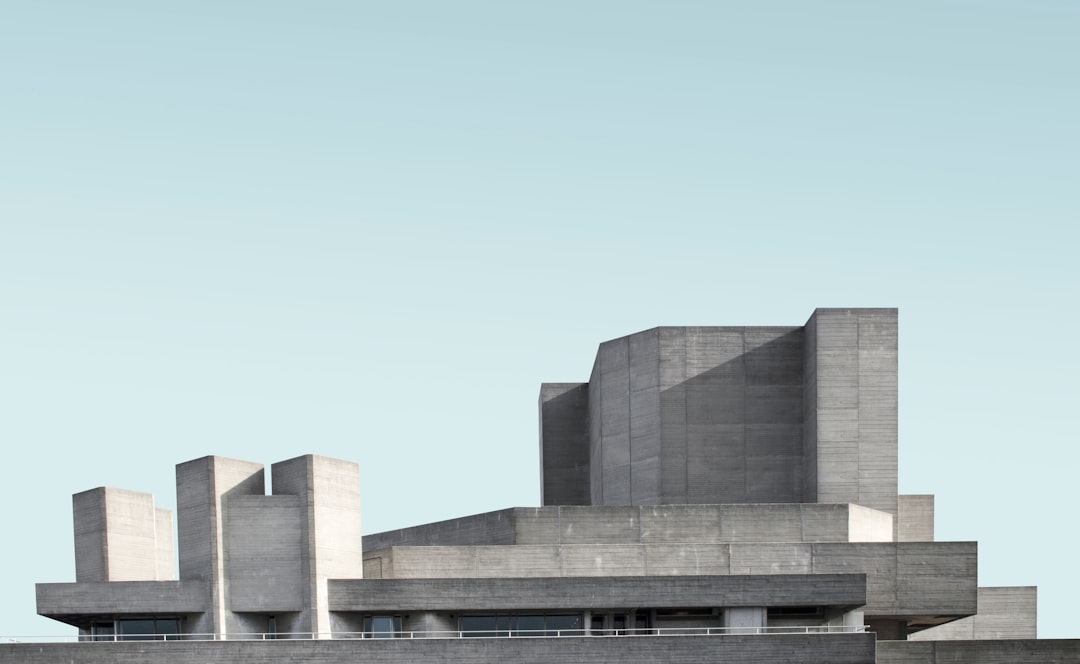
Brutalist graphic design borrows its name and spirit from Brutalist architecture, the mid-20th-century movement of raw, exposed concrete buildings. The term comes from the French béton brut, meaning “raw concrete.” In graphics, the same philosophy applies: show the structure, hide nothing, and refuse to make things artificially pretty. The result reads as honest, blunt, and sometimes deliberately ugly.
It is an explicit reaction against the smooth, friendly, templated look that dominates commercial design — the rounded corners, soft gradients, and stock-photo gloss of mainstream branding and the so-called “corporate Memphis” illustration style. Brutalism says no to all of it, which is exactly the point.
The Origins and Influences
Brutalist graphic design did not appear from nowhere. It draws on a long lineage of raw, anti-establishment visual styles, most directly the punk graphics of the 1970s with their photocopied, cut-and-paste, ransom-note energy. It also echoes the grid-breaking experiments of postmodern designers like David Carson, whose work in the 1990s magazine Ray Gun treated legibility as optional and expression as everything.
In every case, brutalism positions itself against the prevailing polish. Where the Swiss design style perfected the clean, ordered grid, brutalism is its mirror opposite — it deliberately abandons that order to feel raw and human. The two styles are best understood as opposite ends of the same spectrum running from total control to total rawness.
Core Traits of Brutalist Design
Brutalism has a clear, recognizable toolkit despite its anti-rules reputation.
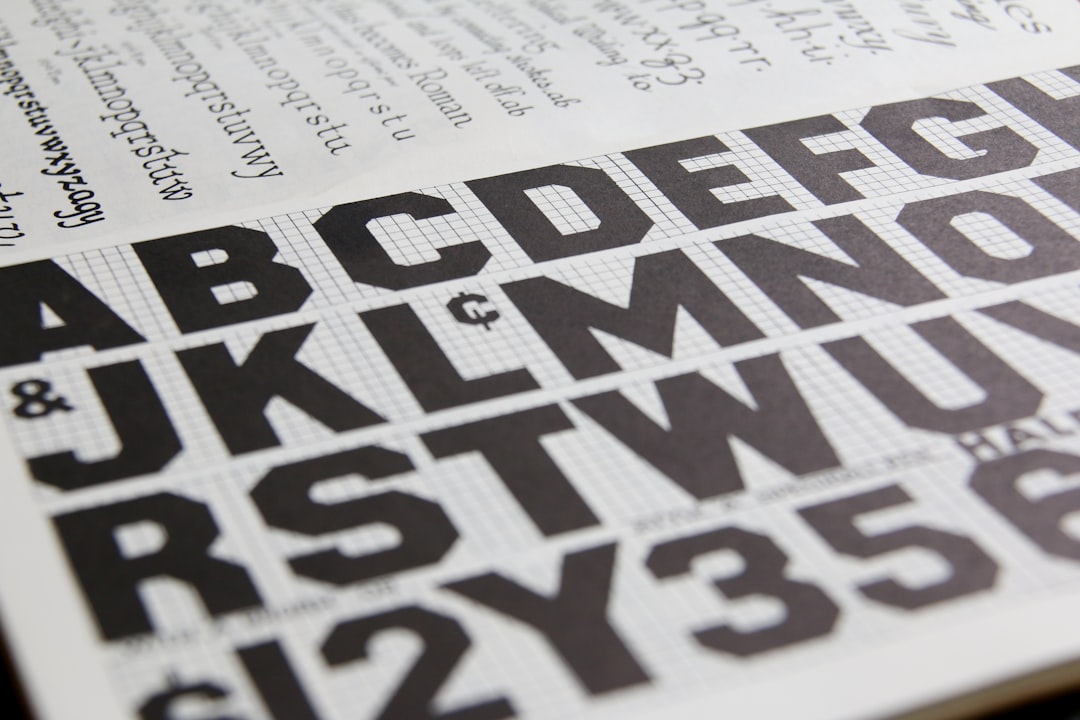
- Default and system fonts — Times New Roman, Arial, Courier, and unstyled browser defaults instead of carefully chosen typefaces.
- Raw HTML aesthetics — visible borders, blue underlined links, monospace text, and an unstyled “view source” honesty.
- High contrast and clashing color — stark black-on-white, or jarring, intentionally uncomfortable combinations.
- Asymmetry and broken layout — overlapping elements, off-grid placement, and intentional visual tension.
- Exposed structure — grids, boxes, and code-like elements left visible rather than hidden.
- Minimal decoration — no gradients, shadows, or ornament; nothing is there to please.
The unifying logic is honesty. Brutalism treats the medium’s raw materials — HTML, default type, the grid itself — as the finished surface rather than something to be dressed up.
The Web Revival and Neubrutalism
Brutalism’s biggest modern home is the web. Around 2014–2018, a wave of brutalist websites pushed back against the sea of identical, template-driven landing pages. Stripped-back, fast-loading, deliberately stark sites stood out precisely because they looked nothing like everything else. The aesthetic became a badge of independence and technical confidence.
More recently the style softened into neubrutalism (or “neo-brutalism”): a friendlier descendant that keeps the bold borders, hard drop shadows, flat clashing colors, and raw energy, but applies them to usable, polished interfaces. Neubrutalism has become a popular look for design portfolios, developer tools, and startups that want to seem bold and distinctive without sacrificing usability.
Brutalism vs Other Movements
| Movement | Attitude | Typography | Layout |
|---|---|---|---|
| Brutalism | Raw, honest, anti-polish | Default / system fonts | Broken, asymmetric, exposed |
| Swiss design | Objective, controlled | Neutral sans-serif | Strict grid |
| Minimalism | Calm, refined reduction | Carefully chosen, sparse | Clean, balanced |
| Mid-century modern | Warm, optimistic | Eclectic, playful | Structured but friendly |
It is worth noting brutalism and minimalism both reduce, but for opposite reasons: minimalism removes to soothe, brutalism strips back to confront. To see the polished tradition brutalism rebels against, compare our guide to mid-century modern design, the warm commercial style brutalism deliberately refuses.
How to Use Brutalism Well
Brutalism is high-risk and high-reward. Done with intent, it signals confidence, independence, and authenticity; done carelessly, it just looks broken. The trick is that good brutalism is intentional — the rawness is a choice, not an excuse for sloppiness.
- Commit fully. Half-hearted brutalism reads as a mistake; lean all the way in.
- Keep it usable. Raw does not mean unreadable — preserve clear navigation and contrast for accessibility.
- Use it for the right brands — independent studios, art projects, developer tools, music, and anything anti-corporate.
- Try neubrutalism when you want the bold energy but need a functional, conversion-friendly interface.
- Let one strong idea lead — a single jarring color or one default-font headline can carry the whole look.
Used deliberately, brutalism is one of the few historical styles that still feels genuinely provocative, which is exactly why a new generation of designers keeps reaching for it.
The Case For and Against Brutalism
Brutalism divides designers more than almost any other contemporary style, and the debate is worth understanding before you adopt it. The case for it is about differentiation and trust. In a landscape where most websites and brands look interchangeable — the same rounded buttons, the same soft gradients, the same friendly illustrations — a raw, confident, brutalist treatment cuts through immediately. It also signals that a brand is not hiding behind polish, which can read as a kind of authenticity. For audiences tired of corporate gloss, that honesty is genuinely appealing.
The case against is about accessibility and longevity. Harsh contrast can become unreadable; broken layouts can confuse navigation; default fonts can read as careless rather than intentional. There is a real risk that brutalism becomes an excuse for skipping the hard work of usability. The strongest brutalist work threads this needle: it looks raw and rule-breaking on the surface while remaining perfectly navigable and accessible underneath. That tension — calculated rawness — is the craft of the style.
For working designers, the practical question is whether the rawness serves the audience or merely flatters the designer. If a stark, code-like aesthetic genuinely reinforces a brand’s identity and the site still works flawlessly, brutalism is a powerful choice. If it just makes the experience harder while looking edgy, it has failed. As with every movement in this cluster, the value lies in deploying the style on purpose, with full awareness of what it costs and what it buys.
Frequently Asked Questions
What is brutalism in graphic design?
Brutalism in graphic design is a raw, unpolished style that rejects slick commercial design in favor of honesty and exposed structure. It uses default system fonts, harsh contrast, broken layouts, and minimal decoration. The name comes from Brutalist architecture and its raw concrete, “béton brut,” aesthetic.
Where does brutalist design come from?
It borrows its name and spirit from mid-20th-century Brutalist architecture, and its attitude from 1970s punk graphics and 1990s grid-breaking designers like David Carson. In every case, brutalism positions itself against the prevailing polish of mainstream commercial design as a deliberate reaction.
What is the difference between brutalism and neubrutalism?
Brutalism is genuinely raw and often anti-usable, using default fonts and broken layouts. Neubrutalism is a friendlier descendant that keeps bold borders, hard drop shadows, and clashing flat colors but applies them to polished, usable interfaces. Neubrutalism is popular for portfolios, startups, and developer tools.
Why did brutalist web design become popular?
Around 2014 to 2018, brutalist websites pushed back against a sea of identical, template-driven pages. Their stripped-back, fast, deliberately stark look stood out precisely because it broke from the norm, and it became a badge of independence and technical confidence among designers.
Is brutalism good or bad design?
Neither inherently — it depends on intent. Done deliberately, brutalism signals confidence, authenticity, and independence. Done carelessly, it just looks broken. The best brutalist work is intentional and still usable, treating rawness as a considered choice rather than an excuse for poor execution.