How to Write a Memorable Tagline
A tagline is the short, durable phrase that sits beside your brand and tells people what you stand for in a handful of words. The best ones do the work of a paragraph: they are short, they lead with a benefit or an emotion, and they are simple enough to remember after a single exposure. Writing one is less about cleverness than about ruthless editing.
This guide covers what a tagline is, how it differs from a slogan, the rules that separate sticky lines from forgettable ones, and a step-by-step process for writing your own. A tagline is the verbal anchor of a complete visual identity — it travels with the logo wherever the brand goes.
Tagline vs Slogan: What’s the Difference
People use the words interchangeably, but they do different jobs. A tagline is permanent — it expresses the enduring identity of the brand and sits next to the logo for years. A slogan is campaign-specific — a line that supports a single product launch or promotion and is expected to change.
The practical upshot: write a tagline to last. Avoid tying it to a price, a season, or a feature you might drop. It should still make sense in five years, the same way your color palette and brand fonts are chosen to endure rather than chase a trend.
What Makes a Tagline Memorable
Memorable taglines tend to share a small set of qualities. None of them is mandatory, but the strongest lines hit several at once.
- Short. Most great taglines are three to five words. Brevity is what makes a line repeatable.
- Benefit- or emotion-led. The line points at what the customer gets or feels, not at what the company does internally.
- Distinctive. It could not be swapped onto a competitor without sounding wrong.
- Rhythmic. A pleasing cadence — often three beats, or a balanced two-part structure — makes a line stick.
- Plain. Everyday words beat jargon. If a reader has to decode it, it has already failed.
Real Examples and Why They Work
The clearest way to learn the craft is to look at lines that have earned their reputation. Each of these is cited accurately and dissected for the mechanism behind it.
| Tagline | Brand | Why it works |
|---|---|---|
| Just Do It | Nike | Three words, pure motivation, sells a mindset rather than a shoe. |
| Think Different | Apple | Positions the brand against the mainstream; an identity, not a feature. |
| Because You’re Worth It | L’Oréal | Leads entirely with emotion and self-worth, never the product. |
| The Ultimate Driving Machine | BMW | Stakes a single, confident claim and owns one idea: performance. |
| Finger Lickin’ Good | KFC | Sensory, plainspoken, and instantly evokes the product experience. |
Notice what none of them do: list features, mention price, or try to say everything. Each commits to one idea and says it in the fewest possible words.
How to Write a Tagline: Step by Step
A tagline is the output of a process, not a flash of inspiration. Working through these steps consistently produces better candidates than waiting for a great line to arrive.
- Write your positioning in a sentence. Who you serve, what you offer, and why it matters. The tagline is the compression of this.
- List the one feeling or benefit you own. Not five — one. The tagline can only carry a single idea well.
- Generate volume. Write 30 to 50 candidates fast, without judging. Quantity now buys quality later.
- Read every line out loud. Rhythm and awkwardness only reveal themselves when spoken. Cut anything that stumbles.
- Cut to a shortlist of five. Test each against the rules: short, benefit-led, distinctive, plain.
- Pressure-test the finalists. Could a competitor use it? Does it still work in five years? Does it pair cleanly with your logo and brand colors?
Common Tagline Mistakes
Most weak taglines fail in predictable ways. Avoiding these gets you most of the way to a usable line.
- Trying to say everything. A tagline that lists three benefits communicates none. Pick one.
- Describing the company, not the customer. “We deliver quality solutions” is about you; “Worth it” is about them.
- Empty buzzwords. “Innovative,” “seamless,” and “solutions” could belong to any brand and stick to none.
- Being too clever. A pun nobody gets is a private joke, not a tagline.
- Confusing it with a slogan. Don’t tie a permanent line to a temporary campaign.
Where Taglines Live
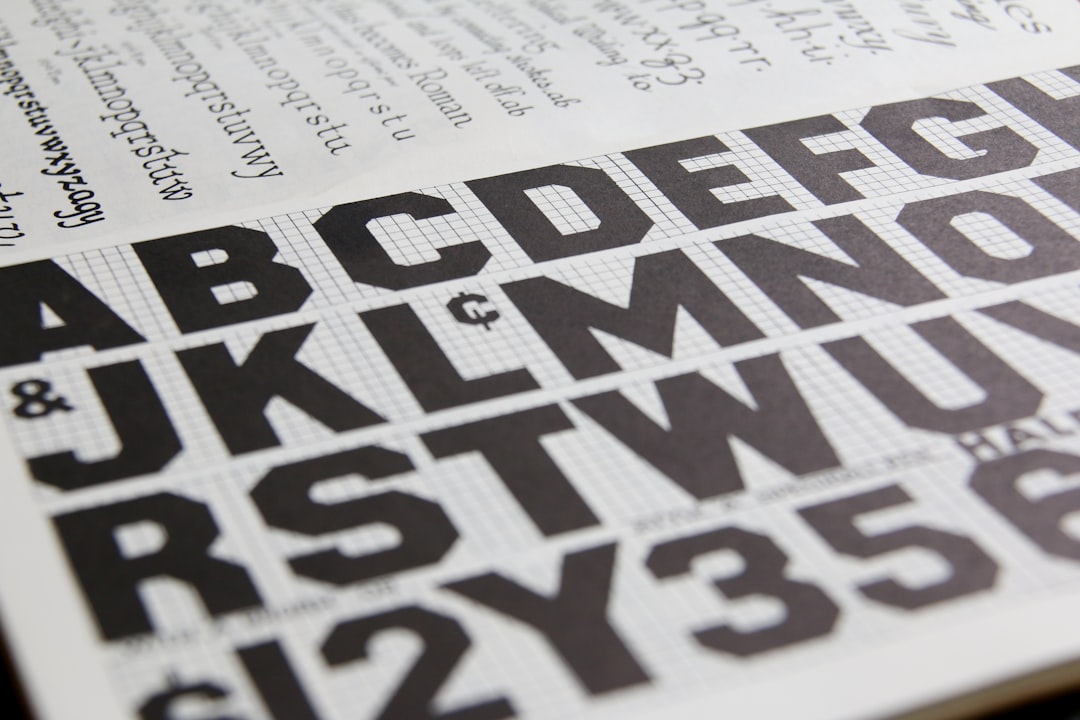
A tagline is not a one-time deliverable that sits in a brand file. It travels with the identity and shows up in specific, recurring places, so write it knowing where it will appear. The most common home is the logo lockup — many brands set the tagline in a smaller weight directly beneath or beside the mark, which is why a line that reads well in a document can feel cramped once it is set in the real typeface at real proportions.
Beyond the lockup, a tagline anchors the hero section of a website, the sign-off of an advertisement, the cover of a pitch deck, and the bio line of a social profile. Because it appears across so many contexts, two things matter: it has to scale down to small sizes without losing meaning, and it has to pair cleanly with your brand fonts. A tagline that needs a paragraph of explanation to land will not survive these tight, fast-read placements. Test your finalists in the actual settings they will live in, not just on a blank page.
Testing a Tagline Before You Commit
Before a line goes next to your logo for the next several years, put it through a few quick checks. Say it to someone unfamiliar with the brand and ask what they think you do. Set it in your actual brand typeface beside the logo — a line that reads well in a brief can look cramped in a real lockup. Search it to make sure it is not already strongly associated with another company. And leave it for a day; lines that still feel right after some distance are usually the keepers. The most reliable signal is whether someone can repeat it back to you accurately after hearing it once — if they can, you have something worth committing to.
Frequently Asked Questions
How long should a tagline be?
Most memorable taglines run three to five words. Brevity is what makes a line easy to repeat and remember. A longer line can work if the rhythm carries it, but every extra word is a chance for the reader to lose interest, so cut relentlessly.
What is the difference between a tagline and a slogan?
A tagline is a permanent line that expresses a brand’s enduring identity and sits beside the logo for years. A slogan is campaign-specific and changes with each promotion or product launch. Write your tagline to last; reserve slogans for time-limited marketing.
Does every brand need a tagline?
No. A tagline helps when your name alone does not communicate what you do or how you are different. Strong, established brands sometimes drop the tagline entirely. If you do use one, it should add meaning the logo cannot, not just fill space beside it.
How do I know if my tagline is good?
Test it out loud, show it to people unfamiliar with your brand, and check whether it is short, leads with a benefit or emotion, and could not be swapped onto a competitor. If people remember it after one hearing and it still fits in five years, it is working.
Can I change my tagline later?
Yes, but do it deliberately and rarely. A tagline builds recognition through repetition, so changing it resets some of that equity. Update it when your positioning genuinely shifts, not because you are bored of it. Document any change in your brand guidelines for consistency.