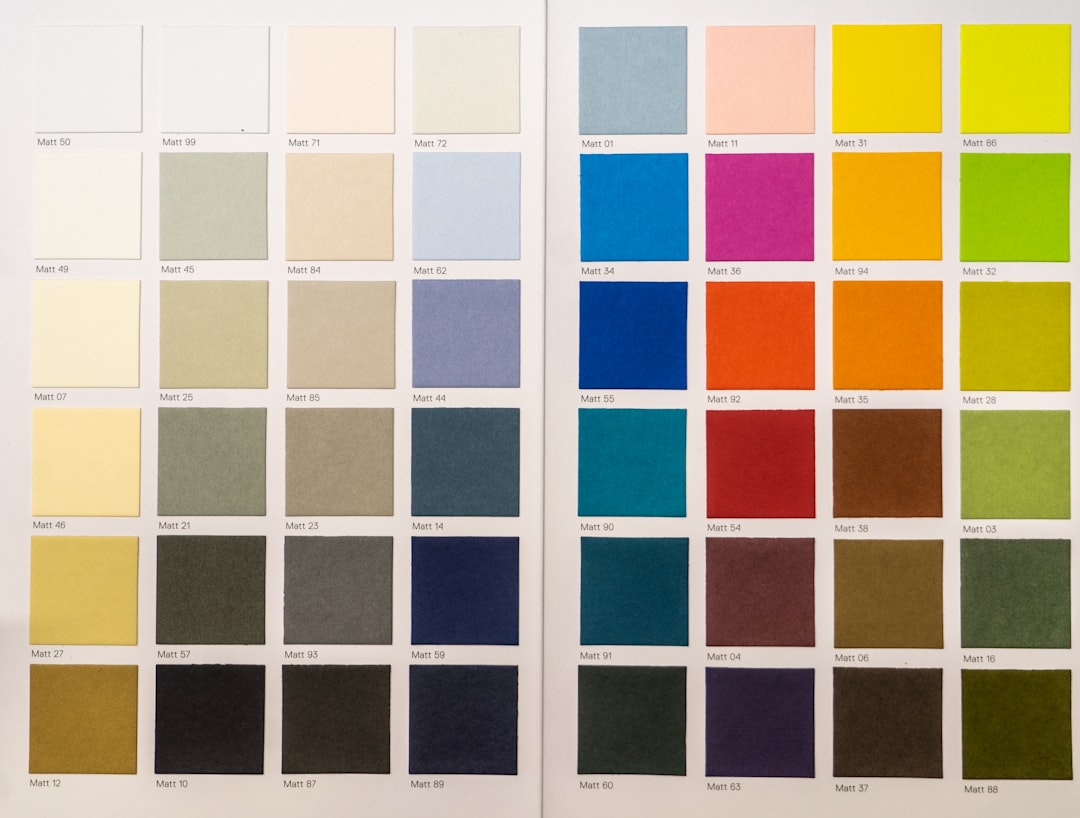
Colors That Go With White
White is the most flexible color in design because it reads as pure negative space — it makes whatever sits next to it look more saturated and intentional. The best colors that go with white are deep neutrals like navy and charcoal for contrast, soft tints like blush and sage for warmth, and a metallic accent like gold for polish. Below are exact hex codes, ready palettes, and the one decision that matters most: whether your white is warm or cool.
What colors go with white?
Because white is achromatic and maximally light, it sets off both dark anchors and soft pastels. The trick is contrast and undertone: dark colors give white its crispness, while tinted neutrals give it warmth. Here are the strongest matches:
- Navy (#1B2A4A) — the cleanest high-contrast pairing. Navy and white reads trustworthy, classic, and editorial.
- Charcoal (#36454F) — softer than pure black but still grounding. Ideal for modern minimal layouts.
- Black (#111111) — maximum contrast and timeless. The default for high-fashion and luxury minimalism.
- Sage green (#9CAF88) — a muted, organic accent that keeps white feeling calm and natural.
- Blush pink (#F4C9C2) — a warm tint that softens white and makes it feel approachable and human.
- Gold (#C9A227) — adds warmth and luxury; the go-to metallic accent on a white field.
Best color combinations for white
White works with almost anything because it has no hue of its own to clash. The real choices are value contrast and undertone. Pairing white with a dark anchor (navy, charcoal, black) is the simplest reliable scheme — high warm-vs-cool contrast isn’t even required, just light-vs-dark. To add personality, layer one tinted accent. Because white is neutral, you can lean it warm (blush, gold, terracotta) or cool (sage, navy, gray) without breaking the palette. The single most common mistake is treating all whites as identical, so settle the undertone first.
White + navy + gold (classic)
The default “premium and trustworthy” combination. White carries the space, navy anchors, and gold accents sparingly. Reads timeless across web, print, and weddings.
White + sage + charcoal (calm modern)
A softer, organic scheme. Sage warms the white slightly while charcoal grounds it — popular for wellness, beauty, and Scandinavian interiors.
White + blush + black (editorial contrast)
Black delivers sharp contrast while blush keeps the look from feeling cold. A favorite for fashion and DTC brands that want modern but warm.
White palettes with hex codes
| Pairing color | Hex | Why it works / mood |
|---|---|---|
| Navy | #1B2A4A | High contrast; classic, trustworthy |
| Charcoal | #36454F | Grounding without harshness; modern minimal |
| Black | #111111 | Maximum contrast; timeless, luxe |
| Sage green | #9CAF88 | Calm, organic, natural accent |
| Blush pink | #F4C9C2 | Warm, soft, approachable |
| Gold | #C9A227 | Premium metallic warmth |
| Cool gray | #B0BEC5 | Quiet UI neutral; structure without contrast |
Three ready palettes to copy:
- Classic: White #FFFFFF · Navy #1B2A4A · Gold #C9A227 · Cool gray #B0BEC5
- Calm modern: White #FAFAF7 · Sage #9CAF88 · Charcoal #36454F · Cream #F5EFE6
- Editorial contrast: White #FFFFFF · Black #111111 · Blush #F4C9C2 · Camel #C19A6B
How to build a balanced white palette
The decision that makes or breaks a white scheme is undertone. A cool white (around #FAFAFA to #F4F6F8) leans blue-gray and pairs best with grays, navy, sage, and other cool tones. A warm white (around #FBF8F0 to #F5EFE6) leans cream and pairs best with blush, gold, terracotta, and wood tones. Mixing a cool white with a warm white in the same layout looks accidental — pick one temperature and commit. For the difference between true white and its softer cousins, see our off-white vs white comparison.
Once the temperature is set, use white as roughly 60% of the composition, one neutral or accent as 30%, and a final accent as 10% — the classic 60-30-10 split. Because white is the lightest possible value, it benefits from at least one genuinely dark anchor so the eye has somewhere to rest; an all-white-and-pastel scheme can feel washed out without it. For a flexible foundation, our neutral color palette guide shows how to layer whites, grays, and creams.
On screens, remember that pure #FFFFFF can feel harsh and cause eye strain in large fields, which is why most interfaces use a near-white like #FAFAFA for backgrounds. Always confirm text contrast: dark text on white passes easily, but light gray text on white frequently fails accessibility checks.
Colors to avoid with white
White is forgiving, but a few situations create problems:
- Pale yellow next to a warm white — too close in value and hue; the white can look dingy or stained rather than crisp.
- Mixing warm and cool whites — placing a cream-white beside a blue-white in the same design reads as a mistake. Standardize on one.
- Low-saturation pastels with no dark anchor — white plus only soft tints can feel weak and washed out. Add a charcoal, navy, or black to give it structure.
White in branding vs interiors
In branding, white signals clarity, simplicity, and modernity, which is why tech and luxury brands lean on it heavily. The risk is genericness: white plus one bold accent is what separates a confident identity from a forgettable one. If you’re building a system, our guide on how to choose brand colors covers anchoring on white and choosing a single ownable accent.
In interiors, white expands space and reflects light, but flat white walls can feel clinical. Warm whites, natural wood, and textile texture (linen, wool, rattan) keep white rooms inviting. A single deep accent — navy cabinetry, a charcoal sofa, or black hardware — gives the eye an anchor. If you want an earthier direction, our piece on colors that go with cream shows how a warm off-white behaves differently from pure white.
Frequently Asked Questions
What is the best color to pair with white?
Navy (#1B2A4A) is the single best color to pair with white because it delivers clean, high-contrast structure while reading classic and trustworthy. For warmth, gold or blush pink are the next strongest choices. The “best” partner ultimately depends on whether your white is warm or cool — match the temperature for the most cohesive result.
Do warm and cool whites go together?
Generally no. Placing a warm cream-white beside a cool blue-white in the same layout looks unintentional, like a printing error or a mismatched paint touch-up. Pick one temperature and use it consistently. If you need variety, vary lightness within the same undertone rather than mixing warm and cool.
What accent color goes best with white?
Gold (#C9A227) is the standout accent for white because it adds warmth and a premium feel without introducing a competing hue. Sage green and blush pink are excellent softer accents, while a single bold color — coral, teal, or mustard — works when you want white to feel energetic and modern.
Why does pure white look harsh on screens?
Pure #FFFFFF reflects the maximum brightness a screen can output, which creates glare and eye strain in large fields, especially in dark environments. Most interfaces use a near-white like #FAFAFA or #F7F7F7 for backgrounds to soften it while keeping the clean, bright feel. Reserve true white for small highlights.