Brutalist Graphic Design: The Raw Aesthetic
There is a strain of graphic design that refuses to be pretty. It does not want your approval. It does not care about your comfort. It stacks type in ugly columns, pairs colors that clash on purpose, and leaves the structural bones of a layout completely exposed. This is brutalist graphic design — a movement built on rawness, honesty, and deliberate confrontation.
While much of contemporary design chases refinement and seamlessness, brutalism pushes in the opposite direction. It strips away the veneer. It rejects the notion that design must be polished to be effective. And in doing so, it has become one of the most polarizing and talked-about graphic design styles of the past decade.
Whether you find it repulsive or electrifying, brutalism demands your attention. That is, in many ways, the entire point.
Origins: From Raw Concrete to Raw Pixels
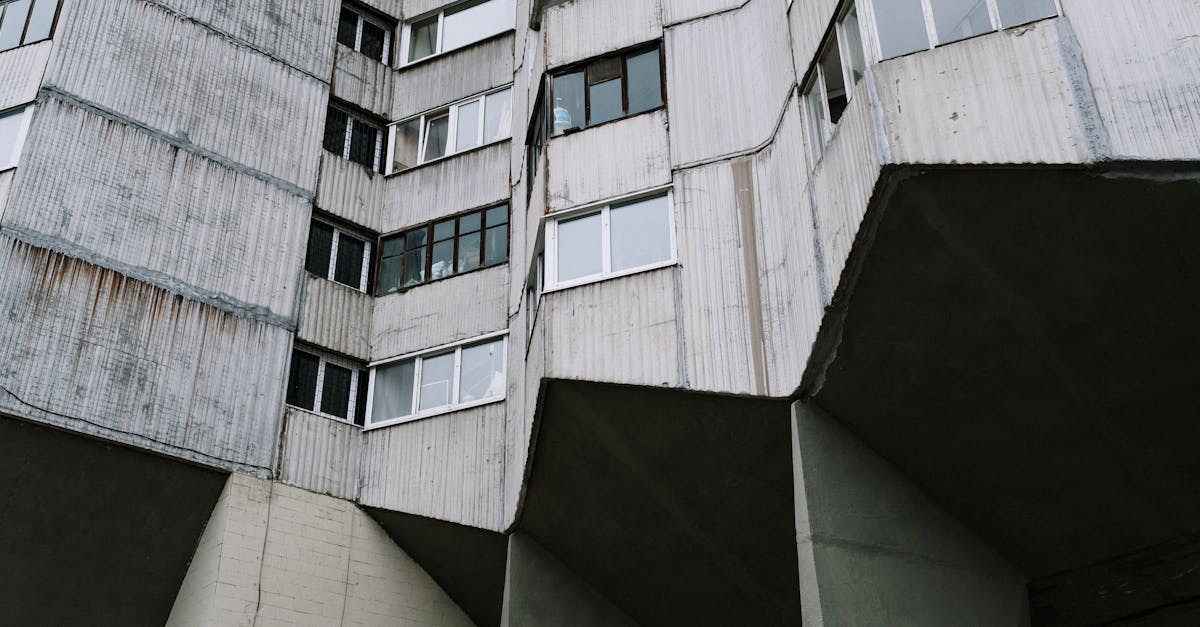
To understand brutalism graphic design, you have to start with buildings. The term “brutalism” comes from the French béton brut, meaning raw concrete. In the 1950s and 1960s, architects like Le Corbusier, Alison and Peter Smithson, and Ernö Goldfinger began designing structures that made no attempt to hide their materials. Concrete was left unfinished. Steel was exposed. The buildings were massive, blocky, and unapologetically functional. They prioritized honest construction over decorative appeal.
Brutalist architecture was never universally loved. Many people found the buildings oppressive, even hostile. But architects saw them as truthful — structures that refused to disguise what they were made of or how they were built.
Decades later, that same philosophy migrated to the screen. Around 2014 to 2016, a wave of websites began appearing that rejected the slick conventions of modern web design. No hero images. No smooth gradients. No carefully curated color palettes. Instead, these sites used default system fonts, raw HTML styling, stark backgrounds, and layouts that felt deliberately unfinished. Pascal Deville’s brutalistwebsites.com, launched in 2014, became the de facto archive of this movement, cataloguing hundreds of sites that embraced the aesthetic.
From web design, brutalism spread into print, branding, and graphic design more broadly. The movement found natural allies in earlier anti-design traditions — punk zine culture of the 1970s, the Dada collages of the 1920s, the deconstructivist typography experiments of the 1990s. Brutalist design was not entirely new. It was the latest expression of a recurring impulse: the urge to tear down established rules and build something raw in their place.
Key Characteristics of Brutalist Design
Brutalist graphic design is not a single look. It is more of an attitude — a commitment to rawness that can manifest in many ways. Still, certain characteristics appear again and again across brutalist work.
Raw Typography
Type in brutalist design is never decorative for its own sake. You will see monospaced fonts, system fonts like Courier or Times New Roman, and typefaces chosen specifically because they feel utilitarian or unglamorous. The choice stands in stark contrast to refined options like Helvetica. Letters may be oversized, tightly packed, or stacked in ways that challenge readability. Typography becomes a structural element rather than a polished surface.
Harsh Color Palettes
Brutalist work often uses high-contrast color combinations that feel aggressive: black and white, neon green on black, red on yellow, or combinations that seem to vibrate against each other. The palette is never soothing. If a color scheme makes you slightly uncomfortable, it is likely doing its job.
Extreme Approaches to Whitespace
Some brutalist designs cram elements together with almost no breathing room, creating dense, claustrophobic layouts. Others use vast expanses of emptiness, leaving a single line of text floating in an ocean of blank space. Both approaches reject the carefully balanced whitespace of conventional design.
Visible Structure
Where most design conceals its underlying grid, brutalist design exposes it. Borders are visible. Columns are obvious. The scaffolding that holds a layout together is not hidden — it is put on display, much like the exposed concrete and steel of a brutalist building.
No Polish or Refinement
Brutalist work avoids the smooth finishes that dominate mainstream design. No subtle drop shadows. No carefully rounded corners. No gentle gradients. Edges are hard. Surfaces are flat. Everything feels deliberately unfinished.
Asymmetry and Broken Grids
Alignment is treated as a suggestion, not a rule. Elements may be placed off-center, rotated at odd angles, or sized in ways that defy conventional hierarchy. The result feels unstable, energetic, and sometimes disorienting.
Anti-Hierarchy
Traditional graphic design principles emphasize clear visual hierarchy — guiding the viewer’s eye from the most important element to the least. Brutalism often flattens or inverts this hierarchy. Headlines may be smaller than body text. Navigation may be buried. The viewer is forced to engage actively rather than being led passively through the content.
Brutalism vs. Minimalism: Two Sides of the Same Rejection
On the surface, brutalism and minimalism look like opposites. Minimalism is clean, restrained, and elegant. Brutalism is rough, confrontational, and loud. But the two movements share a surprising amount of common ground.
Both reject ornamentation. Neither has any interest in decorative flourishes for their own sake. Both strip design down to something essential. The difference lies in what each movement considers essential — and what each is willing to show.
Minimalism hides complexity. It creates the illusion of simplicity by concealing the systems and structures underneath. A minimalist interface feels effortless, but that effortlessness is carefully engineered. Every pixel is deliberate. Every element is refined until it disappears into the whole.
Brutalism exposes complexity. It shows you the seams, the rough edges, the underlying mechanics. Where minimalism says “look how simple this is,” brutalism says “look at everything that goes into this.” It is honest to the point of discomfort.
Both approaches have their own form of integrity. Minimalism respects the viewer’s time by reducing friction. Brutalism respects the viewer’s intelligence by refusing to simplify. The tension between these two philosophies has shaped much of contemporary design discourse.
Famous Examples of Brutalist Design
Brutalism has left its mark across digital and print design, branding, and visual culture more broadly. Some of the most notable examples demonstrate the range the movement is capable of.
Brutalist Websites
Bloomberg’s 2015 website redesign shocked the design world with its dense, text-heavy layouts and deliberately overwhelming information architecture. It treated the screen as a newspaper — packed, layered, and unapologetically complex.
Craigslist, though never intentionally brutalist, became a kind of accidental icon for the movement. Its plain HTML, unstyled text links, and complete absence of visual design embody brutalist principles without trying. It works precisely because it makes no effort to look good.
The website for the Guggenheim Museum’s online archive has also been cited as a brutalist reference point, with its stripped-back interface and emphasis on content over presentation.
Brutalist Print Design
The zine tradition has always been brutalist in spirit — photocopied pages, hand-cut collages, typewriter text, and layouts assembled with glue and instinct rather than grids and guidelines. The punk zines of the 1970s and 1980s, from Sniffin’ Glue to Search & Destroy, established a visual language of raw urgency that brutalist graphic designers continue to draw on today.
Concert posters and flyers for underground music scenes — particularly in punk, noise, and experimental electronic genres — remain a stronghold of brutalist print work. The typographic poster tradition has a long history of pushing type to its limits, and brutalist designers take that legacy further than most.
Brutalist Branding
Fashion labels have been some of the most enthusiastic adopters of brutalist aesthetics. Brands like Vetements, Balenciaga (under Demna Gvasalia’s creative direction), and various independent streetwear labels have used stark typography, industrial color palettes, and deliberately austere packaging. The message is clear: this is not for everyone, and that exclusivity is the point.
Music labels, particularly in the electronic and experimental space, have also embraced brutalism. Record sleeves with monospaced type, unprocessed photography, and stripped-back layouts signal a commitment to substance over surface.
David Carson: The Proto-Brutalist
Before brutalism had a name in graphic design, David Carson was already practicing its principles. His work as art director of Ray Gun magazine in the early 1990s broke every typographic convention — text set in Zapf Dingbats, overlapping columns, images bleeding off edges in unexpected directions. Carson is often grouped with famous graphic designers who reshaped the field, and his influence on brutalist design is impossible to overstate. He proved that breaking the rules was not just rebellious — it could be a coherent design philosophy.
Brutalist Typography: Type as Structure and Weapon
Typography sits at the heart of brutalist graphic design. Where conventional design uses type to communicate content clearly and attractively, brutalism uses type as a structural material — and sometimes as an act of aggression.
Oversized and Overlapping
Brutalist layouts frequently feature type scaled far beyond what readability demands. Headlines that fill an entire page. Characters that overlap and collide. Text that bleeds off the edge of the canvas. The effect is immersive and overwhelming — the viewer is inside the type rather than reading it from a comfortable distance.
Clashing Weights and Styles
Mixing an ultra-thin sans-serif with a heavy slab-serif in the same composition is standard brutalist practice. The clash is intentional. Where traditional typographic practice seeks harmony between typefaces, brutalism seeks tension. Pairing fonts that fight each other creates visual friction that demands attention.
System Fonts Used Deliberately
There is a specific power in using Courier New, Times New Roman, or Arial — fonts most designers consider defaults to be overridden — as deliberate choices. In brutalist work, these system fonts carry meaning. They signal a rejection of typographic sophistication. They say: the message matters more than how it looks. Using a “boring” font on purpose becomes a statement in itself.
Broken Grids and Anti-Alignment
Text in brutalist design does not sit neatly on a baseline. Lines of type may be scattered across a page, rotated, stacked vertically, or arranged in patterns that have more to do with visual rhythm than readability. The grid — the foundational organizing principle of most graphic design — is acknowledged and then deliberately violated.
How to Create Brutalist Designs: A Practical Guide
Brutalism might look chaotic, but creating effective brutalist work requires deliberate decision-making. Here is how to approach it.
Start with System Fonts
Before reaching for a custom typeface, try building your design with default system fonts. Courier, Arial, Georgia, Times New Roman — these are the raw materials of brutalist typography. Use them at unexpected sizes and in unexpected combinations. Let the “ugliness” of a default font become a design feature.
Use Harsh Contrast
Push your color contrast to extremes. Black text on a white background is brutalist in its simplicity. Neon green on black is brutalist in its aggression. Avoid middle grounds — no soft grays, no muted pastels, no gentle transitions. Every color choice should feel like a decision, not a default.
Embrace Imperfection
Resist the urge to clean things up. If an element looks slightly off, leave it. If a scan has artifacts, keep them. If a photograph is overexposed or grainy, use it as-is. Brutalist design finds beauty in roughness. The imperfections are not flaws — they are evidence that a human made this.
Break Alignment Deliberately
Set up a grid, then break it. Place an element slightly off its expected position. Rotate a text block two degrees. Let an image extend past the margin. The key word is “deliberately” — random chaos is not brutalism. The breaks should feel intentional, like a musician playing a dissonant chord on purpose.
Use Raw, Unprocessed Images
Skip the color correction. Forget the careful retouching. Use images that feel unmediated — low resolution, high grain, harsh flash, unexpected framing. Photocopy an image and scan the photocopy. Print it and photograph the print. Each layer of degradation adds rawness.
Expose the Construction
Show your borders. Make your columns visible. Use rules and dividers. Let the viewer see how the layout is built. Think of it as architectural honesty — the same principle that led brutalist architects to leave concrete unfinished.
When Brutalism Works — and When It Does Not
Brutalist design is powerful, but it is not universally appropriate. Understanding where it thrives and where it fails is essential for using it effectively.
Where Brutalism Excels
Culture and the arts. Museums, galleries, film festivals, and cultural institutions can use brutalism to signal intellectual seriousness and avant-garde credibility. The aesthetic says: this is challenging, and we expect our audience to rise to the challenge.
Music. From punk to electronic to experimental, music has always had a close relationship with raw visual aesthetics. Album covers, concert posters, and label branding are natural homes for brutalist design.
Fashion. Particularly in high fashion and streetwear, brutalism communicates exclusivity and edge. It signals that a brand is not trying to appeal to everyone — a quality that, paradoxically, makes it more appealing to its target audience.
Editorial design. Magazines, newspapers, and digital publications that want to stand out in a sea of sameness can use brutalist elements to create visual distinction. The discomfort is productive — it makes readers pay attention.
Art and experimental projects. Any context where the audience expects to be challenged is fertile ground for brutalism. Student work, personal projects, artistic portfolios, and experimental publications all benefit from the freedom brutalism provides.
Where Brutalism Fails
Healthcare. When someone is looking for medical information or navigating a health system, they need clarity, warmth, and reassurance. Brutalist design offers none of these. The rawness that feels exciting in a cultural context feels hostile in a healthcare one.
Financial services. Trust is the currency of finance. Banks, investment firms, and insurance companies need to project stability and reliability. Brutalism’s deliberate instability undermines the very qualities these institutions need to communicate.
Children’s brands. Brutalism’s harshness is fundamentally at odds with the warmth, playfulness, and approachability that children’s products and services require. What reads as “honest” to an adult audience reads as “scary” to a young one.
Accessibility-critical contexts. Any design that must serve users with visual impairments, cognitive disabilities, or limited technical literacy should prioritize usability over aesthetic statement. Brutalism’s willingness to sacrifice readability for impact makes it a poor choice in these situations.
The lesson is straightforward: brutalism works when the audience is prepared to be challenged. It fails when the audience needs to be helped.
Frequently Asked Questions
What is brutalist graphic design?
Brutalist graphic design is a visual approach that prioritizes rawness, honesty, and structural exposure over polish and refinement. Inspired by brutalist architecture — which left concrete and steel unfinished and visible — brutalist graphic design uses harsh typography, stark color palettes, broken grids, and deliberately unpolished layouts. The movement rejects the sleek conventions of mainstream design in favor of work that feels confrontational, honest, and unapologetically rough. It emerged as a recognizable graphic design movement around 2014 to 2016, initially in web design before spreading to print, branding, and visual culture more broadly.
How is brutalist design different from bad design?
The difference lies in intention. Bad design breaks rules because the designer does not know them. Brutalist design breaks rules because the designer understands them thoroughly and has chosen to violate them for a specific purpose. Every “ugly” element in a brutalist composition is a deliberate decision — the harsh font pairing, the clashing colors, the broken alignment. Brutalist designers are making a statement about what design can and should be. Truly bad design has no such awareness. You can usually feel the difference: brutalist work has an internal consistency and confidence that accidental ugliness lacks.
Can brutalist design be accessible?
It depends on the implementation. Some brutalist principles — like high contrast and simple typography — can actually support accessibility. Black text on a white background at a large size is both brutalist and highly readable. However, many brutalist techniques — overlapping text, broken hierarchy, extreme asymmetry, and anti-readability type treatments — work directly against accessibility standards. Designers interested in brutalism who also need to meet accessibility requirements should focus on the movement’s structural honesty and material rawness rather than its more extreme typographic experiments.
Is brutalism just a trend, or is it here to stay?
Brutalism is both a trend and something deeper. As a specific aesthetic — the monospaced fonts, the stark black-and-white palettes, the exposed grid lines — it will inevitably evolve and eventually feel dated, as all visual trends do. But the underlying impulse behind brutalism — the rejection of polish, the desire for honesty, the rebellion against design conventions — is a recurring force in design history. It appeared in Dada, in punk, in deconstructivism, and now in brutalism. When the current wave fades, the same impulse will resurface under a different name. The raw aesthetic is not going away. It will simply find new forms.