Shades of Indigo: Names and Hex Codes
This is a practical reference for the most useful shades of indigo, with accurate hex codes, RGB values, and notes on character and use. Indigo sits on the spectrum between blue and violet — deeper and more mysterious than blue, cooler and more grounded than purple. Small shifts toward blue, violet, or black turn it from a vivid electric hue into a moody denim-leaning dye or a soft lavender-adjacent pastel, so the right indigo depends entirely on the mood you want. Use the table below as a citable palette, then read on for how the shades group together.
For how indigo compares with its close relatives, see indigo vs violet and indigo vs navy; for the symbolism, read color psychology. The neighbouring purples are covered in our shades of violet reference.
Shades of indigo: full table
| Shade name | Hex | RGB | Notes |
|---|---|---|---|
| Indigo | #4B0082 | 75, 0, 130 | CSS named indigo; deep blue-violet. |
| Electric Indigo | #6F00FF | 111, 0, 255 | Bright, vivid blue-violet. |
| Indigo Dye | #00416A | 0, 65, 106 | Deep denim-leaning blue indigo. |
| Tropical Indigo | #9683EC | 150, 131, 236 | Soft pastel blue-violet. |
| Blue-Violet | #8A2BE2 | 138, 43, 226 | CSS blueviolet; bright violet edge. |
| Deep Indigo | #310062 | 49, 0, 98 | Dark, near-black blue-purple. |
| Ultramarine Indigo | #3F00FF | 63, 0, 255 | Electric blue with violet pull. |
| Indigo Blue | #2E2D88 | 46, 45, 136 | Muted dark blue-indigo. |
| Dark Indigo | #264348 | 38, 67, 72 | Deep teal-leaning indigo. |
| Indigo Purple | #4B369D | 75, 54, 157 | Balanced violet-leaning indigo. |
| Midnight Indigo | #1A1A40 | 26, 26, 64 | Near-black inky indigo. |
| Iris Indigo | #5D3FD3 | 93, 63, 211 | Bright periwinkle-violet indigo. |
| Royal Indigo | #3F2B96 | 63, 43, 150 | Rich, regal deep indigo. |
| Slate Indigo | #6A5ACD | 106, 90, 205 | CSS slateblue; muted blue-violet. |
| Denim Indigo | #283750 | 40, 55, 80 | Faded blue-jean indigo. |
| Indigo Tint | #4F69C6 | 79, 105, 198 | Brighter blue-leaning indigo. |
| Medium Slate Indigo | #7B68EE | 123, 104, 238 | CSS mediumslateblue; soft vivid. |
| Pale Indigo | #9FA8DA | 159, 168, 218 | Light dusty pastel indigo. |
| Indigo Black | #1F1147 | 31, 17, 71 | Deepest near-black indigo. |
| Bright Indigo | #4666FF | 70, 102, 255 | Vivid electric blue-indigo. |
| Plum Indigo | #553592 | 85, 53, 146 | Warmer purple-leaning indigo. |
| Twilight Indigo | #34316E | 52, 49, 110 | Dusky deep blue-violet. |
| Indigo Mist | #C3B1E1 | 195, 177, 225 | Very pale lavender-indigo. |
| Pigment Indigo | #3C0080 | 60, 0, 128 | Saturated print-style indigo. |
Deep, near-black indigos
The classic indigos are dark and brooding. Indigo (#4B0082), Deep Indigo (#310062), Indigo Black (#1F1147), and Midnight Indigo (#1A1A40) are deep enough to anchor a layout the way navy or black would, but they carry a violet richness that pure dark blue lacks. The CSS named Indigo at #4B0082 is the reference point for the whole family — a true blue-violet that feels mysterious and contemplative. These deep tones suit premium tech, astronomy and night-sky themes, and any palette that wants gravity with a hint of magic. For where deep indigo separates from a dark blue, see indigo vs navy.
Electric and bright indigos
Push indigo toward saturation and it becomes vivid and energetic. Electric Indigo (#6F00FF), Ultramarine Indigo (#3F00FF), Bright Indigo (#4666FF), and Iris Indigo (#5D3FD3) are the glowing, screen-native blue-violets used in gradients, gaming, and futuristic branding. Electric Indigo in particular is a maximum-saturation hue that almost vibrates on a display, which makes it ideal for accents and calls to action but overwhelming as a large background fill. Blue-Violet (#8A2BE2) sits at the violet edge of this group, brushing up against true purple — see indigo vs violet for where the line falls.
Denim and blue-leaning indigos
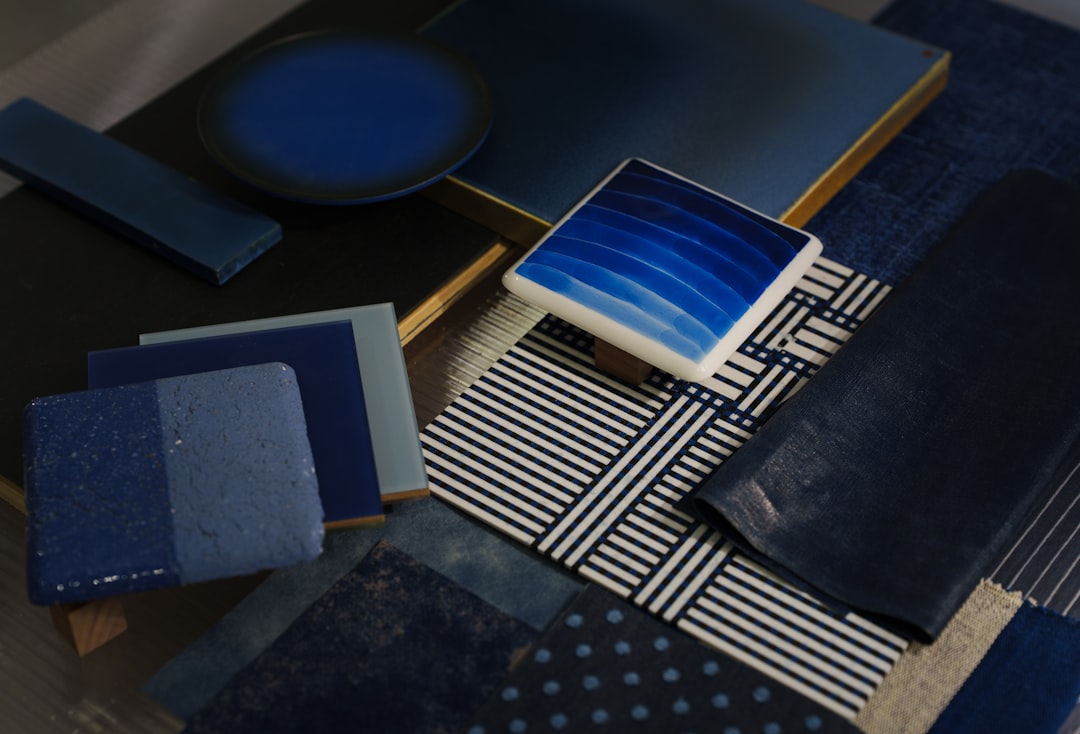
The original indigo was a dye, and the bluest shades remember that. Indigo Dye (#00416A), Denim Indigo (#283750), Indigo Blue (#2E2D88), and Dark Indigo (#264348) lean toward blue and even teal, evoking workwear, raw denim, and traditional textiles. These muted, slightly faded blues feel grounded, authentic, and a little vintage, which is why they suit heritage and craft brands far better than the electric variants. They pair beautifully with raw cotton, indigo-dyed fabric tones, and warm tan neutrals.
Soft and pastel indigos
Lighten and desaturate indigo and it turns gentle. Tropical Indigo (#9683EC), Pale Indigo (#9FA8DA), Indigo Mist (#C3B1E1), and Slate Indigo (#6A5ACD) are soft, approachable blue-violets that read as calm, dreamy, and a little ethereal. These pastel indigos work for wellness, beauty, and digital products that want the depth of indigo without the heaviness. As they lighten they edge toward lavender and periwinkle, so use a deeper indigo alongside them to keep the palette from drifting into generic pastel territory.
Choosing the right indigo shade
The fastest way to pick an indigo is to decide what you want it to do. For a dark anchor that replaces black, reach for the deep, near-black indigos; for a glowing accent or gradient, reach for the electric blue-violets; for a heritage or craft feel, reach for the denim-leaning dyes; and for a soft, calming surface, reach for the pastels. Keep your chosen indigos on the same side of the blue-violet line so they read as a family rather than a clash — mixing a very blue indigo dye with a very violet electric indigo in equal amounts can look unintentional. A simple, reliable formula is one deep indigo, one bright indigo, and one pale indigo or neutral, which gives you depth, an accent, and breathing room without the palette feeling busy.
Most popular shades of indigo
The indigos most people name and use are Indigo (#4B0082) as the deep baseline, Electric Indigo (#6F00FF) for a vivid screen-native option, Indigo Dye (#00416A) for the traditional denim tone, Tropical Indigo (#9683EC) for a soft pastel, and Blue-Violet (#8A2BE2) for the violet edge. Together they cover near-black through electric to pale, which is why they anchor most thoughtful, slightly mystical palettes.
How to use shades of indigo in design
Indigo is the bridge between blue’s calm and purple’s creativity, so it grounds palettes that want intelligence with a touch of imagination. Use deep indigos like Indigo and Midnight Indigo as a near-black anchor for text and backgrounds; use electric indigos like Electric Indigo and Iris Indigo sparingly as accents, gradients, and interactive states; and use pastel indigos like Tropical Indigo for soft fills and supportive UI. Indigo pairs beautifully with white, gold, blush, teal, and warm neutrals, evoking depth, focus, and quiet originality. The main risk is that high-saturation indigos vibrate against pure red or orange, so temper them with neutrals and reserve them for small areas. A reliable approach treats a deep indigo as your dark anchor, a single electric indigo as the accent, and a pale indigo or neutral for backgrounds, all sharing the same blue-violet undertone. Because indigo signals intuition and depth, it suits tech, beauty, and creative brands particularly well, reading as contemplative and quietly original wherever it appears.
Frequently Asked Questions
What is the hex code for indigo?
The CSS named color “indigo” is #4B0082 (RGB 75, 0, 130), a deep blue-violet. For a bright, electric version use Electric Indigo (#6F00FF), and for the traditional denim-dye tone use Indigo Dye (#00416A). A soft pastel option is Tropical Indigo (#9683EC).
What is the difference between indigo and violet?
Indigo (#4B0082) sits between blue and violet on the spectrum and leans bluer, reading as deep and contemplative, while violet (#7F00FF) leans more toward red-purple and feels brighter and more playful. Indigo is darker and moodier; violet is more vivid. The dividing line falls around blue-violet (#8A2BE2).
How many shades of indigo are there?
Indigo variations are effectively limitless because indigo spans the blue-to-violet band, but designers typically reference 20 to 30 named shades. This list includes 24 of the most recognized, from near-black midnight indigo through electric blue-violets to soft pastel and denim-dye tones.
What colors go well with indigo?
Indigo pairs naturally with white, cream, gold, and warm tan for an elegant, grounded palette. For contrast, combine indigo with coral, blush pink, or mustard. Cooler indigos also work alongside teal and silver for a calm, modern, slightly mystical scheme.