Colors That Go With Baby Blue
Baby blue is a pale, soothing blue — gentle, fresh, and instantly calming. The best colors that go with baby blue are light neutrals like white and gray, deepened by navy and warmed by peach, blush, or a touch of yellow. Below are exact hex codes, ready palettes, and notes on using baby blue in branding, web design, and interiors.
What colors go with baby blue?
Baby blue (around #89CFF0) is a soft, desaturated sky blue. Because it’s so light and cool, it pairs best with crisp whites, a deeper blue anchor, and gentle warm tones that keep it from feeling cold. The strongest matches are:
- White (#FFFFFF) — clean space that keeps baby blue feeling fresh, airy, and weightless.
- Navy (#13294B) — a deep blue anchor that gives baby blue structure and grown-up contrast.
- Peach (#FFCBA4) — a soft warm tone that complements the cool blue for a tender, modern pairing.
- Gray (#8A8D91) — a quiet neutral that grounds baby blue and keeps a palette calm and refined.
- Yellow (#F5D547) — a cheerful warm accent that brings sunny energy to baby blue’s softness.
- Blush (#F4C2C2) — a pale pink that pairs with baby blue for a classic, soft pastel palette.
Best color combinations for baby blue
Baby blue sits opposite soft oranges on the color wheel, which makes peach and yellow its natural complementary colors and the source of its gentlest contrast. White and gray act as neutral resting points, while navy is a deeper analogous partner. If you’re unsure exactly which pale blue you have, our powder blue vs baby blue and sky blue vs baby blue comparisons help you place the tone before you build a palette.
Baby blue + white + navy (clean and classic)
The most versatile pairing. White keeps it light, navy adds depth and authority, and baby blue stays the soft focal point — a go-to for nursery, coastal, and healthcare design.
Baby blue + peach + cream (soft and warm)
Peach and baby blue make a tender pastel duo. Cream warms the whole scheme so it feels cozy rather than chilly — ideal for baby, beauty, and lifestyle branding.
Baby blue + yellow + white (cheerful and fresh)
Sunny yellow lifts baby blue into something playful and bright. White keeps it clean and airy — a happy combination for kids’ products and spring campaigns.
Baby blue palettes with hex codes
| Pairing color | Hex | Why it works / mood |
|---|---|---|
| White | #FFFFFF | Clean space; airy and fresh |
| Navy | #13294B | Deep anchor; structured contrast |
| Peach | #FFCBA4 | Soft warm complement; tender |
| Gray | #8A8D91 | Neutral balance; calm |
| Yellow | #F5D547 | Cheerful accent; sunny energy |
| Blush | #F4C2C2 | Soft pink; classic pastel pair |
| Cream | #F5EFE6 | Warm neutral; cozy softness |
Three ready palettes to copy:
- Clean classic: Baby Blue #89CFF0 · White #FFFFFF · Navy #13294B · Gray #8A8D91
- Soft warm: Baby Blue #89CFF0 · Peach #FFCBA4 · Cream #F5EFE6 · Blush #F4C2C2
- Cheerful fresh: Baby Blue #89CFF0 · Yellow #F5D547 · White #FFFFFF · Gray #8A8D91
How to build a balanced baby blue palette
Baby blue is light and recessive, so it works well as a large field that other colors punctuate. A reliable structure is roughly 50–60% baby blue or white, 20–30% a deeper anchor like navy or gray, and 10–20% a warm accent like peach, blush, or yellow. The warm accent is what stops a pale blue scheme from feeling washed out.
Baby blue’s undertone changes its best partners. A cooler, icier baby blue (closer to #89CFF0) loves crisp white and navy for a coastal look, while a warmer, grayer baby blue leans toward peach, cream, and blush for softness. Hold your tone against both a white and a cream swatch to see which one keeps it looking clean. Understanding whether your scheme leans warm or cool helps too — see warm vs cool colors.
A simple way to test a baby blue palette is the 60-30-10 rule: 60% dominant, 30% secondary, 10% accent. Baby blue usually works best as the 60% dominant field with white or gray secondary and a 10% peach, blush, or yellow accent. If you instead push a deeper navy to dominant and use baby blue at 30%, the scheme reads more grown-up and nautical rather than soft and pastel — both are valid, so test which suits the project.
Because baby blue is so pale, contrast is the main challenge: baby-blue text on white nearly disappears. For digital and brand use, set navy or charcoal text on baby blue backgrounds, use baby blue itself for large surfaces rather than fine type, and always check that pale-on-pale combinations meet accessibility contrast.
Colors to avoid with baby blue
Baby blue is soft and cool, so a few combinations overwhelm it:
- Bright neon or saturated primaries — these overpower baby blue and erase its calming, delicate quality.
- Muddy brown alone — a heavy, dull brown can make baby blue look faded rather than fresh.
- Pure black as the main neutral — too harsh against such a soft tint; navy or charcoal flatter baby blue far more.
Baby blue in branding vs interiors
In branding, baby blue signals calm, trust, gentleness, and care, which suits healthcare, baby, beauty, and wellness brands. Pair it with white and a navy accent for a soft yet credible identity, and use deeper text colors so it stays legible. For the full process, see how to choose brand colors.
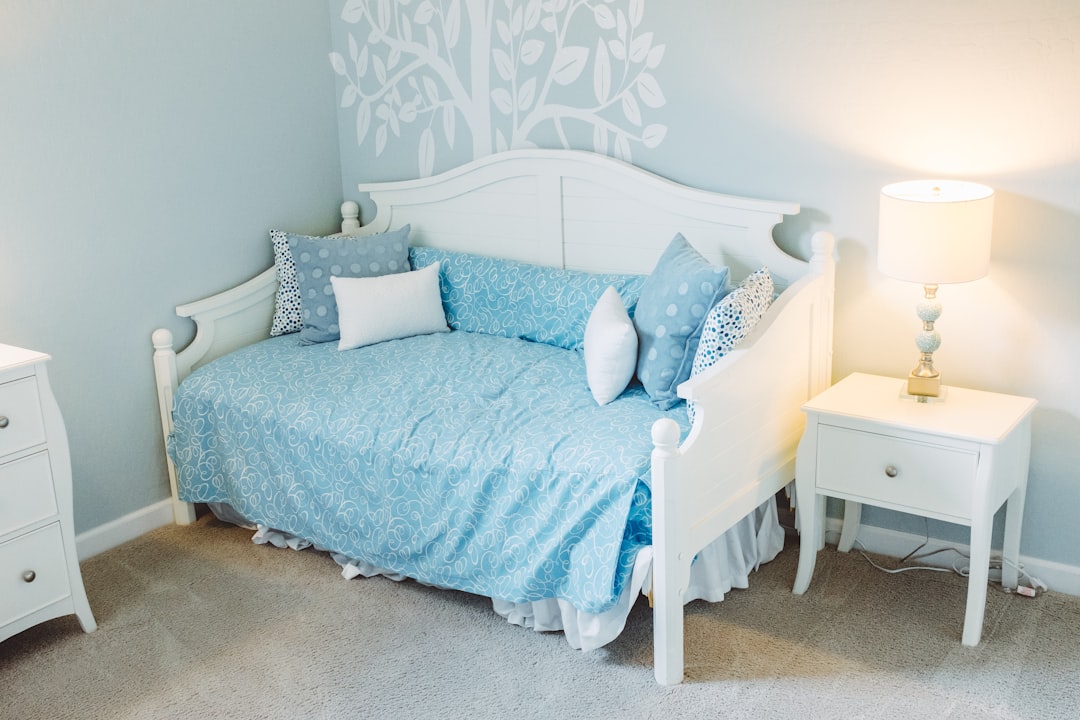
In interiors, baby blue is a calming wall or textile color — perfect for nurseries, bedrooms, and bathrooms — against white trim and natural wood. Navy and gray accessories add definition, while peach and blush keep it warm. Because it reads cool, balance it with warm woods and cream textiles so a room feels cozy rather than clinical.
Frequently Asked Questions
What is the best color to pair with baby blue?
White (#FFFFFF) is the best everyday partner for baby blue because it keeps the palette light and fresh. For contrast and structure, navy (#13294B) is the strongest anchor, while peach and blush add the gentle warmth that stops baby blue from feeling cold.
Does baby blue go with gray?
Yes. Gray is one of the easiest neutrals to pair with baby blue because it grounds the soft blue without competing. Cool, mid-tone grays keep the scheme calm and modern; very warm beige-grays can muddy baby blue, so a more neutral gray gives the cleaner result.
What colors go with baby blue for a nursery?
For a nursery, baby blue pairs beautifully with white, gray, cream, and soft peach or blush. White and gray keep it serene and gender-neutral, while peach or yellow accents add a warm, cheerful lift. Navy details give the scheme a little grown-up structure.
Is baby blue a warm or cool color?
Baby blue is a cool color — it sits in the blue family and feels calm and recessive. That coolness is exactly why warm partners like peach, blush, and yellow balance it so well, and why all-cool pastel schemes can feel a little chilly without a warm accent.