Topaz vs Yellow: What’s the Difference?
The topaz vs yellow difference comes down to warmth and orange depth. Topaz is a warm, golden-orange tone named after the gemstone, with a soft amber glow. Yellow is the pure primary hue with no orange mixed in. Both are warm and cheerful, but topaz reads honeyed and luxurious where pure yellow reads bright and elemental.
What is topaz?
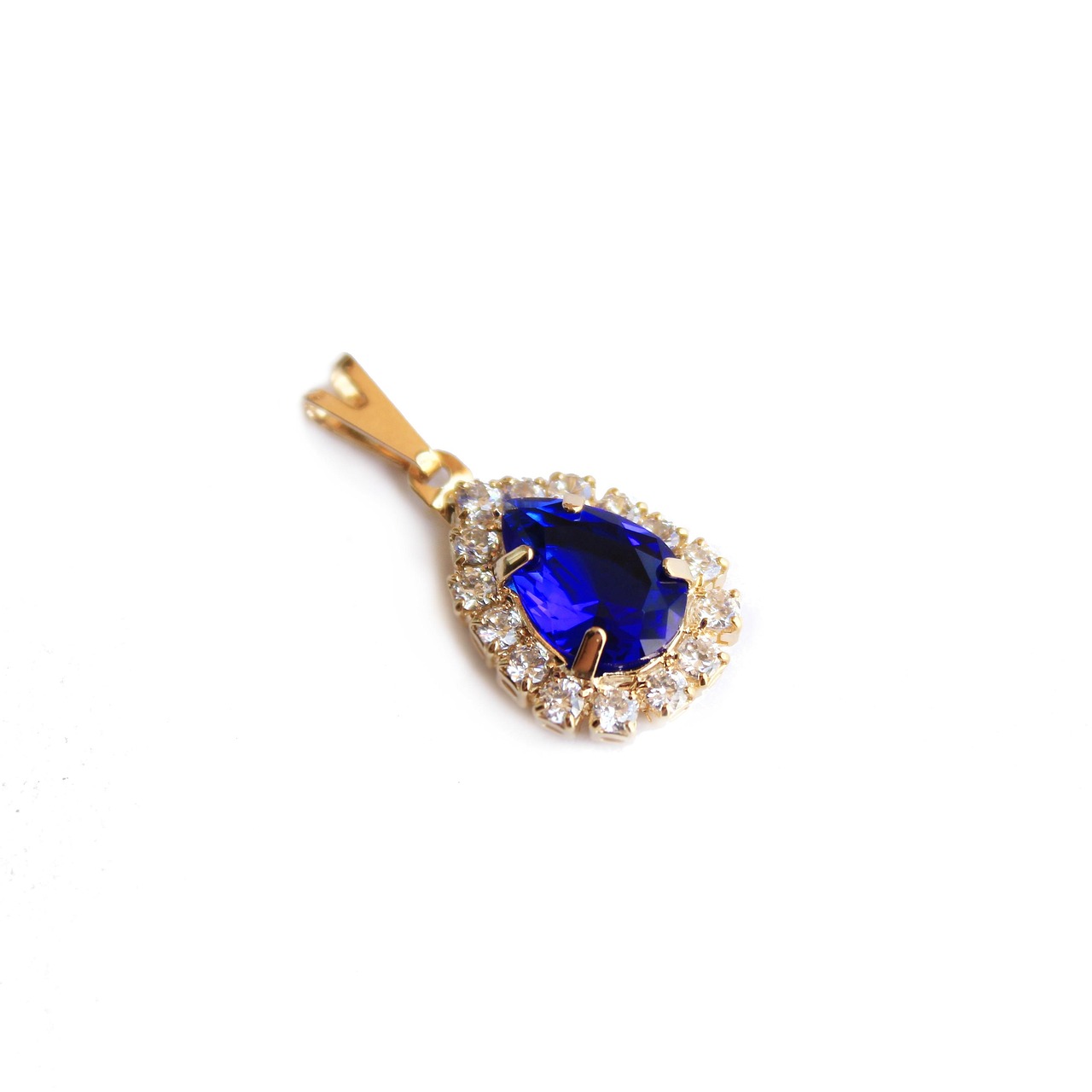
Topaz is a warm, golden-orange color taking its name from the gemstone, which famously ranges through honey, amber, and golden tones. A representative web value is #FFC87C, a soft golden hue that leans toward orange. What defines topaz is that amber warmth: it is yellow pulled toward gold and orange, giving it a honeyed, luminous depth rather than the flat brightness of pure yellow. As a gemstone name, topaz carries connotations of warmth, abundance, and understated luxury, which is why it reads richer and cozier than a primary yellow.
For how this warm hue registers emotionally, our yellow color meaning guide covers the optimism, energy, and warmth the whole yellow family conveys.
What is yellow?
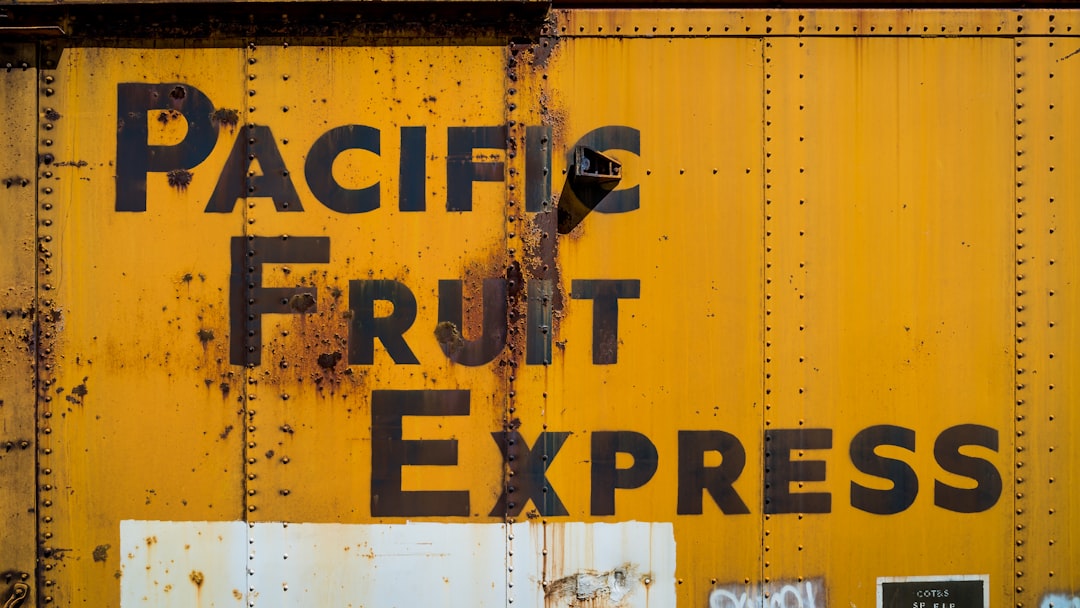
Yellow is the pure primary hue — the brightest, most luminous color to the human eye. The pure digital yellow is #FFFF00, full red and green light with no blue. Compared with topaz, pure yellow has no orange pulling it warmer or deeper, so it reads sharper, lighter, and more elemental. It is the universal yellow of caution signs, highlighters, and primary palettes — direct, energetic, and instantly visible. Yellow is the broad family that topaz belongs to on its warmer, golden side.
Where topaz feels honeyed and rich, pure yellow feels bright and immediate, which is why the two read so differently despite sharing a warm base.
What’s the difference between topaz and yellow?
The defining difference is the orange lean and depth. Topaz carries a warm golden-orange tilt that makes it honeyed and luxurious; pure yellow has none, so it reads brighter, lighter, and more elemental. Here is a side-by-side with representative values — both terms span ranges, so treat these as reference points.
| Property | Topaz | Yellow |
|---|---|---|
| Hex code | #FFC87C | #FFFF00 |
| RGB | 255, 200, 124 | 255, 255, 0 |
| CMYK | 0, 22, 51, 0 | 0, 0, 100, 0 |
| Undertone | Warm, golden-orange | Warm, clean and pure |
| Hue family | Golden yellow-orange (topaz) | Pure yellow |
| Best used for | Luxury, warmth, autumn, refined gold accents | Caution, highlights, energy, bold branding |
| Mood/feel | Warm, honeyed, rich, cozy | Bright, cheerful, energetic, elemental |
When should you use each?
Use topaz when you want a yellow with warmth and richness. Its golden, honeyed quality suits luxury and jewelry branding, autumn and seasonal palettes, hospitality and food design, and accents that need to feel warm and premium rather than loud. Topaz pairs beautifully with cream, brown, deep teal, and white that let its glow read clearly.
Use yellow when you want maximum brightness, cheer, and visibility. Pure yellow suits caution and safety signage, highlights, children’s and food brands, and bold accents that need to grab attention immediately. Yellow pairs well with black, navy, white, and red.
To tell them apart in practice, look for the orange lean: if the yellow reads golden, deep, and honeyed, it is topaz; if it reads sharp, light, and almost neon, it is pure yellow. Our guide to warm vs cool colors explains how a touch of orange warms and deepens a yellow.
How are topaz and yellow used across design?
In branding, pure yellow signals energy, optimism, and value — it dominates budget retail, food, and entertainment identities that want to feel bold and immediate. Topaz signals warmth, abundance, and craftsmanship, appearing in luxury, hospitality, and jewelry brands that want a golden tone with depth. Pure yellow reads playful; topaz reads premium.
In fashion and interiors, topaz is a warm, golden statement color that reads cozy and luxurious, flattering as an accent in metallics, autumn textiles, or a feature piece. Pure yellow is brighter and more playful, used for high-energy statements. Topaz adds warmth and richness; pure yellow adds punch.
In UI and signage, pure yellow has a near-universal job: caution, highlights, and attention cues, because its brightness reads as urgent and is instantly visible. Topaz is used more for brand expression and warm, premium palettes than for warnings, since its golden depth reads as inviting rather than alarming. Designers reach for pure yellow when they need immediate visibility and topaz when they want a yellow that feels warm and luxurious. For the wider range, see our shades of yellow guide.
How can you tell topaz and yellow apart?
The defining test is to look for the orange lean. Topaz shows a warm golden-orange body with a honeyed depth — held next to pure yellow, it reads richer, warmer, and slightly darker, like sunlight through amber. Yellow has no orange, so it reads sharper, lighter, and almost neon by comparison. If a swatch looks like gold or honey, it is topaz; if it looks like a highlighter or caution sign, it is pure yellow.
A second check is association. Topaz evokes gemstones, gold, and autumn warmth — rich, cozy, and luxurious. Pure yellow evokes caution tape, highlighters, and primary palettes — direct and energetic. Place both side by side and topaz will appear to settle into a warmer, deeper gold while pure yellow jumps forward as the brighter, lighter of the two. The easiest tell is to imagine each as light: pure yellow glows sharp and bright, while topaz holds a warmer, honeyed, more sophisticated glow.
Do topaz and yellow go together?
Yes — because topaz is essentially a warmer, golden member of the yellow family, pairing the two creates a rich, sunlit palette with depth. A topaz base with pure-yellow accents reads warm yet bright, especially with cream or brown added to ground them. Topaz provides the golden warmth while pure yellow provides the spark. Explore the full range in our shades of yellow guide, see how another gemstone tone compares in our ruby vs red breakdown, and read color psychology for why yellows feel optimistic and energizing.
Frequently Asked Questions
Is topaz the same as yellow?
No. Topaz is a warm, golden-orange gem tone (around #FFC87C) with honeyed depth, while pure yellow (#FFFF00) has no orange and reads brighter, lighter, and sharper. Topaz is warmer and more golden; pure yellow is more elemental and vivid. The orange lean and depth are the defining differences.
Is topaz warmer than yellow?
Yes. Topaz carries a golden-orange lean that makes it warmer and deeper than pure yellow, which sits cleaner and brighter. That orange-tinged warmth gives topaz its honeyed, amber character, while pure yellow reads sharper and more neutral within the warm range. Topaz is the cozier of the two.
What is the hex code for topaz?
A common reference is #FFC87C, a soft golden-orange tone. Because topaz describes a gemstone that ranges through honey, amber, and gold rather than one fixed standard, it spans a wide range — from pale golden topaz to deeper, more orange “imperial” topaz that edges toward amber.
What colors go with topaz?
Topaz pairs beautifully with cream, brown, deep teal, navy, and white. Its golden warmth reads as a rich statement against cool tones and neutrals, while teal and navy in particular balance its warmth, making topaz a versatile accent in autumn, hospitality, and interior palettes.
Is topaz a shade of yellow or orange?
Topaz sits between the two — it is a golden yellow with a strong orange lean, which is why it reads as a warm amber-gold rather than a pure primary. As a gemstone color it ranges from pale yellow topaz toward deeper orange tones, so it can lean either way depending on the variety.