Garnet vs Burgundy: What’s the Difference?
The garnet vs burgundy question is about the undertone hiding inside a dark red. Garnet is a deep brownish-red named after the gemstone — earthy and warm, sometimes rendered brighter at #9B111E. Burgundy is a deep purplish-red named after the French wine region, with a distinct violet pull. Both are rich and luxurious, but their temperature differs.
What is garnet?
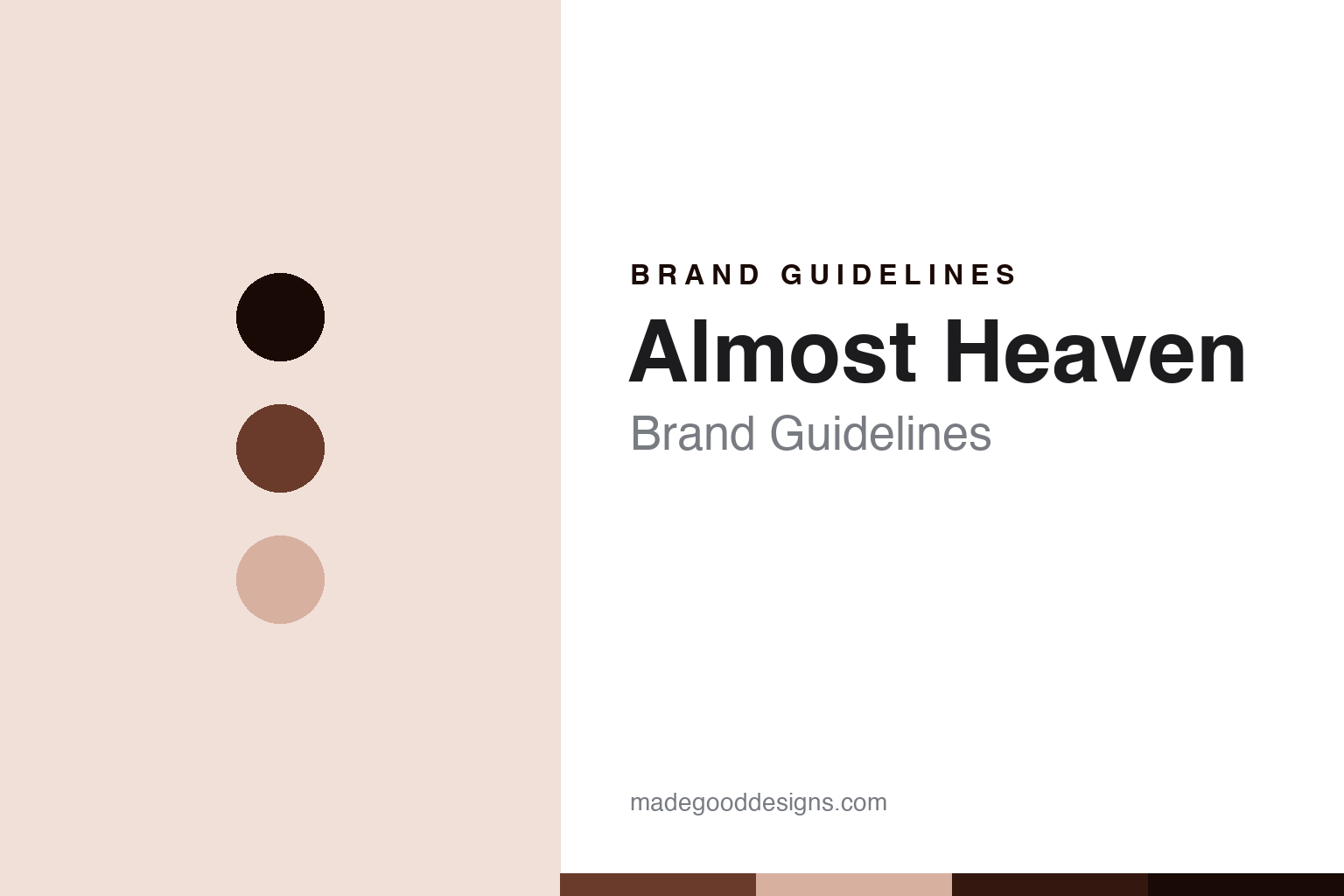
Garnet is a deep, warm red named after the garnet gemstone, which ranges from earthy brick to jewel-bright crimson. A muted representative value is #733635 — a brownish, grounded dark red — while a more vivid gemstone reading sits near #9B111E. The defining quality is its warm, slightly brown undertone, which gives garnet an antique, autumnal richness rather than a cool sheen. That warmth makes it feel cozy and traditional, pairing naturally with gold, cream, forest green, and warm woods.
If you are weighing garnet against other deep reds, our comparisons of garnet vs ruby and maroon vs burgundy cover the warm-versus-cool and brightness distinctions in detail.
What is burgundy?
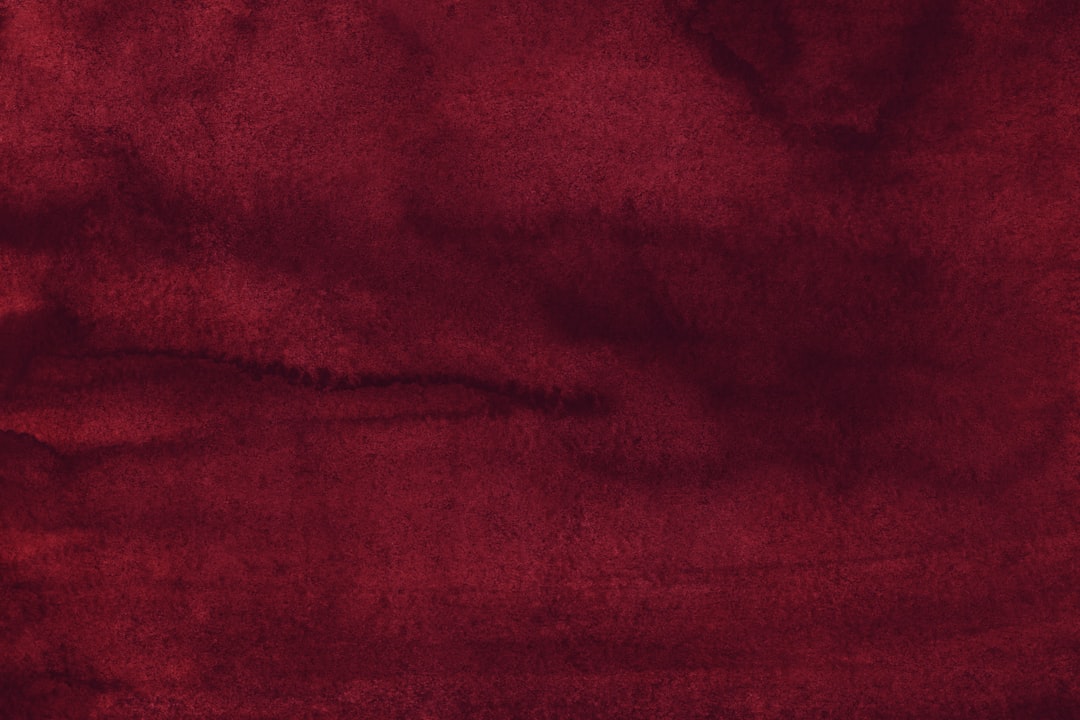
Burgundy is a deep purplish-red named after red Burgundy wine. The common value is #800020, a dark red with a clear violet lean that keeps it cool and refined. Compared with garnet, burgundy is more purple and less brown, which gives it a polished, sophisticated character rather than an earthy one. That wine association makes burgundy a perennial luxury and formal-wear color, pairing elegantly with blush, navy, gold, and deep greens.
The defining contrast: garnet leans warm-brown while burgundy leans cool-purple. For the full spread of dark reds, our shades of burgundy guide maps how the family shifts from brown-red to violet-red.
What’s the difference between garnet and burgundy?
The defining difference is undertone temperature. Garnet carries a warm, brownish-red undertone; burgundy carries a cool, purplish-red one. Both are deep and luxurious, but garnet reads earthy and antique while burgundy reads refined and wine-like. Here is a side-by-side with representative values — neither is a fixed brand standard, so exact hexes vary.
| Property | Garnet | Burgundy |
|---|---|---|
| Hex code | #733635 (or #9B111E) | #800020 |
| RGB | 115, 54, 53 | 128, 0, 32 |
| CMYK | 0, 53, 54, 55 | 0, 100, 75, 50 |
| Undertone | Warm, brown-red lean | Cool, purple-red lean |
| Hue family | Dark red (earthy) | Dark red (wine/violet) |
| Best used for | Heritage branding, autumn palettes, warm interiors | Luxury/formal wear, elegant branding, cool accents |
| Mood/feel | Earthy, antique, cozy, traditional | Refined, sophisticated, rich, formal |
When should you use each?
Use garnet when you want warmth, heritage, and an earthy depth. Its brown-red undertone suits autumnal palettes, heritage and craft branding, warm interiors, and holiday designs where the red should feel cozy and traditional. Garnet pairs naturally with gold, cream, forest green, camel, and warm wood tones.
Use burgundy when you want polish, formality, and a cool, wine-like richness. Its purple undertone suits luxury fashion, formal invitations, elegant packaging, and sophisticated branding where the red should read refined rather than rustic. Burgundy pairs elegantly with blush, navy, gold, and dusty pink.
To tell them apart in practice, check the undertone against a true red. Garnet shifts toward brown and warmth; burgundy shifts toward purple and coolness. Our guide to warm vs cool colors explains how this temperature split changes the mood of an otherwise similar dark red.
How are garnet and burgundy used across design?
In branding, garnet signals heritage, craftsmanship, and warmth — it appears in traditional, artisanal, and hospitality brands that want an established, inviting identity. Burgundy signals luxury, maturity, and sophistication, favored by wine, fashion, and premium service brands that want an elegant, cultivated mark. The choice maps onto whether a brand wants to read warm-traditional or refined-luxurious, a distinction explored in our color psychology guide.
In fashion, garnet is an autumn-winter staple for knitwear, leather, and warm-toned pieces that flatter warm complexions. Burgundy is the go-to for formal wear, evening pieces, and accessories that read sophisticated against cooler palettes. Both are deep reds, but garnet feels rustic-rich while burgundy feels polished-rich.
In interiors and web design, garnet warms a room as an accent wall, upholstery, or rug, glowing alongside wood and brass. Burgundy brings drama and formality to feature walls, velvet textures, and refined UI accents. Print behavior differs too: both are deep and can muddy on uncoated stock, but burgundy’s violet component is especially prone to shifting in CMYK, so brand-critical uses may need a spot color to hold the wine tone.
Do garnet and burgundy go together?
Yes — because both are deep reds, they harmonize in a rich, tonal scheme, though the warm-cool contrast means you should let one lead. Use garnet as the dominant warm base and burgundy as a cooler accent, or vice versa, and bridge them with a shared neutral like gold or cream to keep the undertones from competing. The result reads opulent and layered. See our maroon vs burgundy comparison for a related dark-red pairing.
Frequently Asked Questions
Is garnet the same as burgundy?
No. Garnet is a deep red with a warm, brownish undertone (around #733635 to #9B111E), while burgundy is a deep red with a cool, purplish undertone (around #800020). Both are dark and luxurious, but garnet reads earthy and warm while burgundy reads refined and wine-like, so they feel different in temperature.
Is garnet warm or cool?
Garnet is a warm red. Its brown-red undertone places it on the warm side of the dark-red family, giving it an antique, autumnal richness. Burgundy, by contrast, is cool because of its purple lean. In direct comparison, garnet looks noticeably warmer and earthier than burgundy.
What is the hex code for garnet?
A muted value is #733635 and a brighter gemstone reading is near #9B111E. Garnet is not a fixed color standard, so versions vary from earthy brick to jewel-bright crimson. Burgundy is the separate, more purple #800020. Always confirm against brand guidelines for production work.
Which is better for formal designs?
Burgundy is generally better for formal and luxury designs because its cool, wine-like undertone reads refined and sophisticated. Garnet suits warmer, heritage, or autumnal contexts where the red should feel cozy and traditional. The choice depends on whether you want a polished or an earthy mood.
Do garnet and burgundy go together?
Yes, with care. Because both are deep reds, they can layer richly, but the warm-cool contrast means you should let one dominate and bridge them with a shared neutral like gold or cream. Used that way, the combination reads opulent and intentional rather than muddy or competing.