Colors That Go With Sage Green
Sage green is a soft, gray-tinted green that reads calm, organic, and slightly vintage. The most reliable colors that go with sage green are cream, terracotta, blush, navy, white, and charcoal — a mix of warm earth tones and cool grounding neutrals that flatter sage’s muted character. Below are exact hex codes, the pairing logic, and ready palettes for interiors, branding, and web.
Sage is often confused with mint, so it helps to read sage vs mint and review the full range of shades of sage before locking your base tone.
What colors go with sage green?
Sage is a desaturated, warm-leaning green, so it pairs beautifully with both earthy warm tones and clean neutrals. The strongest partners are:
- Cream (#F5EFE6) — warm neutral that keeps sage light and serene.
- Terracotta (#C66B3D) — earthy warm contrast; the standout natural pairing.
- Blush (#F4D7D7) — soft pink that makes sage feel gentle and romantic.
- Navy (#1B2A4A) — deep cool anchor for contrast and structure.
- White (#FFFFFF) — crisp neutral for a fresh, modern look.
- Charcoal (#36454F) — sophisticated deep neutral for text and contrast.
Best color combinations for sage green
The standout pairing is sage green and terracotta — a warm, earthy clay that sits roughly opposite sage on the wheel, giving a natural, sun-baked contrast that defines the modern organic aesthetic. See complementary colors for why this near-opposite pairing feels so balanced. For softer schemes, sage and blush or sage and cream stay quiet and elegant; for contrast, sage and navy adds depth.
It is worth noting how flexible sage is as a near-neutral. Sage and white is the cleanest, most contemporary version — popular for kitchens, skincare, and minimalist brands where sage reads almost like a soft gray with a green cast. Sage and charcoal pushes the same combination toward something moodier and more premium. And the full sage, terracotta, and cream trio is the signature modern-organic palette you’ll recognize from boutique hospitality and slow-living lifestyle brands: warm, grounded, and unmistakably calm.
Sage green palettes with hex codes
| Pairing color | Hex | Why it works |
|---|---|---|
| Cream | #F5EFE6 | Warm neutral base for serene, airy looks |
| Terracotta | #C66B3D | Earthy warm complement — organic and grounded |
| Blush | #F4D7D7 | Soft warm contrast for gentle, romantic schemes |
| Navy | #1B2A4A | Deep cool anchor for structure and contrast |
| White | #FFFFFF | Crisp neutral for a fresh, modern feel |
| Charcoal | #36454F | Sophisticated dark neutral for text and depth |
Ready palette 1 — Modern organic: Sage #B2AC88 · Terracotta #C66B3D · Cream #F5EFE6.
Ready palette 2 — Soft & romantic: Sage #B2AC88 · Blush #F4D7D7 · White #FFFFFF.
Ready palette 3 — Crisp & structured: Sage #B2AC88 · Navy #1B2A4A · Cream #F5EFE6.
How to build a balanced sage green palette
Use the 60-30-10 rule. Let cream or white carry about 60% of the space, sage take 30% as the calm signature tone, and a warm accent — terracotta or blush — fill the final 10%. Sage is muted enough to act as either a neutral background or a soft hero, which makes it unusually flexible across a layout.
For digital products, sage on cream or white passes contrast comfortably for large elements, but use charcoal or navy for body text. To map each tone to a role in a brand system, follow our guide on how to choose brand colors, and read warm vs cool colors to balance temperature.
To turn one sage into a usable ramp, lighten it toward a pale celadon for backgrounds and hover states, and deepen it toward a forest-leaning green for borders, footers, and pressed buttons. Pair that ramp with a single warm accent (terracotta or blush) and a clean neutral (cream or white), and you have a complete, harmonious system that holds together across packaging, web, and print without any single tone shouting.
Colors to avoid with sage green
Avoid bright, saturated greens and limes — they make sage look dirty by comparison. Strong jewel tones like fuchsia or electric purple overpower sage’s softness, and very cool, blue-gray neutrals can make it look drab. Keep partners either warm and earthy or clean and neutral, and sage stays elegant.
Sage green in branding vs interiors
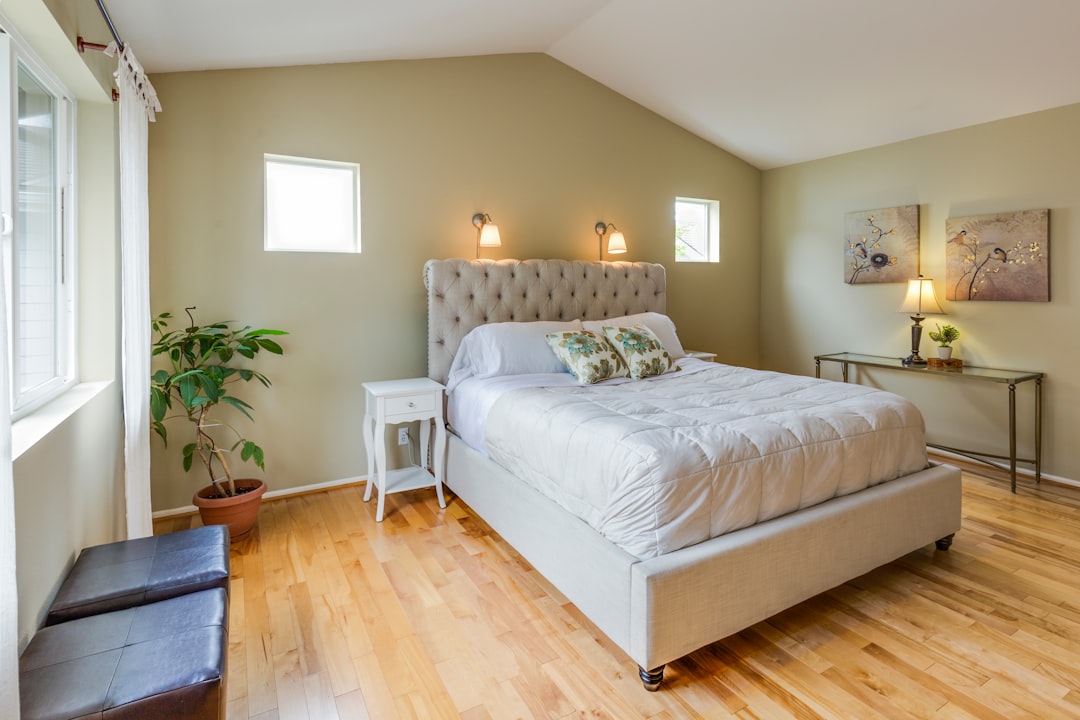
In branding, sage signals calm, natural, and wellness-oriented — popular in skincare, sustainability, and lifestyle. Pair it with cream and charcoal for an understated premium feel. In interiors, sage is a favorite for cabinetry and walls; terracotta accents, brass, and natural wood lean into the organic look, while blush and cream keep it soft. For a warmer green alternative, compare colors that go with olive green.
Frequently Asked Questions
What is the hex code for sage green?
Sage green commonly uses the hex code #B2AC88 — a soft, gray-tinted green with a warm undertone. Lighter design variants include #9CAF88 and #CCD5AE; pick a single base value so your supporting colors and contrast ratios stay predictable across the palette.
Does terracotta go with sage green?
Yes — terracotta (#C66B3D) is the standout match for sage green. The warm, earthy clay sits near sage’s complement on the color wheel, creating a natural, sun-baked contrast that defines the modern organic look in interiors, weddings, and branding alike.
What neutral goes best with sage green?
Cream (#F5EFE6) and white (#FFFFFF) are the best neutrals for sage green. Cream’s warmth keeps the palette soft and serene, while crisp white makes sage feel fresh and modern. For text and contrast, charcoal (#36454F) is the strongest neutral partner.
Is sage green warm or cool?
Sage green is a muted, warm-leaning green because of its gray-yellow undertone, which sets it apart from cooler greens like mint or emerald. That subtle warmth is why it harmonizes so easily with earthy tones such as terracotta, cream, and blush.