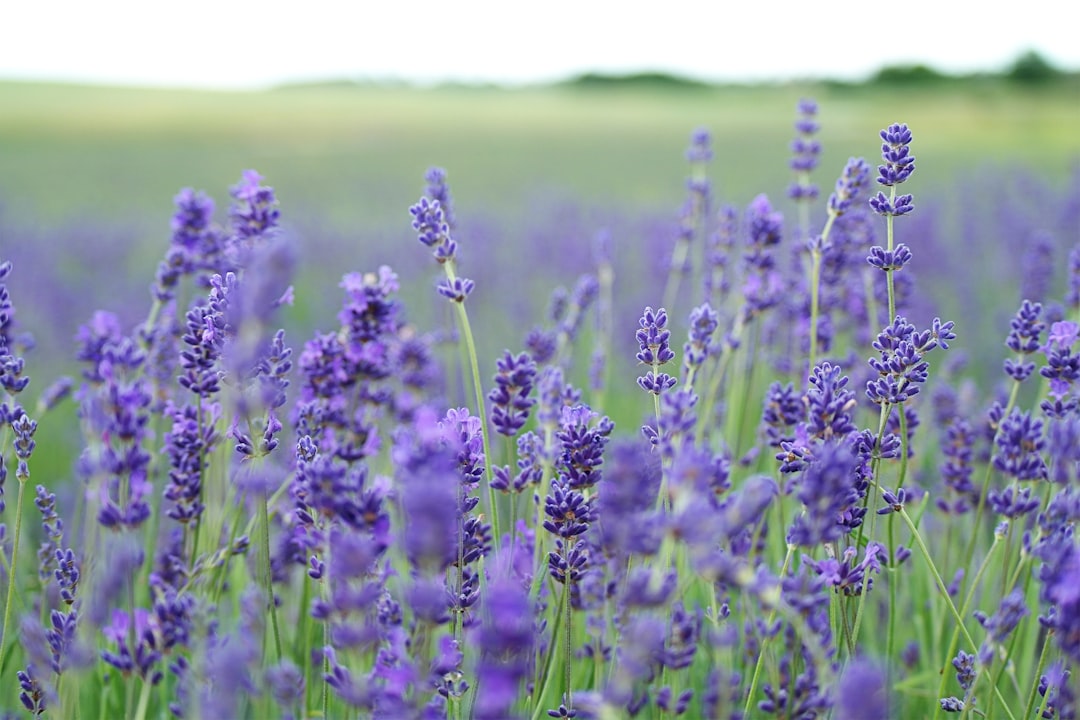
Lavender Color Meaning and Symbolism
Lavender is a light, pale shade of purple with a subtle bluish undertone, named after the fragrant flowering plant. It is essentially purple lightened heavily with white, which softens purple’s intensity into something airy and gentle. Its representative hex code is #E6E6FA , a delicate cool tone. The lavender color meaning flows from this softness: it keeps purple’s associations with spirituality and refinement but expresses them quietly, evoking calm, grace, and tender femininity.
What does lavender symbolize?
Lavender symbolizes calmness, grace, and spiritual serenity. As a gentle purple, it inherits purple’s links to introspection, intuition, and the spiritual while adding a softer, more nurturing quality. It is associated with femininity, elegance, refinement, and youthful innocence, as well as with healing and relaxation thanks to the plant’s soothing scent. Lavender can also represent devotion, nostalgia, and quiet luxury. Its delicacy conveys sensitivity and gentleness rather than the regal power of deeper purples. Because lavender is purple softened almost to the point of pastel, it trades majesty for tenderness, suggesting daydreams, springtime, and gentle creativity. To understand how adding white to a pure hue reshapes its message, our primer on color theory explains how tints soften intensity and emotional weight. Lavender often appears alongside ideas of imagination and whimsy, making it a favorite for storytelling, poetry, and any context that values a light, dreamy touch over boldness.
The psychology of lavender
Psychologically, lavender is deeply calming and restful. It is strongly tied to relaxation and stress relief, partly through the well-known soothing effect of lavender aromatherapy, and it tends to lower tension and encourage tranquility. The color promotes a sense of peace, emotional balance, and gentle introspection without feeling cold. People often find lavender comforting and reassuring, which is why it appears in spaces meant for rest and recovery. For a wider view of how soft cool hues affect mood, see our overview of color psychology. Lavender’s gentleness also makes it conducive to creative reflection, encouraging a relaxed, open state of mind that supports daydreaming and gentle problem-solving. Because it is light and unthreatening, it rarely fatigues the eye, which is why it works well in bedrooms, meditation spaces, and nurseries. The color tends to lower the emotional temperature of a room, replacing urgency with a soft, contemplative stillness that many people associate with calm evenings and restful sleep.
Lavender symbolism across cultures
Lavender carries varied cultural meanings. In the West, the lavender flower has long symbolized purity, devotion, and serenity, and was used historically for cleansing and calm. In Victorian floriography, lavender could signify both refinement and caution or distrust, depending on context. The color is also historically significant as a symbol within LGBTQ history and queer identity, where lavender has been embraced as a marker of pride and community. In some spiritual traditions, lavender and pale purples are linked to higher consciousness and meditation. Meanings therefore range from devotion and calm to identity and remembrance.
Positive and negative associations of lavender
| Positive | Negative |
|---|---|
| Calm and relaxation | Can feel fragile |
| Grace and refinement | Overly delicate or sentimental |
| Spirituality and serenity | Seen as immature in excess |
| Gentleness and healing | Lacks energy or assertiveness |
Lavender in branding and marketing
Lavender is used by brands that want to feel calming, elegant, and approachable. It is common in beauty, wellness, spa, self-care, and feminine lifestyle products, where it signals softness, relaxation, and gentle luxury. Lavender also appears in baby products, aromatherapy, and mindfulness apps to convey serenity and care. Because it is soothing and refined without being heavy, it helps brands project a sense of tranquility and sophistication, appealing to audiences seeking comfort, self-care, and understated elegance.
Colors that go well with lavender
Lavender pairs beautifully with soft yellow #FFF8B0 for a gentle complementary contrast, and with sage green #B2C2A5 for a fresh, botanical palette. It also works with cream and white #FFFFFF for an airy, romantic scheme, and with deeper plum #673147 for tonal depth. Its near-complement in the soft yellow range creates a balanced, springlike effect; explore the logic in our guide to complementary colors.
Shades and variations of lavender
Lavender spans soft purples and pinks. Standard lavender is #E6E6FA, while lavender blush #FFF0F5 leans pink. Lavender gray #C4C3D0 is muted and sophisticated, lavender mist #E1E1F0 is even paler, and deeper lavender purple #967BB6 carries more saturation. Floral lavender #B57EDC matches the plant’s bloom more closely. Each variation adjusts the balance of purple, blue, and white.
Frequently Asked Questions
What does the color lavender mean?
Lavender means calm, grace, gentleness, and spirituality. As a soft pale purple, it carries purple’s links to serenity and refinement in a lighter, more nurturing form, evoking relaxation, femininity, healing, and quiet elegance.
What emotions does lavender evoke?
Lavender evokes peace, relaxation, and gentle reassurance. It is strongly associated with stress relief and tranquility, encouraging emotional balance and calm introspection, and is often experienced as comforting, soothing, and softly uplifting.
What colors go with lavender?
Lavender pairs well with soft yellow for gentle contrast, sage green for a botanical palette, cream and white for an airy look, and deeper plum for tonal depth. These combinations enhance its calming, refined, and romantic qualities.
Is lavender warm or cool?
Lavender is a cool color because of its purple and blue base, though its softness and lightness give it a gentle, approachable warmth. It sits on the cool side of the spectrum overall. See our guide to warm vs cool colors.
What is the difference between lavender and purple?
Lavender is a much lighter, softer tint of purple mixed heavily with white. Purple is deeper, more saturated, and often associated with royalty and power, while lavender (#E6E6FA) feels delicate, calming, and gentle rather than bold or regal.