Burgundy Color Meaning and Symbolism
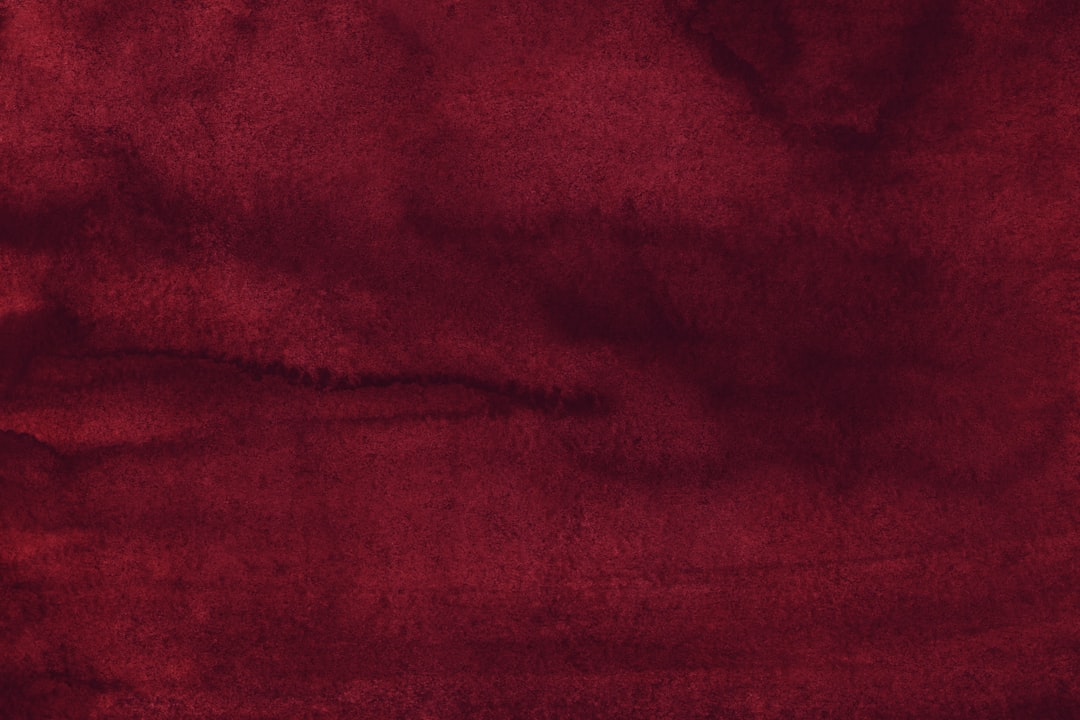
Named after the rich red wines of the Burgundy region of France, burgundy color meaning centers on maturity, luxury, and quiet confidence. Burgundy sits between red and brown on the spectrum, carrying red’s intensity but tempering it with darkness and a violet edge. The result is a color that signals seriousness and taste without the aggression of a brighter scarlet. Designers reach for burgundy when a palette needs depth and gravitas, because it adds richness without shouting for attention the way a primary red does.
What does burgundy symbolize?
Burgundy primarily symbolizes sophistication, wealth, ambition, and refinement. Because it descends from red, it retains undertones of passion and power, but its depth shifts those qualities toward control and stability rather than raw energy. Historically associated with wine, velvet, and old money, burgundy communicates heritage and prestige. It is frequently read as a “grown-up red,” conveying determination and authority while still hinting at warmth and sensuality beneath the surface.
The psychology of burgundy
Psychologically, burgundy blends the stimulating qualities of red with the calming, contemplative qualities of darkness and purple. This combination tends to evoke feelings of comfort, security, and seriousness. Where bright red can raise tension, burgundy feels more settled and reassuring, which is why it appears so often in formal interiors, leather goods, and autumn fashion. It can also project ambition and drive in a measured way, suggesting someone who is determined but composed. Burgundy also tends to read as introspective and refined, encouraging a slower, more deliberate mood than energetic reds, which is part of why it suits libraries, wine cellars, and intimate dining spaces. For more on how warm hues affect perception, see our guide to color psychology.
Burgundy symbolism across cultures
Burgundy’s cultural meaning varies, though wealth and ceremony are recurring themes. In Western traditions it is tied to luxury, the wine trade, and academic or ecclesiastical robes, lending it an air of scholarship and authority. In parts of South Asia, deep reds including burgundy appear in bridal and festive dress, signaling prosperity and celebration. In some East Asian contexts, dark reds connect to good fortune. As with most colors, these associations shift by region and era, so burgundy is best understood as a color of status and depth that adapts to local meaning rather than carrying one fixed message worldwide.
Positive and negative associations of burgundy
| Positive | Negative |
|---|---|
| Sophistication and luxury | Can feel heavy or somber |
| Ambition and determination | May read as overly serious or stuffy |
| Warmth and richness | Sometimes perceived as old-fashioned |
| Stability and confidence | Can seem severe in large amounts |
Burgundy in branding and marketing
Burgundy is a go-to choice for brands that want to signal premium quality and timeless elegance. It appears frequently in wine and spirits, luxury automobiles, high-end fashion, cosmetics, and leather accessories, where its associations with wealth and refinement reinforce a sense of exclusivity. Financial, legal, and educational institutions also use burgundy to project stability and tradition. Because it reads as mature and dependable, it suits audiences who value heritage over trendiness. Brands often pair burgundy with metallic gold or cream to heighten its luxurious feel and avoid looking dated. In digital interfaces, burgundy works well for premium accents, headers, and call-to-action elements where a designer wants warmth and authority at once, though it is usually balanced with lighter neutrals so the overall layout stays readable and inviting.
Colors that go well with burgundy
Burgundy pairs beautifully with neutrals and warm metallics. Gold (#FFD700) amplifies its luxury and creates an opulent, regal look. Blush pink (#F4C2C2) softens burgundy into something romantic and modern. Navy blue (#1B1F3B) offers a sophisticated, traditional contrast for menswear and corporate palettes, while cream (#F5F0E1) lightens the scheme and keeps it from feeling oppressive. For a structured approach to pairing, explore our guide to complementary colors.
Shades and variations of burgundy
Burgundy spans a family of deep reds. Wine (#722F37) leans browner and more muted. Maroon (#800000) is closely related but slightly more brown and less purple. Oxblood (#4A0404) is darker and richer, popular in footwear and leather. Merlot (#73343A) sits softer and dustier, while claret (#7F1734) trends brighter and more vivid. These variations let designers tune burgundy from somber and formal to lively and contemporary. Compare them within the broader framework of color theory.
Frequently Asked Questions
What does the color burgundy mean?
Burgundy means sophistication, wealth, ambition, and refined power. As a deep red-purple inspired by wine, it carries red’s passion in a more controlled, mature form, signaling luxury, heritage, and quiet confidence. It is widely used to suggest premium quality and timeless elegance.
What emotions does burgundy evoke?
Burgundy tends to evoke comfort, security, seriousness, and a sense of richness. It feels grounded and reassuring rather than energizing, projecting determination and warmth at the same time. In large amounts it can also feel heavy or somber, which is why it is often balanced with lighter tones.
What colors go with burgundy?
Burgundy pairs well with gold (#FFD700) for a regal effect, blush pink (#F4C2C2) for a softer modern look, navy blue (#1B1F3B) for traditional contrast, and cream (#F5F0E1) to lighten the palette. These combinations enhance burgundy’s luxurious, refined character.
Is burgundy warm or cool?
Burgundy is generally a warm color because it is rooted in red. However, its purple undertones add a slightly cool, sophisticated edge, making it a warm hue with cool depth. This balance is part of why it feels both inviting and refined. Learn more about warm vs cool colors.
How is burgundy different from maroon?
Burgundy and maroon are both deep reds, but burgundy (#800020) carries a noticeable purple or violet undertone, giving it a wine-like richness. Maroon (#800000) is browner and earthier with no purple cast. Burgundy tends to read as more elegant and luxurious, while maroon feels more rustic and grounded.