Olive Color Meaning and Symbolism
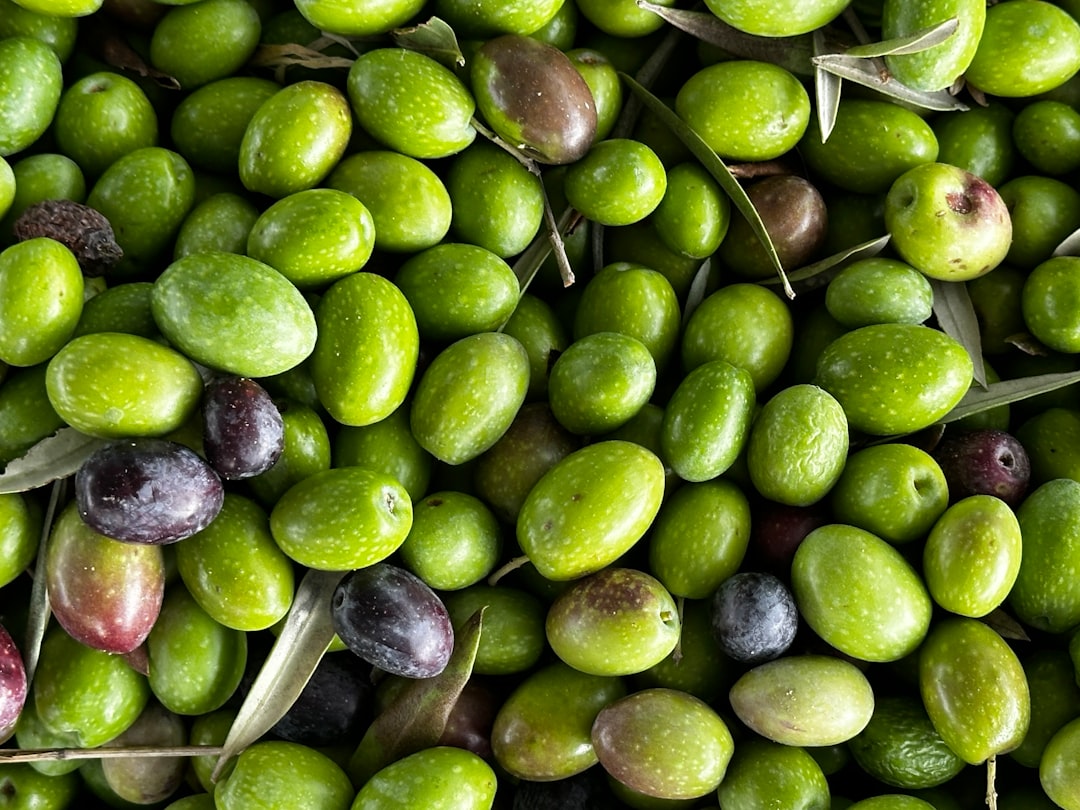
Named after the olive fruit and tree, olive color meaning blends the symbolism of peace with a deep connection to earth and endurance. Olive is a dark, desaturated yellow-green that reads as natural, mature, and understated. It carries green’s link to nature but with a dusty, muted quality that feels timeless and grounded rather than fresh or vibrant. The added yellow gives olive a warm, sun-faded character, like foliage in late summer, which sets it apart from cooler, crisper greens and gives it an organic, lived-in appeal.
What does olive symbolize?
Olive symbolizes peace, earthiness, wisdom, and resilience, along with a strong association with the military. The olive branch is one of the oldest and most universal symbols of peace and reconciliation, giving the color a diplomatic, harmonious connotation. At the same time, olive’s muted, natural tone connects it to the land, growth, and endurance. Olive drab has long been used for military uniforms and equipment, lending the color associations with strength, practicality, and discipline. Together these meanings make olive a color of grounded wisdom and quiet stability. Because the olive tree itself is famously long-lived and hardy, surviving in harsh conditions for centuries, the color also carries undertones of perseverance and quiet endurance, qualities that deepen its sense of maturity and steadfastness.
The psychology of olive
Psychologically, olive feels calm, mature, and reassuring. As a muted green-yellow, it combines green’s balance and connection to nature with yellow’s subtle warmth, producing a tone that is earthy and contemplative rather than energetic. Olive tends to evoke a sense of stability, patience, and natural harmony. Because it is desaturated, it reads as sophisticated and understated, which is why it appears in earthy, organic, and heritage-inspired palettes. Olive can also feel slightly somber or serious in large amounts, reinforcing its grounded, dependable character. Explore more in our guide to color psychology.
Olive symbolism across cultures
Olive carries deep cultural and historical significance, especially around the Mediterranean. In ancient Greece, the olive tree was sacred to Athena and symbolized peace, victory, and prosperity, with olive wreaths awarded to victors and the olive branch representing peace. In many religious traditions, the olive branch signals reconciliation and divine favor. The color also appears widely in military contexts worldwide as olive drab, connecting it to service and endurance. While precise meanings vary, olive consistently evokes peace, longevity, and a strong tie to nature and the land across cultures.
Positive and negative associations of olive
| Positive | Negative |
|---|---|
| Peace and harmony | Can feel drab or dull |
| Earthiness and nature | May seem somber or muted |
| Wisdom and maturity | Military associations can feel austere |
| Stability and endurance | Lacks brightness and vibrancy |
Olive in branding and marketing
Olive is favored by brands that want to convey natural, organic, and earthy values. It is common in outdoor, military-inspired, and rugged apparel, where its associations with durability and the land reinforce a practical, dependable image. Organic food, skincare, and eco-conscious brands use olive to signal sustainability and a connection to nature. Its muted, sophisticated quality also makes it popular in upscale lifestyle, home, and heritage branding, where it suggests timeless, understated elegance rather than flashy trendiness. In interior and packaging design, olive functions almost as a sophisticated neutral, pairing with woods, leathers, and natural textures to create warm, earthy environments that feel calm and authentic rather than loud or commercial.
Colors that go well with olive
Olive pairs well with warm, earthy, and neutral tones. Cream (#F5F0E1) lightens and softens it for an organic, natural palette. Rust orange (#B7410E) creates a warm, autumnal contrast. Mustard yellow (#E1AD01) complements its earthiness with added warmth, and charcoal (#36454F) grounds it for a modern, sophisticated look. For more pairing strategies, see our guide to complementary colors.
Shades and variations of olive
Olive includes several earthy variations. Olive drab (#6B8E23) is the classic military green, slightly brighter and more saturated. Dark olive green (#556B2F) is deeper and richer. Khaki (#BDB76B) is paler and more tan, while moss green (#8A9A5B) leans cooler and more vegetal. Sage (#9CAF88) is a softer, grayer cousin. These tones let designers move olive from rugged and militaristic to soft and organic. See how earth tones relate within color theory.
Frequently Asked Questions
What does the color olive mean?
Olive means peace, earthiness, wisdom, and resilience, with strong military associations. Rooted in the olive branch, it is a universal symbol of peace and reconciliation, while its muted yellow-green tone connects it to nature, endurance, and grounded, mature stability.
What emotions does olive evoke?
Olive evokes feelings of calm, stability, maturity, and natural harmony. Its earthy, desaturated quality feels grounded and contemplative rather than energetic. In larger amounts it can read as somber or drab, but generally it conveys a reassuring, dependable, and sophisticated mood.
What colors go with olive?
Olive pairs well with cream (#F5F0E1) for a natural look, rust orange (#B7410E) for autumnal contrast, mustard yellow (#E1AD01) for added warmth, and charcoal (#36454F) for modern grounding. These combinations enhance olive’s earthy, organic character.
Is olive warm or cool?
Olive is generally considered a warm color because of its yellow base, which gives it an earthy, sun-faded quality. However, its green component adds a slightly cool, natural balance, making olive a warm earth tone with subtle cool undertones. Learn more about warm vs cool colors.
Why is olive associated with the military?
Olive is associated with the military because olive drab has been widely used for uniforms, vehicles, and equipment since the early twentieth century. Its muted, earthy tone provides natural camouflage in many environments, and its practical, understated character came to symbolize service, discipline, and durability.