Flyer Design Principles That Work
A flyer gets roughly three seconds of attention — pinned to a noticeboard, handed out on a street, or dropped through a letterbox among other mail. That brutal time limit is the whole challenge. Good flyer design principles are really principles of speed: how fast can a passerby grasp what this is, why it matters, and what to do about it? A flyer that tries to explain everything explains nothing, because the reader has already moved on. The flyers that work commit to one message and shout it clearly.
The key principles of flyer design
Here are the seven principles that turn a single sheet into something people actually read and act on.
| Principle | Why it matters |
|---|---|
| Single focal message | One idea per flyer ensures it registers in the few seconds you get. |
| Three-second scan | Hierarchy must deliver the gist before the reader looks away. |
| Bold headline | A large, benefit-led headline is the entry point for every reader. |
| High contrast | Strong contrast keeps text legible across lighting and backgrounds. |
| White space | Breathing room makes the message pop and the flyer feel uncrowded. |
| One call to action | A single next step removes hesitation and drives response. |
| Standard size & print | Common formats fit racks, mailboxes, and budgets without surprises. |
1. Single focal message — say one thing well
The fastest way to ruin a flyer is to give it three jobs. Decide on the one message — an event, an offer, an opening, a service — and let everything else support it. If a detail does not help the reader understand or act on that core message, it competes with it. A flyer with one clear purpose reads instantly; a flyer with five purposes reads like a cluttered notice no one finishes.
2. Three-second scan — design for the glance
Most people will never read your flyer top to bottom. They scan. So build a deliberate visual hierarchy where the headline is unmissable, the key benefit comes second, and the details sit quietly beneath. Squint at your own design from across the room: if you can still tell what it is and what to do, the hierarchy works. If it dissolves into grey, it needs more contrast and fewer competing elements.
3. Bold headline — lead with the benefit
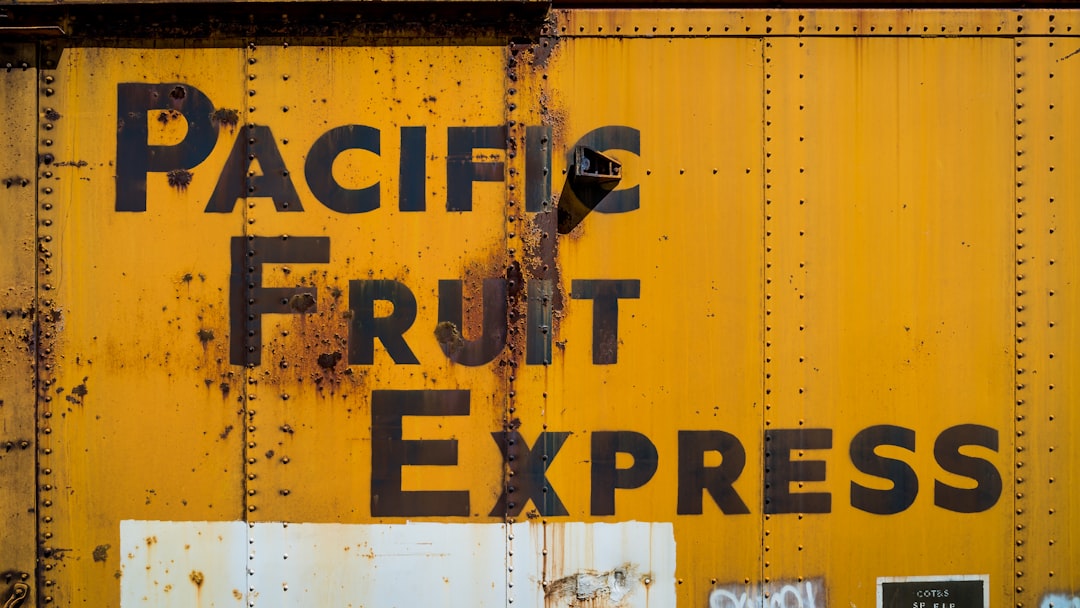
The headline is the single most important element on the flyer, so make it large and make it about the reader. “Half-Price Repairs This Week” beats “Welcome to Our Business.” Use a heavy weight, generous size, and a short, concrete promise. Everything else on the page is there to support this one line, so give it room and let it dominate the top third of the layout.
4. High contrast — guarantee legibility
Flyers are read in bad lighting, behind glass, and against busy backgrounds. Dark text on a light field — or light text on a solid dark block — stays readable where subtle tonal combinations vanish. Avoid placing text over busy photos without a colour overlay or shape behind it. A quick grounding in color theory helps you pair colours that pop rather than blend into mud.
5. White space — let the message breathe
The instinct to fill every inch is the enemy of a fast read. Generous white space around the headline and call to action makes them feel important and gives the eye somewhere to rest. A flyer that is 60% content and 40% breathing room almost always outperforms one packed corner to corner, because the empty space is what makes the filled space readable.
6. One call to action — make the next step obvious
Tell the reader exactly what to do: scan a QR code, call a number, visit a site, or show up at a time and place. A single, prominent CTA converts far better than several competing ones. Make it visually distinct — a button shape, a contrasting colour, ample surrounding space — and pair it with a reason to act now, such as a deadline or limited offer.
7. Standard size & print — design for the real world
Common sizes like A5, A6, DL, and US letter fit standard racks, mailboxes, and printing budgets, so you avoid awkward custom trims and inflated costs. Set up artwork with bleed and keep critical content inside safe margins. If the flyer might be enlarged to a poster, design it so the headline still reads from several metres away — legibility at distance is the truest test of a flyer.
Common flyer design mistakes to avoid
- Trying to communicate several messages at once, so none of them register in the three-second window.
- Setting the headline too small or too timid, burying the one line that hooks the reader.
- Placing text over a busy image with no overlay, destroying legibility.
- Including multiple competing calls to action, leaving the reader unsure what to do next.
Frequently Asked Questions
What are the most important flyer design principles?
The most important principles are committing to a single focal message, designing for a three-second scan, and leading with a bold, benefit-driven headline. High contrast, generous white space, and one clear call to action complete the set. Because a flyer is a glance medium, every choice should serve speed and legibility rather than decoration.
What size should a flyer be?
The most common flyer sizes are A5, A6, DL (a third of A4), and US letter or half-letter. A5 is a strong all-rounder for handouts and noticeboards, DL suits racks and mailers, and US letter gives you more room for events. Stick to standard sizes to keep printing affordable and to fit existing displays and mailboxes.
How much text should a flyer have?
As little as possible. A flyer needs a bold headline, a short supporting line or two, the essential details (date, place, price), and one call to action. If you find yourself writing paragraphs, the content belongs in a brochure or on a landing page instead. Aim for scannable fragments, not sentences.
How do I make a flyer stand out on a crowded board?
Use strong contrast, a large headline, and plenty of white space so your flyer reads as one clear shape from a distance. A single bold colour or image draws the eye, while restraint keeps the message intact. Squint-test it against competing notices: the design that still communicates when blurred is the one that stands out.
What is the best resolution for printing a flyer?
Use images and artwork at 300 dpi at final size, set up in CMYK with a 3 mm bleed on every edge. Keep important text and logos within a safe margin so trimming never clips them. For flyers that may be enlarged, use vector logos and headlines where possible so they stay crisp at any size.