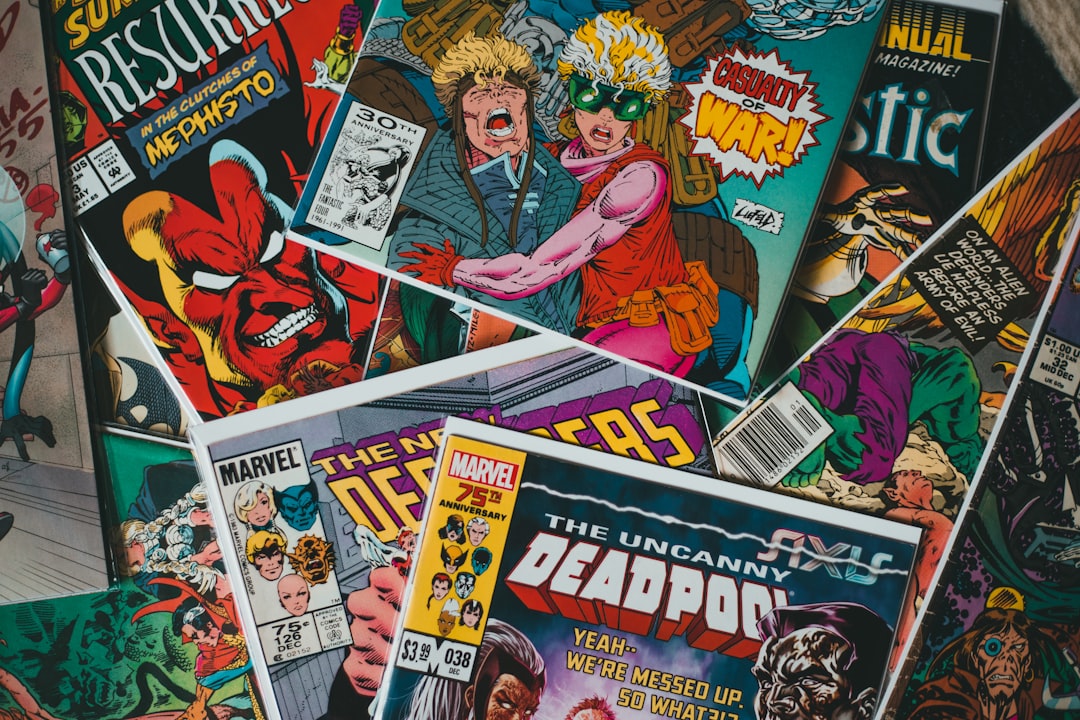
Best Comic Fonts (Free & Premium)
Comic typography is hand-lettering translated into type: energetic, informal and full of personality. The best comic fonts mimic the look of a letterer’s pen, whether for speech-bubble dialogue, booming sound effects or splashy cover titles. The key principle is to match the lettering to tone, dialogue fonts stay readable and even, while title and SFX fonts can go loud and chaotic.
What makes a good comic font?
Good dialogue lettering is highly legible at small sizes, set in all-caps or mixed case with an organic, hand-drawn rhythm and a true lowercase “i” without the misread of straight type. Title and sound-effect fonts can be heavy, brushy or jagged for drama. Avoid the overexposed Comic Sans for any serious project; its uneven spacing and reputation undermine credibility even though its core idea (casual lettering) is sound.
Best comic fonts
This list pairs free Google Fonts and DaFont options with the premium foundry sets professional comic letterers actually use.
| Font | Best for | Price |
|---|---|---|
| Comic Neue | Tasteful casual lettering | Free (OFL) |
| Bangers | Bold action titles | Free (OFL) |
| Komika | Dialogue & all-purpose comics | Free for personal |
| Back Issues BB | Vintage dialogue lettering | Free for personal |
| Action Man | Casual handwritten text | Free for personal |
| Patrick Hand | Friendly handwriting | Free (OFL) |
| Luckiest Guy | Chunky cartoon headlines | Free (OFL) |
| Blambot (CC-style) | Pro dialogue & SFX | Paid |
| CC Wild Words | Industry-standard dialogue | Paid |
| Permanent Marker | Marker-style SFX | Free (OFL) |
1. Comic Neue
Comic Neue is a thoughtfully redrawn Comic Sans alternative with even spacing and refined curves. Free on Google Fonts (OFL), it keeps the friendly, casual feel while removing the awkwardness that gave Comic Sans its bad name, making it ideal for approachable captions and light lettering.
2. Bangers
Bangers is a punchy, all-caps comic display face built for action. Free on Google Fonts (OFL), it shouts “POW” and “BOOM” and works brilliantly for cover titles, headlines and energetic sound effects. It is too loud for body dialogue but perfect for impact.
3. Komika
The Komika family from Apostrophic Labs is a long-time favorite for comic dialogue and titles, with many style variants. It is free for personal use and widely available on DaFont, but verify the license before any commercial comic, since terms vary across the family.
4. Back Issues BB
Back Issues BB from Blambot evokes vintage silver-age comic lettering with a slightly irregular, hand-inked feel. It is free for personal use; commercial projects need Blambot’s paid license. It is a great choice for retro-styled dialogue.
5. Action Man
Action Man is a casual handwritten comic font popular on DaFont, with a relaxed, marker-like character. It is free for personal use only, so license it properly before using it in anything you sell or monetize.
6. Patrick Hand
Patrick Hand is a clean, friendly handwriting font that reads well at text sizes. Free on Google Fonts (OFL), it is a versatile, fully commercial-safe option for journal-style comics, infographics and informal captions.
7. Luckiest Guy
Luckiest Guy is a bold, rounded cartoon display face with a 1950s comic-cover energy. Free on Google Fonts (OFL), it is excellent for chunky headlines and playful branding where you want maximum cartoon charm.
8. Blambot fonts (CC-style)
Blambot, run by letterer Nate Piekos, is the go-to foundry for professional comics. Its dialogue, title and sound-effect fonts are paid (with some free-for-personal options) and are an investment that gives published work an authentic, polished lettering standard.
9. CC Wild Words
CC Wild Words from Comicraft is arguably the most recognizable professional comic dialogue font, used across mainstream titles for decades. It is a paid license sold by Comicraft and remains the benchmark for natural, readable balloon lettering.
10. Permanent Marker
Permanent Marker mimics a thick felt-tip pen, giving an energetic, slightly messy stroke. Free on Google Fonts (OFL), it suits sound effects, annotations and graffiti-style accents within a comic layout.
Free vs premium comic fonts
Free Google Fonts like Comic Neue, Bangers and Patrick Hand are OFL-licensed and fully commercial-safe. Many beloved comic fonts on DaFont (Komika, Action Man, Back Issues BB) are marked “free for personal use,” which does not cover a comic you sell, a print run or merch. Professional letterers buy Blambot or Comicraft licenses precisely to publish legally. Always confirm terms via our font licensing guide and download only from trusted sources covered in where to download fonts.
How to use comic fonts well
Use a readable dialogue font (Comic Neue, CC Wild Words) for speech balloons and reserve the loud faces (Bangers, Permanent Marker) for titles and sound effects. Keep dialogue in even, slightly mixed case for comfort, avoid setting whole paragraphs in a heavy display face, and never default to Comic Sans for anything professional. Pay attention to balloon shape and tail placement too, since lettering and the bubble around it work as a pair, and emphasize key words with bold or a contrasting display face rather than underlining. Consistent lettering across panels is what separates polished comics from amateur ones.
Frequently Asked Questions
What font do professional comics use?
Most professional comics use foundry fonts from Blambot or Comicraft. CC Wild Words from Comicraft is the classic dialogue standard, while Blambot offers extensive dialogue, title and sound-effect families. These are paid licenses, which is why their lettering looks more polished and consistent than free alternatives.
Is Comic Sans a good comic font?
Not really. While Comic Sans was inspired by comic lettering, its uneven spacing and overuse have given it a poor reputation. For a casual look without the baggage, use Comic Neue, a free Google Font that refines the same friendly style with better spacing and proportions.
Are comic fonts free for commercial use?
Some are. Google Fonts like Comic Neue, Bangers and Patrick Hand are OFL-licensed and commercial-safe. However, many comic fonts on DaFont are “free for personal use” only and require a paid license to sell your comic. Professional fonts from Blambot and Comicraft are paid.
What font is best for comic dialogue?
For professional dialogue, CC Wild Words and Blambot’s dialogue faces are the benchmark for natural, readable balloon lettering. For free projects, Comic Neue offers clean, tasteful casual lettering. Dialogue fonts should be even and legible, leaving the bold faces for titles and sound effects.
Should comic lettering be uppercase?
Traditionally yes. Classic comic dialogue is set in all-caps for a uniform, hand-lettered look, though many fonts include a special lowercase “i” to avoid confusion. Modern indie and webcomics increasingly use mixed case for a softer feel, so it ultimately depends on your style.


