Vermilion vs Red: What’s the Difference?
Vermilion is one of the oldest named reds in art history, and it differs from plain red in both temperature and feel. The vermilion vs red distinction comes down to undertone and pigment heritage: vermilion leans orange and feels earthy, while pure red is bright, neutral, and primary. The difference shows up the moment you place them together.
What is Vermilion?
Vermilion is a brilliant orange-red traditionally made by grinding the mineral cinnabar (mercury sulfide). A representative hex is #E34234, slightly less saturated than pure red and clearly tilted toward orange. Used for millennia in Chinese lacquerware, illuminated manuscripts, and Renaissance painting, vermilion reads as rich, warm, and slightly earthy rather than harsh. Its pigment origin gives it a grounded, almost coral-leaning character that feels both vivid and natural at the same time.
What is Red?
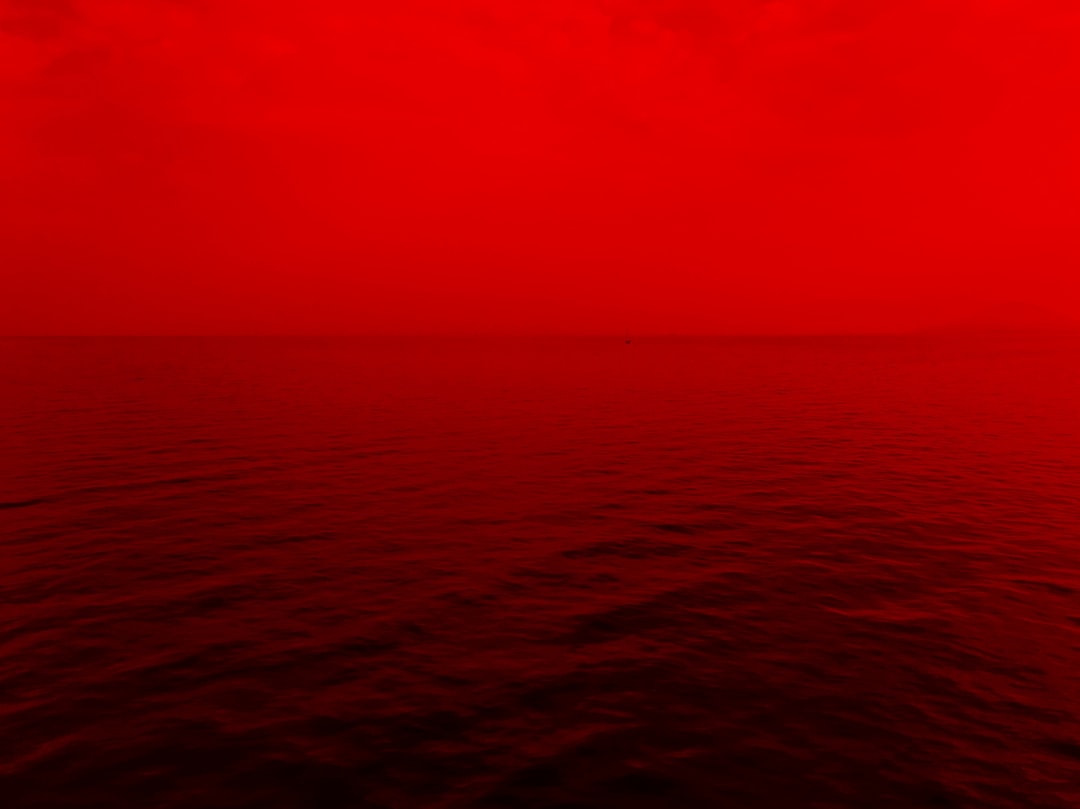
Red is the pure primary hue, the cornerstone of the warm color family. A representative hex is #FF0000: full red, no green, no blue, sitting at maximum saturation and brightness. Without any lean toward orange or violet, red reads as the most direct and absolute version of the color. It evokes passion, urgency, danger, and strength, and serves as the neutral benchmark from which warmer reds like vermilion and cooler reds like crimson are measured.
What’s the difference between Vermilion and Red?
Vermilion differs from pure red on two counts: it leans orange, and it’s marginally less saturated, giving it a softer, earthier presence. Pure red is brighter and perfectly balanced, while vermilion feels warmer and more organic thanks to its pigment-based, orange-tilted character. The table makes the contrast clear.
| Property | Vermilion | Red |
|---|---|---|
| Hex code | #E34234 | #FF0000 |
| RGB | 227, 66, 52 | 255, 0, 0 |
| Undertone | Orange, warm, earthy | Neutral / pure |
| Hue family | Orange-red | Primary red |
| Best used for | Art, heritage branding, warm accents | Alerts, bold logos, classic statements |
| Mood/feel | Rich, warm, grounded | Powerful, urgent, absolute |
When should you use each?
Reach for vermilion when you want a red with warmth and depth, such as artistic projects, heritage or craft branding, autumn palettes, or interiors that need a vivid yet earthy accent. Choose pure red when you need clarity and urgency: warning indicators, sale signage, or a clean, iconic logo. Vermilion feels cultural and painterly; red feels functional and direct. To understand why vermilion’s orange lean reads warmer, our warm vs cool colors guide is a useful companion.
How to tell Vermilion and Red apart
Compare them directly. Vermilion will look noticeably warmer and slightly muted, with an orange or coral glow, while pure red looks cooler, brighter, and more “electric” by contrast. Numerically, vermilion carries green and blue values in the 50-66 range, softening it and pulling it toward orange, whereas pure red holds both at zero. That extra green is precisely what creates vermilion’s warm, earthy quality.
Do Vermilion and Red go together?
Yes, they pair beautifully as analogous warm hues. Combining vermilion and pure red produces a layered, fiery palette with subtle depth, popular in art-inspired and editorial designs. Use pure red as the crisp focal point and vermilion as the warmer supporting tone, or reverse them for a more vintage feel. Vermilion also sits near orange, so it bridges into autumnal schemes gracefully. For striking contrast, pair either red with a teal or blue-green, a pairing logic detailed in our complementary colors guide. The closely related scarlet vs red comparison covers another warm-leaning red worth knowing.
Frequently Asked Questions
Is vermilion the same as orange?
No. Vermilion is a red that leans toward orange, but it remains firmly in the red family rather than crossing into true orange. Think of it as a warm, orange-tinged red, sitting between pure red and orange on the color wheel while keeping its red identity.
What is vermilion made from?
Traditional vermilion was made by grinding cinnabar, a mercury sulfide mineral, into a fine pigment. Because cinnabar is toxic, modern vermilion is usually a synthetic equivalent. The historic pigment was prized across Chinese, Indian, and European art for its brilliant, lasting warmth.
Is vermilion warmer than red?
Yes. Vermilion’s orange lean and added green channel make it warmer than pure red, which sits neutral on the spectrum. When placed side by side, vermilion reads as the hotter, earthier of the two, while pure red looks comparatively cool and electric.
How is vermilion different from scarlet?
Both are warm, orange-leaning reds, but vermilion is typically a touch more orange and earthy, tied to its pigment origins, while scarlet is brighter and closer to pure red. The two overlap, yet vermilion tends to feel more muted and historic in character.
Can vermilion work in modern branding?
Absolutely. Vermilion brings warmth and a sense of craft or heritage that pure red lacks, making it appealing for brands wanting to feel artisanal, cultural, or premium. It stands out while feeling less aggressive than primary red, which suits more sophisticated identities.