Amber Color Meaning and Symbolism
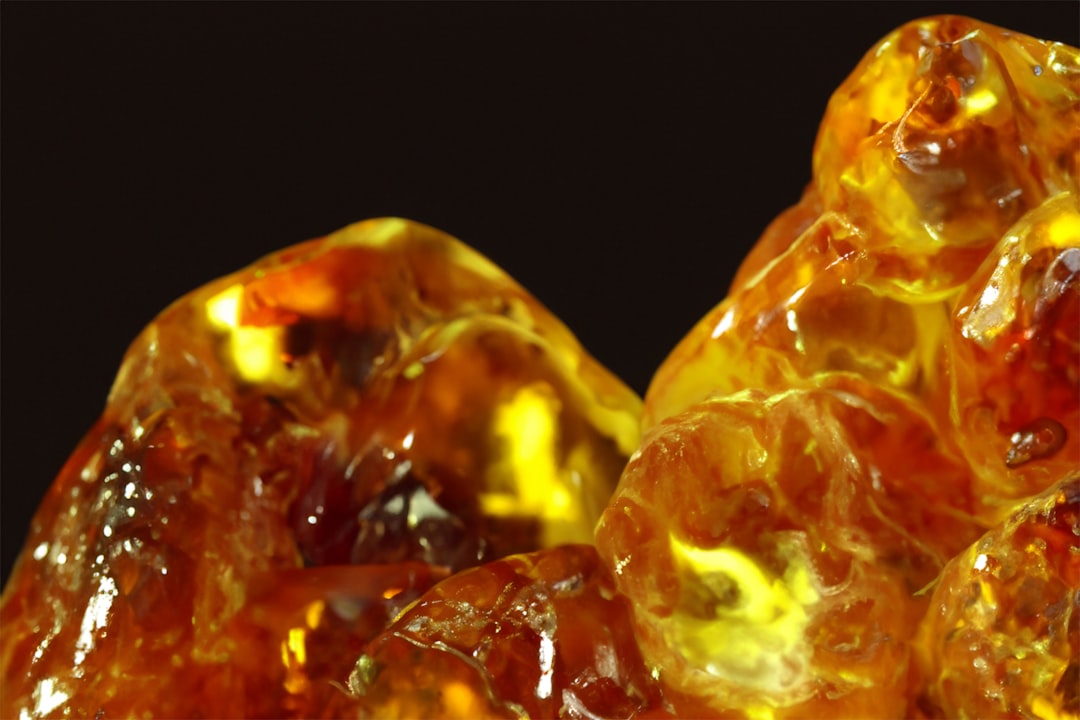
Amber is the color of honey, sunlight, and the ancient fossilized resin that gives it its name. A rich golden tone sitting between yellow and orange, amber color meaning spans warmth, energy, richness, and a distinctive note of caution . It glows with the comfort of firelight and the nostalgia of golden-hour memories, yet it is also the universally recognized signal for “slow down” on traffic lights. Represented by hex #FFBF00, amber is a versatile, attention-catching color that feels both luxurious and lively.
What does amber symbolize?
Amber symbolizes warmth, vitality, and abundance, along with a unique dual role as a caution signal. As a golden orange-yellow, it draws on yellow’s optimism and orange’s energy to convey radiance, confidence, and richness. The resin it is named for has been prized for thousands of years, lending amber connotations of preservation, antiquity, and natural treasure. At the same time, its role in traffic lights and warning signage gives it a practical meaning of caution and transition, a prompt to pay attention. This blend of glowing comfort and alertness makes amber unusually expressive. Few colors so cleanly hold two meanings at once: the same golden hue that feels luxurious in a glass of whiskey also feels urgent on a dashboard warning light. Context decides which reading dominates, but amber almost always carries a sense of significance, whether that is the value of a precious material or the importance of paying attention.
The psychology of amber
Psychologically, amber is energizing and emotionally warm. Its golden glow tends to feel cheerful, welcoming, and stimulating, evoking sunlight and warmth that can lift mood and encourage sociability. Because it is highly visible, amber also commands attention, which is exactly why it is used for caution and warning. Many people associate amber light with comfort and nostalgia, as in the warm cast of vintage lamps and sunsets, giving it a cozy, sentimental quality. This combination of high visibility and emotional warmth makes amber both inviting and impossible to ignore. For more on how warm hues affect perception, see our overview of color psychology.
Amber symbolism across cultures
Amber carries deep historical and cultural significance, largely through the gemstone itself. For millennia, amber resin has been valued as a protective talisman and healing material across European, Baltic, and Asian traditions, often believed to carry warmth, life energy, and good fortune. Its golden color links it to the sun, wealth, and divinity in many cultures, echoing the symbolism of gold. In modern global signage, amber’s meaning narrows to caution and preparedness. Because these associations range from sacred protection to practical warning, amber’s exact symbolism depends heavily on context.
Positive and negative associations of amber
| Positive | Negative |
|---|---|
| Warmth, energy and radiant cheer | Signals caution, hazard or “stop soon” |
| Richness, luxury and natural treasure | Can feel overwhelming in large amounts |
| Nostalgia, comfort and golden glow | May read as dated in the wrong context |
Amber in branding and marketing
Brands use amber to feel warm, premium, and energetic. It is common in food and beverage, especially beer, whiskey, and honey products where the color literally matches the goods, as well as in hospitality, craft, and heritage brands that want a rich, inviting glow. Amber’s high visibility also makes it useful for calls to action and warning indicators in interface design. Because it balances luxury with approachable warmth, amber works well as both a confident accent and a cozy primary tone.
Colors that go well with amber
Amber pairs strikingly with cool tones. Combine it with teal or aqua (#40E0D0) for a vivid, balanced contrast, since blue-greens sit opposite amber and intensify its glow. Pair it with charcoal (#36454F) or deep brown for a warm, sophisticated palette where amber pops. Soft cream (#FFFDD0) creates a gentle, golden harmony, while navy adds dramatic depth.
Shades and variations of amber
The amber family runs from yellow-gold to orange. Golden amber sits near the classic #FFBF00. Honey (#E8A317) is slightly browner and softer. Marigold (#EAA221) leans more orange. Dark amber (#B8860B) is deep and richly golden, while champagne amber is paler and more delicate. Each variation shifts warmth and depth while keeping amber’s signature glowing, resin-like quality. The lighter, more yellow shades feel bright and energetic, while the deeper, browner tones feel rich, vintage, and grounded. This range lets amber move from a cheerful, sunlit accent to a warm, antique-leaning base depending on how much orange, brown, or yellow dominates. Designers often combine two amber tones to mimic the way real resin catches light, producing a layered, luminous effect that feels organic rather than flat.
Frequently Asked Questions
What does the color amber mean?
Amber means warmth, energy, richness, nostalgia, and caution. A golden orange-yellow named after fossilized resin, it glows with sunlight and comfort while also serving as the universal traffic-signal color for slowing down. It blends luxurious, inviting warmth with high visibility and alertness.
What emotions does amber evoke?
Amber evokes cheerfulness, comfort, and energy. Its golden glow feels welcoming and stimulating, often stirring nostalgia for sunsets and warm lamplight. Because it is so visible, it also creates a sense of alertness and attention, balancing cozy warmth with an eye-catching, energizing presence.
What colors go with amber?
Amber pairs well with teal and aqua for vivid contrast, charcoal and deep brown for warm sophistication, and cream for a soft golden harmony. Navy adds dramatic depth. Cool blue-green tones sit opposite amber and make its glow especially rich and balanced.
Is amber warm or cool?
Amber is a warm color. As a golden blend of yellow and orange, it sits firmly in the warm family and radiates a cozy, sunlit feeling. See our guide to warm vs cool colors for more context.
Why does amber mean caution?
Amber means caution largely because of its use in traffic lights and warning signage, where it signals “prepare to stop” or “proceed carefully.” Its high visibility against most backgrounds makes it ideal for grabbing attention, so over time amber has become globally associated with transition and alertness.