Brand Guidelines: What to Include
Brand guidelines are the document that records every decision behind a visual identity — logo usage, color values, type scale, imagery rules, and the do’s and don’ts that keep it all consistent. They are what allow a brand to survive contact with a second designer, a freelancer, or a printer without drifting. An identity that lives only in one person’s head does not scale; guidelines are how it does.
This guide walks through exactly what a brand guidelines document should contain, section by section. Guidelines are the final deliverable of a complete visual identity — the place where every earlier decision gets written down so it can be repeated.
Why Brand Guidelines Matter
Consistency is the entire payoff of an identity, and consistency does not happen on its own once more than one person produces materials. The moment a new vendor, hire, or agency touches the brand, ambiguity creeps in: which blue, which logo version, how much space around the mark. Guidelines remove the guesswork. They also make handoff fast — a competent designer can produce on-brand work from the document without a single meeting. Think of them as the operating manual for the look.
Brand Foundations
Strong guidelines open with the why before the how. A short foundations section gives everything that follows its reason for existing.
- Mission and positioning. What the brand does and who it serves, in a sentence or two.
- Values and personality. The traits the brand expresses — which inform tone and design choices.
- Audience. Who the work is for, so decisions are made for them rather than for internal taste.
This section keeps the rest of the document grounded. When a designer wonders whether something feels “on brand,” the foundations are what they check against.
Logo Usage
The logo section is usually the most-referenced part of any brand book, so it should be precise. At minimum it covers:
- The logo system. Every approved version — primary lockup, stacked, standalone symbol — and when to use each.
- Clearspace. The minimum protected area around the logo, defined in a relative unit (often a fraction of the mark) so it scales.
- Minimum size. The smallest the logo may appear in print and on screen while staying legible.
- Color variations. Full-color, one-color, reversed (white) versions, and which to use on which backgrounds.
- Misuse examples. Explicit don’ts — no stretching, no recoloring, no shadows, no placing on busy backgrounds.
The misuse examples matter as much as the rules. Showing the wrong way is often clearer than describing the right way.
Color Palette
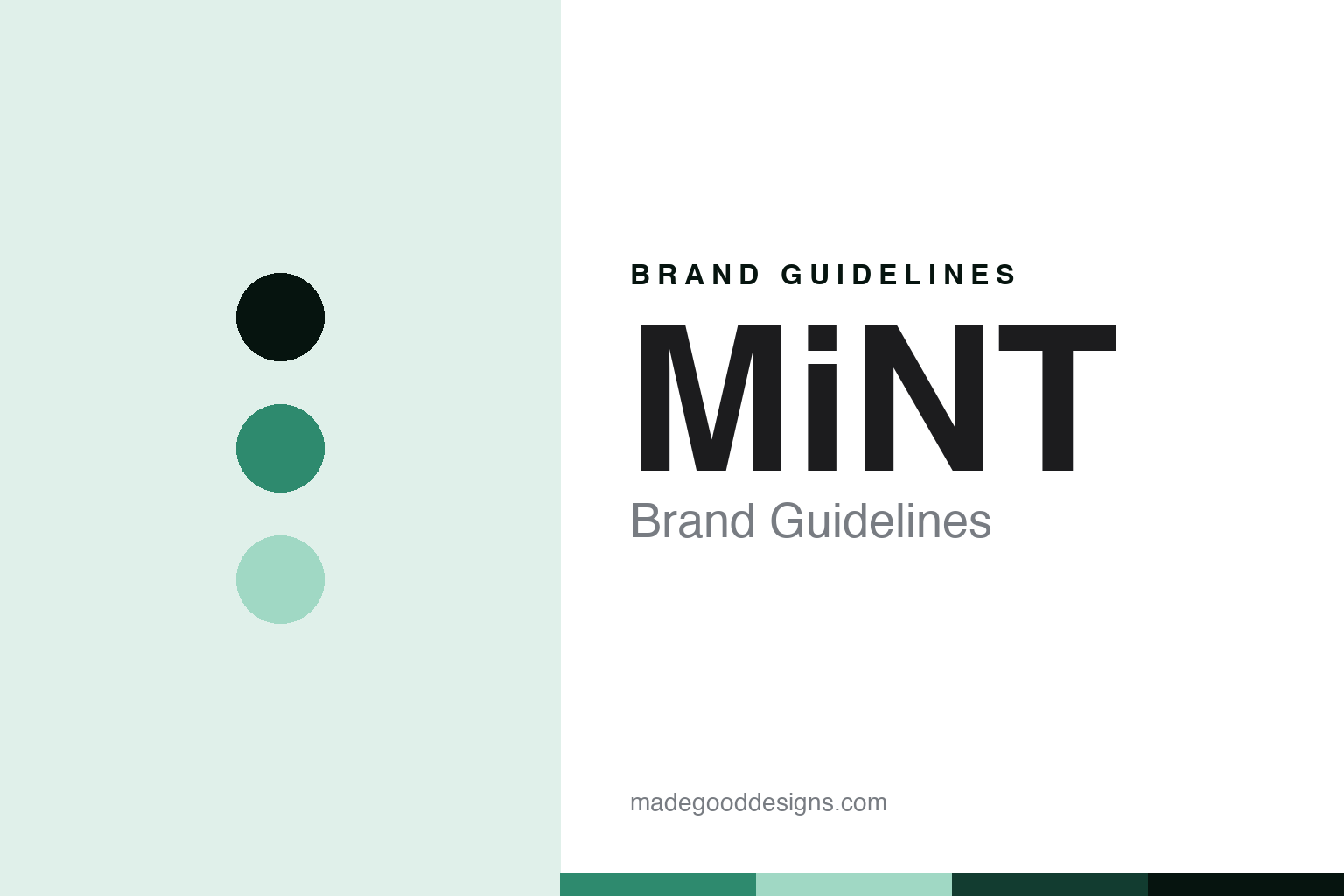
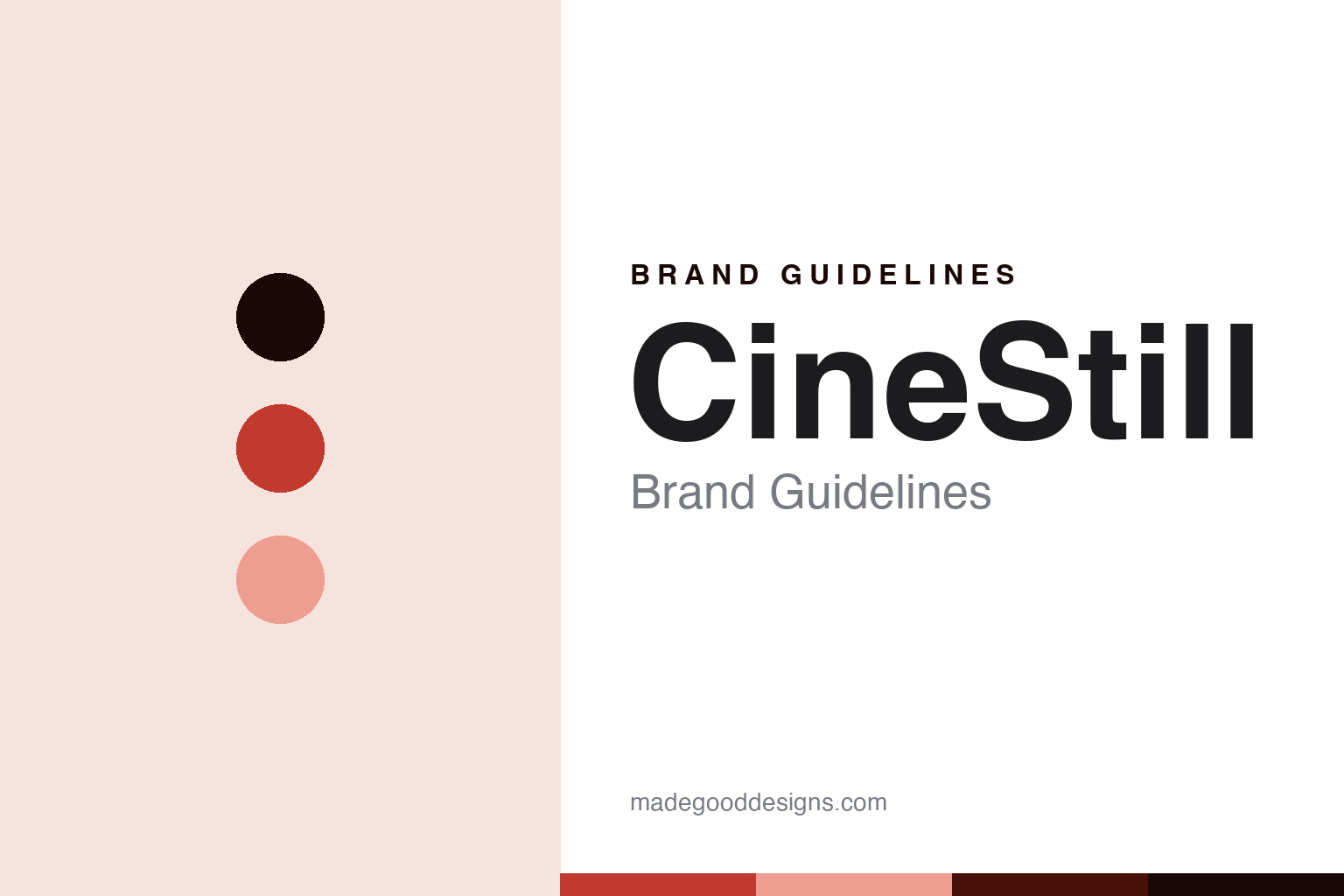
The color section must include exact, reproducible values for every brand color — not just swatches. For each color, record HEX and RGB for digital, CMYK for process print, and a Pantone reference where spot-color accuracy matters. Note the role of each color (primary, secondary, accent, neutral) and how to balance them, often citing the 60-30-10 proportion. Include accessibility guidance for text-on-color combinations. The full method for arriving at these choices is covered in our guide to choosing brand colors.
| Value | Used for |
|---|---|
| HEX | Web and screen design |
| RGB | Screens and digital tools |
| CMYK | Full-color process printing |
| Pantone | Spot-color accuracy in print |
Typography
The typography section documents the type system so every layout inherits the same structure. Include the exact typeface names and weights, their roles (display, text, UI), and a type scale listing the sizes for each heading level and body text. Specify line-height, paragraph spacing, and acceptable fallback fonts for when a brand face is unavailable. The reasoning behind these selections — including licensing — is covered in our guide to choosing brand fonts.
Imagery and Iconography
Visual consistency extends beyond logo, color, and type. A complete document defines the look of supporting elements so a feed and a website read as one brand.
- Photography style. Lighting, mood, subject matter, and any color treatment, with example shots that are on and off brand.
- Illustration style. If used, the approach, line weight, and palette for illustrations.
- Iconography. The icon set’s stroke weight, corner style, and grid, so new icons match existing ones.
- Patterns and graphic devices. Any recurring shapes, textures, or motifs and how to apply them.
Voice and Tone
Guidelines that cover only visuals leave half the brand undefined. A short voice section describes how the brand sounds — formal or casual, playful or precise — with a few do/don’t writing examples. This keeps captions, headlines, and product copy consistent with the look. If the brand uses a tagline, document it here along with how and where it appears beside the logo.
Applications and Templates
Rules are easier to follow when people can see them applied. The strongest guidelines close with an applications section that shows the full identity working on real materials, so anyone producing new work has a model to copy rather than a list of constraints to interpret.
- Stationery. Business cards, letterhead, and email signatures, showing logo placement, color, and type in context.
- Digital. A website header, a set of social media templates, and a presentation slide, demonstrating the system on screen.
- Marketing. An advertisement or banner and a simple flyer, showing how headline type, imagery, and the accent color come together.
- Packaging or signage, where relevant to the brand, proving the identity survives the jump from screen to physical object.
Where possible, pair these examples with editable templates. A team that can start from an on-brand template produces consistent work far faster than one decoding rules from scratch — and templates quietly enforce the guidelines without anyone having to police them.
Keeping Guidelines Alive
A brand book is not a one-time deliverable; it is a living document. Identities evolve, new channels appear, and edge cases surface that the original guidelines never anticipated. Assign an owner responsible for the document, version it so people know they are working from the current rules, and review it periodically. Distribute it somewhere shareable and findable rather than buried in a folder — guidelines nobody can locate are guidelines nobody follows.
Putting It Together
The best guidelines are usable, not exhaustive for its own sake. Keep each rule concrete, lead with examples, and favor showing over telling. A practical structure runs: foundations, logo usage, color, typography, imagery and iconography, voice, and a short applications section showing the system on real materials — a business card, a social post, a web header. Distributed as a shareable document, this is what keeps an identity consistent for years and across every hand that touches it.
Frequently Asked Questions
What should brand guidelines include?
At minimum: brand foundations, logo usage with clearspace and minimum size, a color palette with exact HEX, RGB, CMYK, and Pantone values, typography with a type scale, imagery and iconography rules, voice and tone, and clear do’s and don’ts. Strong guidelines lead with examples and show correct and incorrect usage side by side.
How long should a brand guidelines document be?
There is no fixed length — a small brand might need 10 to 20 pages, a large one over a hundred. Length should follow need, not ambition. Prioritize being usable and clear over being exhaustive. A concise document people actually follow beats a thick one nobody opens.
What is the difference between brand guidelines and a style guide?
The terms are often used interchangeably. “Brand guidelines” or “brand book” tends to mean the full document covering identity, voice, and usage, while “style guide” sometimes refers more narrowly to visual rules. In practice, both describe the document that keeps a brand consistent across everyone who produces materials.
Why are clearspace and minimum size important for a logo?
Clearspace keeps other elements from crowding the logo so it stays legible and uncluttered, while a minimum size ensures the mark never shrinks to the point of becoming unreadable. Defining both protects the logo across every context, from a tiny favicon to a large billboard.
Do small businesses need brand guidelines?
Yes, even a short version helps. The moment a second person — a freelancer, printer, or new hire — produces materials, undocumented decisions cause drift. A simple one-page guide covering logo usage, colors, and fonts is enough to start and prevents the brand from looking different on every output.