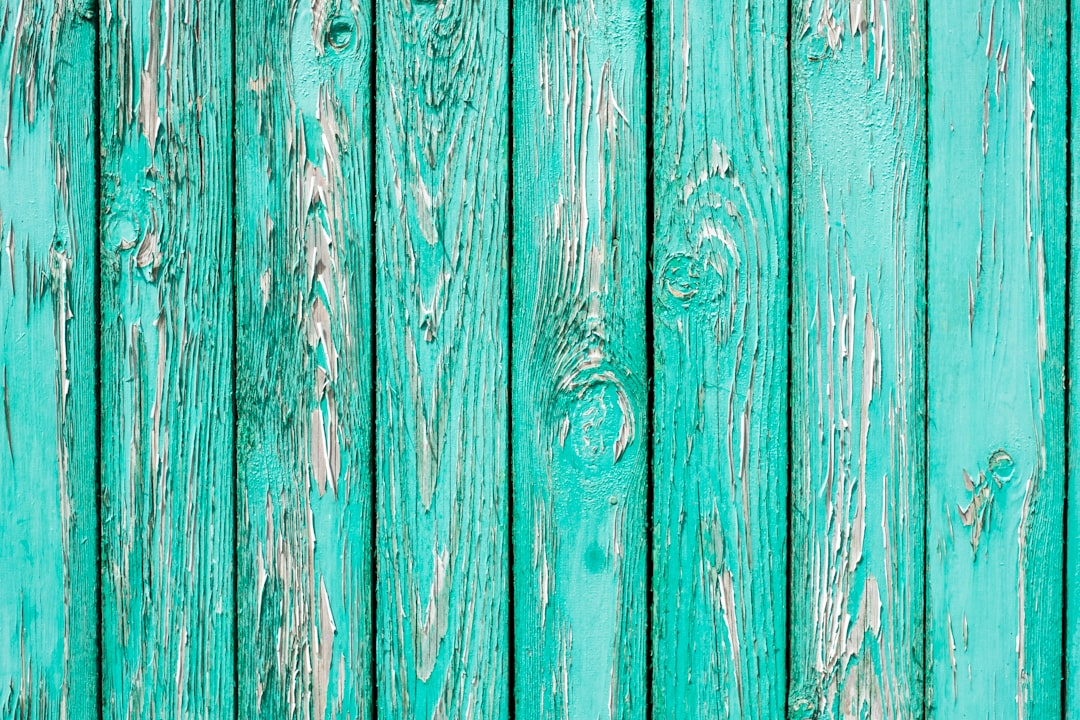
Colors That Go With Turquoise
Turquoise is a bright, energetic blue-green named after the gemstone — fresh, tropical, and instantly eye-catching. The best colors that go with turquoise are warm contrasts like coral and gold, balanced by clean neutrals such as white and gray, with navy and brown for grounding. Below are exact hex codes, ready palettes, and notes on using turquoise in branding, web design, and interiors.
What colors go with turquoise?
Turquoise (around #40E0D0) is a saturated cyan-leaning blue-green. Because it is cool and vivid, it pairs best with warm contrasts and clean neutrals. The strongest matches are:
- Coral (#FF6F61) — a warm orange-pink near turquoise’s complement, for vivid, tropical contrast.
- White (#FFFFFF) — a crisp neutral that makes turquoise look clean, airy, and coastal.
- Gold (#C9A227) — a warm metallic that turns turquoise rich and jewel-like.
- Navy (#1B2A4A) — a deep cool blue that grounds turquoise and adds structure.
- Gray (#8A8D91) — a quiet neutral that makes turquoise look modern rather than loud.
- Brown (#6B4F3A) — a warm earthy neutral that grounds turquoise in a natural, Southwestern way.
Best color combinations for turquoise
Turquoise is a blue-green, so warm oranges and reds sit opposite it on the wheel and act as its natural complementary colors — coral is the standout warm contrast. Navy and other blues read analogous and tonal, while gold and brown supply warmth without competing for hue. Because turquoise and teal overlap, see teal vs turquoise and shades of turquoise if you need to pin down your exact tone.
Turquoise + coral + white (fresh and tropical)
The liveliest pairing. Coral pops against turquoise while white keeps it breezy — a favorite for summer, travel, and beauty branding.
Turquoise + gold + navy (rich and elegant)
More luxurious and grown-up. Gold makes turquoise jewel-like and navy anchors it, ideal for upscale interiors and editorial design.
Turquoise + brown + cream (natural Southwestern)
An earthy warm-cool duo. Brown and turquoise echo the gemstone in silver-and-leather jewelry, with cream tying them into a relaxed, organic scheme.
Turquoise palettes with hex codes
| Pairing color | Hex | Why it works / mood |
|---|---|---|
| Coral | #FF6F61 | Near-complement; vivid contrast |
| White | #FFFFFF | Clean neutral; coastal and airy |
| Gold | #C9A227 | Warm metallic; jewel-like |
| Navy | #1B2A4A | Deep cool anchor; grounded |
| Gray | #8A8D91 | Neutral; modern and calm |
| Brown | #6B4F3A | Earthy neutral; natural warmth |
| Cream | #F5EFE6 | Soft warm neutral; relaxed |
Three ready palettes to copy:
- Fresh tropical: Turquoise #40E0D0 · Coral #FF6F61 · White #FFFFFF · Navy #1B2A4A
- Rich elegant: Turquoise #40E0D0 · Gold #C9A227 · Navy #1B2A4A · Cream #F5EFE6
- Natural Southwestern: Turquoise #40E0D0 · Brown #6B4F3A · Cream #F5EFE6 · Gold #C9A227
How to build a balanced turquoise palette
Turquoise is bright and saturated, so it works best as an accent or mid-weight color rather than a full-page field. A reliable structure is roughly 50–60% neutral (white, cream, or gray), 20–30% turquoise, and 10–20% a warm contrast like coral or gold. That warm note keeps the palette from feeling cold and one-note.
Turquoise’s undertone changes its best partners. A greener turquoise loves coral, brown, and gold for an earthy look, while a bluer, more aqua turquoise pairs with white, navy, and gray for a crisp coastal feel. Hold your tone against a teal swatch to see which way it leans; the teal vs turquoise distinction will guide your accent.
For digital and brand use, mid-tone turquoise can pass contrast for large text and UI accents but is risky for small body type, so pair it with charcoal or navy text. Understanding whether the rest of your scheme is warm or cool keeps the contrast deliberate; see warm vs cool colors.
Colors to avoid with turquoise
Turquoise is vivid and cool, so a few combinations work against it:
- Bright green or lime — too close in hue and equally loud, leaving the pairing chaotic and hard to read.
- Strong purple as a co-star — both saturated and cool, they fight rather than support each other; use purple only as a tiny accent.
- Muddy olive or mustard — these dull, yellow-green tones can make clean turquoise look dirty; choose clearer gold instead.
Turquoise in branding vs interiors
In branding, turquoise signals freshness, energy, health, and a playful, modern optimism, which suits travel, wellness, tech, and beauty brands. Pair it with white for clarity and coral or gold for an energetic accent, keeping turquoise for highlights and key UI elements. For the full process, see how to choose brand colors.
In interiors, turquoise brings life to tiles, textiles, and accent walls with a coastal or Southwestern feel. It loves white, cream, and warm wood, with brown, gold, or coral accents for warmth. Keep large turquoise surfaces balanced with plenty of neutral so the space feels fresh and current rather than overwhelming. See colors that go with dark green if you want a deeper, moodier blue-green instead.
Frequently Asked Questions
What is the best color to pair with turquoise?
Coral (#FF6F61) is the best partner for turquoise because it sits near turquoise’s complement and delivers warm, vivid contrast that feels tropical and lively. White keeps the pairing clean and coastal, while gold turns turquoise rich and jewel-like for a more elegant look.
Does turquoise go with gray?
Yes. Gray is one of the best neutrals for turquoise because it tones down the brightness and makes the color feel modern and intentional. Mid and warm grays work especially well; add a small warm accent like coral or gold so the scheme stays inviting rather than cold.
What colors go with turquoise in a living room?
White, cream, warm wood, and brown create a fresh, balanced turquoise living room. Add coral or gold accents for warmth and contrast. Plenty of neutral surfaces keep the bright blue-green feeling calm and coastal rather than overwhelming or dated.
Is turquoise a warm or cool color?
Turquoise is a cool color because it is a blue-green sitting between blue and green on the wheel. That coolness is why warm partners like coral, gold, and brown balance it so well, and why an all-cool palette of turquoise with navy and gray can feel chilly without a warm accent.