Emerald vs Teal: What’s the Difference?
The emerald vs teal comparison comes up because both are blue-greens, yet they sit at different points between green and blue and at very different brightness levels. Emerald is a luminous, green-dominant jewel tone; teal is a darker, grayer color balanced evenly between blue and green. Once you compare them, emerald clearly reads “green” while teal reads “blue-green.”
What is emerald?
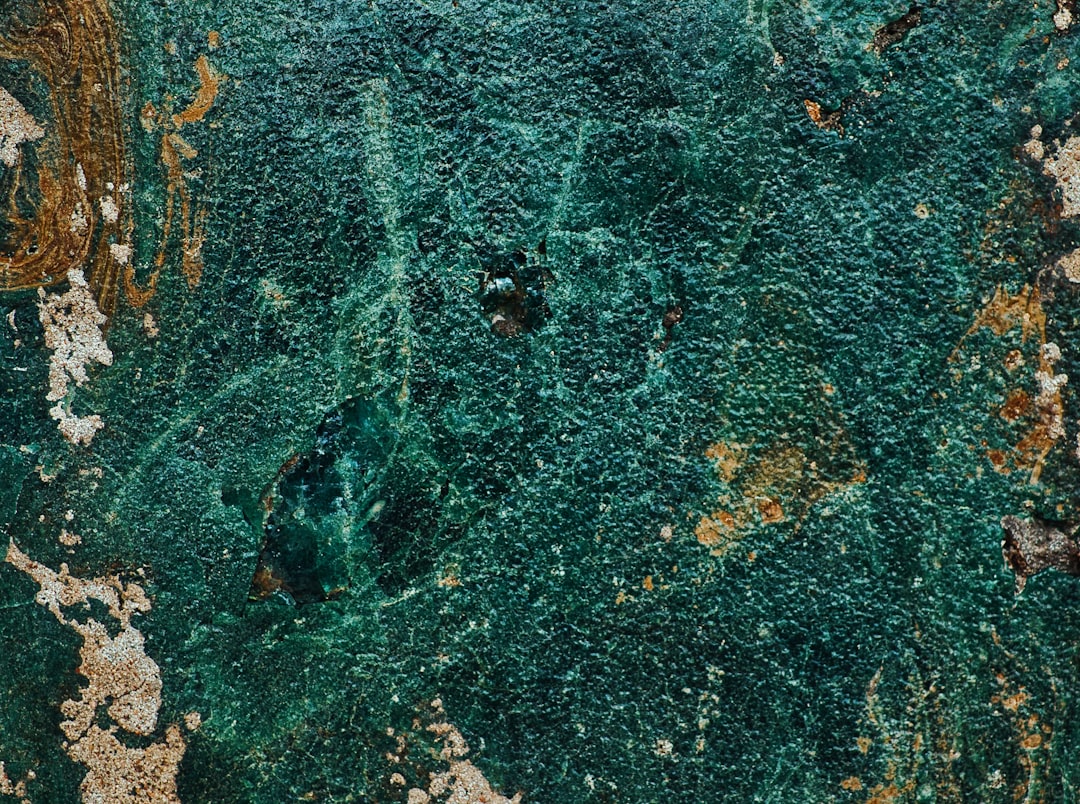
Emerald is a bright, saturated green named after the beryl gemstone. A common value is #50C878, vivid enough to feel almost luminous on screen. While it carries a slight blue lean that keeps it cool, emerald is fundamentally a green — the green dominates. That gemstone vibrancy is why emerald is a go-to for luxury branding, where it pairs with gold and cream to signal richness and freshness. As a high-saturation color, emerald works best as a focal accent rather than a wall-to-wall fill.
If you are weighing emerald against other deep greens, our comparisons of emerald vs forest green and jade vs emerald cover the brightness and warm-versus-cool distinctions in detail.
What is teal?
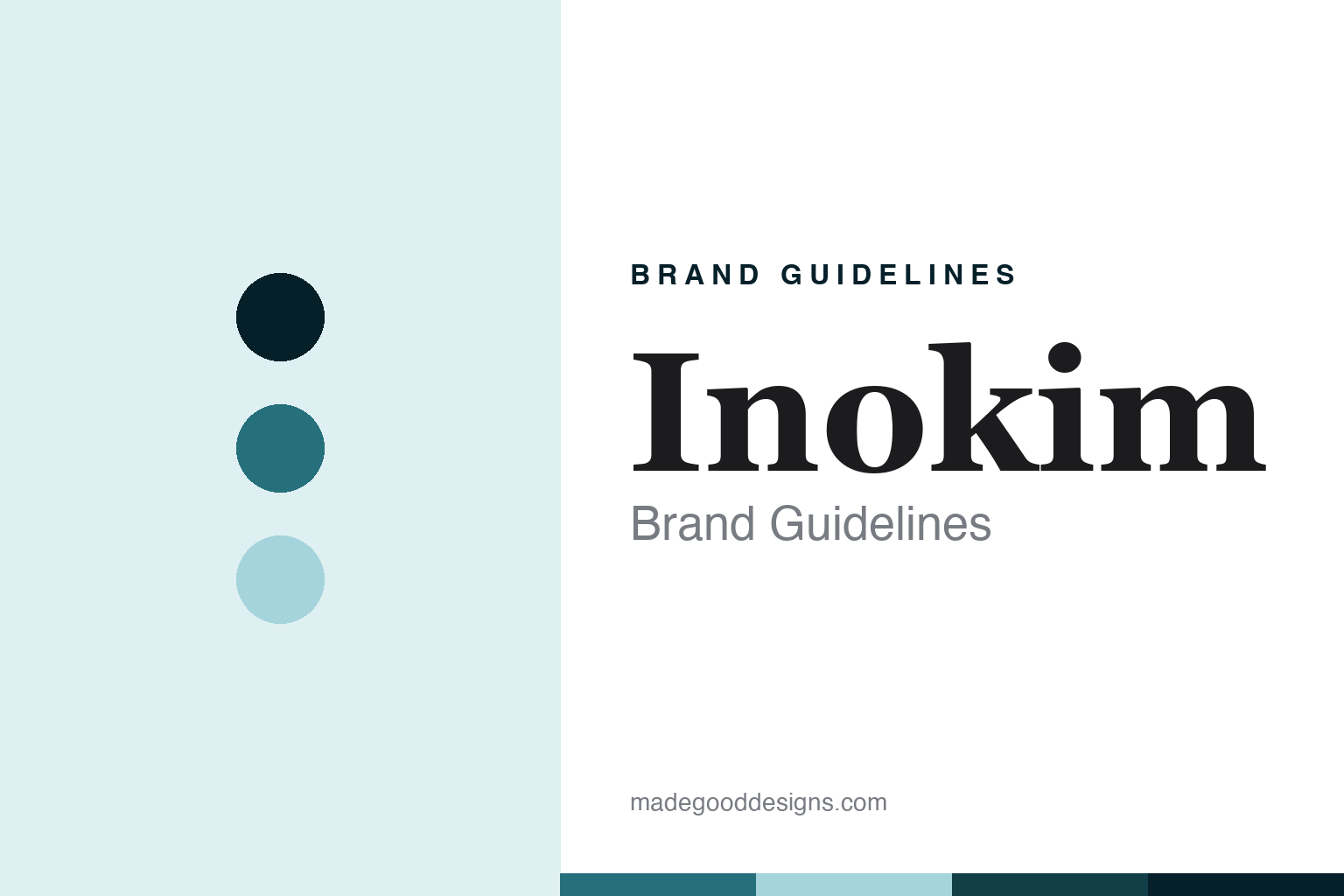
Teal is a darker, more muted blue-green named after the teal duck. The classic value is #008080, an exact balance of green and blue with no red, sitting precisely between the two on the color wheel. Compared with emerald, teal is deeper, grayer, and tilts noticeably toward blue. It reads as calm, sophisticated, and grounded rather than vivid and energetic. Teal is dark enough to carry larger areas and backgrounds, where emerald would be too intense.
The defining contrast: emerald glows and leans green; teal recedes and leans blue. For the wider range of blue-greens, our shades of turquoise guide maps how these colors shift from green to blue.
What’s the difference between emerald and teal?
The defining differences are hue position and brightness. Emerald leans green and is light and saturated; teal sits balanced between blue and green and is dark and muted. Emerald advances and energizes; teal recedes and calms. Here is a side-by-side with representative values — neither name is a fixed standard, so exact hexes vary.
| Property | Emerald | Teal |
|---|---|---|
| Hex code | #50C878 | #008080 |
| RGB | 80, 200, 120 | 0, 128, 128 |
| CMYK | 60, 0, 40, 22 | 100, 0, 0, 50 |
| Undertone | Cool, slight blue (green-dominant) | Cool, balanced blue-green |
| Hue family | Bright green (jewel tone) | Blue-green (cyan family) |
| Best used for | Luxury accents, hero elements, packaging foil | Backgrounds, calm branding, wellness/tech, larger areas |
| Mood/feel | Vivid, regal, energetic, fresh | Calm, sophisticated, grounded, modern |
When should you use each?
Use emerald when you want brightness, luxury, and a focal pop. Its saturation makes it ideal for call-to-action buttons, brand marks, jewelry and beauty packaging, and festive or spring designs where the green should draw the eye. Emerald pairs especially well with gold, cream, navy, and crisp white.
Use teal when you want calm depth that can carry larger areas. Its muted blue-green suits wellness, tech, and travel brands, dark-mode UI backgrounds, and sophisticated interiors. Teal pairs well with coral, gold, gray, white, and warm neutrals.
To tell them apart in practice, check brightness and hue. Emerald is clearly lighter and greener; teal is darker, grayer, and bluer. If you are balancing these cools against warm accents, our guide to warm vs cool colors explains how to keep a blue-green palette from feeling cold.
How are emerald and teal used across design?
In branding, emerald signals premium quality and energy — it appears in luxury, beauty, and finance brands that want a vivid, jewel-toned identity. Teal signals calm modernity and trust, favored by wellness, tech, and healthcare brands that want freshness without intensity. The brightness difference maps directly onto whether a brand reads luxurious-energetic or calm-sophisticated.
In fashion, emerald is a statement color for evening wear and standout pieces, flattering against gold and black. Teal is more versatile for everyday wear and accessories, offering richness that is easier to live with than emerald’s intensity. Both are jewel-adjacent, but emerald commands attention while teal complements.
In interiors and web design, emerald works as a luminous accent — a velvet chair, a tile detail, or a hero button — that pops against neutral surroundings. Teal can carry whole walls, cabinetry, and dark UI backgrounds because its muted depth is easy on the eye over large areas. Used together, teal grounds the scheme while emerald lights it up.
Print and screen behavior is worth flagging when choosing between them. Emerald’s high saturation renders crisp and brilliant in RGB on screen, but that same vibrancy often dulls when converted to CMYK for print, so critical brand applications may need a spot color or careful proofing. Teal, being darker and more muted, reproduces far more reliably across paper stocks and screens alike, which is part of why it is the safer choice for large fills and body-level surfaces. If a project spans both print and web, teal will hold its character more consistently while emerald demands closer color management.
Do emerald and teal go together?
Yes — they are a natural pairing because they share a blue-green base but differ in brightness and hue lean. Teal provides a calm, deeper foundation while emerald adds a luminous, green-dominant focal point, creating a layered jewel-toned palette with built-in contrast. Add gold or cream to enrich the combination. Both colors reward a clear hierarchy: let teal hold the background and reserve emerald for accents. See our color psychology guide for why these greens feel both luxurious and calming.
Frequently Asked Questions
Is emerald the same as teal?
No. Emerald is a bright, green-dominant jewel tone (around #50C878), while teal is a darker, grayer blue-green balanced evenly between blue and green (around #008080). Emerald reads as a vivid green; teal reads as a calm blue-green. They differ in both brightness and hue position.
Is teal greener or bluer than emerald?
Teal is bluer than emerald. Teal sits exactly between blue and green, while emerald leans clearly toward green. So although both are cool blue-greens, emerald is the green-dominant one and teal is the more blue-balanced one.
What is the hex code for emerald?
A commonly cited value is #50C878, a bright jewel-toned green with a slight blue lean. Emerald is not a fixed color standard, so brand and paint versions vary around this value, sometimes deeper or more saturated. Always confirm against brand guidelines for production work.
Which is better for backgrounds?
Teal is better for backgrounds and large areas because it is dark and muted, so it is easy on the eye and passes contrast checks against light text. Emerald is too bright and saturated for large fills; it works best reserved as a vivid accent against neutral surroundings.
Do emerald and teal go together?
Yes, very well. They share a blue-green base but differ in brightness and hue, so teal provides a calm foundation while emerald adds a luminous accent. The pairing reads rich and jewel-toned. Add gold or cream as a neutral to enrich the combination and define a clear hierarchy.