Garnet vs Ruby: What’s the Difference?
Garnet vs ruby is a comparison rooted in the world of gemstones. Both are deep reds that carry an inherent sense of luxury and richness, but they differ significantly in brightness, undertone, and mood. Garnet (~#733635) is a dark, brownish-red that feels earthy and subdued — like a stone held in shadow. Ruby (~#E0115F) is a vivid, bright red with a slight blue-pink undertone that sparkles with intensity and passion. Understanding the difference between garnet and ruby colors helps you choose the right jewel-toned red for branding, packaging, fashion, and red color palettes.
Garnet: The Dark Brownish-Red
Garnet is named after the garnet gemstone, a group of silicate minerals that come in many colors but are best known for their deep, dark red varieties. The name itself derives from the Latin “granatum,” meaning pomegranate, because garnet crystals resemble the fruit’s rich red seeds.
The typical hex code for garnet is #733635, with RGB values of (115, 54, 53). This is a noticeably dark red with a brownish, muted undertone. The nearly equal green and blue values keep the color warm and earthy, without the vibrancy or brightness associated with purer reds.
Garnet feels grounded, warm, and vintage. In color psychology, it draws on red’s associations with passion and strength but tempers them with the stability and seriousness of brown. The result is a color that reads as deeply mature — more contemplative than fiery, more enduring than flashy.
Garnet in Design and Fashion
Garnet is an excellent choice for designs that need richness without loudness. It works particularly well in heritage brands, artisan products, and autumn-themed projects. In fashion, garnet-toned accessories — leather goods, shoes, handbags — carry a timeless quality that transcends seasonal trends. In interior design, garnet brings warmth and intimacy to spaces, especially when paired with warm woods, aged brass, and textured fabrics.
Garnet also pairs beautifully with earth tones like olive, saddle brown, and terracotta, as well as creams and warm golds. It fits naturally into palettes inspired by autumn foliage, antique libraries, and old-world craftsmanship.
Ruby: The Vivid Red
Ruby is named after the ruby gemstone, one of the most precious stones in the world. Rubies get their famous red color from the element chromium, and the finest specimens display a vivid, saturated red sometimes described as “pigeon blood red.” The name comes from the Latin “rubeus,” meaning red.
The typical hex code for ruby is #E0115F, with RGB values of (224, 17, 95). This is a bright, highly saturated red with a noticeable blue-pink undertone. The significant red value paired with a moderate blue component creates a color that feels electric and alive — closer to a vivid pinkish-red than a brownish-red.
Ruby feels luxurious, passionate, and commanding. It is the red of desire, power, and celebration. Where garnet whispers, ruby declares. In design, ruby is a statement color that immediately becomes the focal point of any composition.
Ruby in Branding and Design
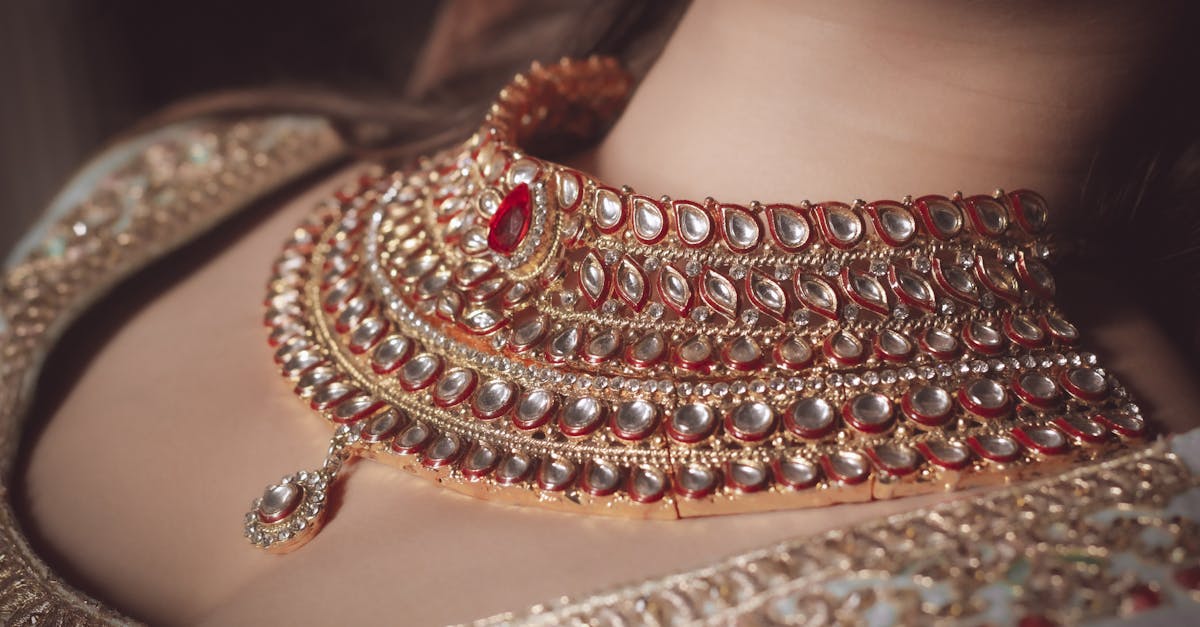
Ruby is a powerful branding color for luxury, beauty, and fashion brands. Think of iconic red soles, red lipstick, and red carpet events — ruby captures that aspirational, high-glamour energy. It pairs strikingly with black for maximum drama, with white for bold contrast, and with gold for opulent luxury. In packaging design, ruby-toned elements signal premium quality and desirability.
In graphic design and web design, ruby works as a high-impact accent color. It excels in call-to-action buttons, featured headlines, and highlight elements where you need the viewer’s eye to land immediately. Because of its intensity, it is best used sparingly against neutral or dark backgrounds.
Key Differences Between Garnet and Ruby
- Brightness: Garnet is dark and muted; ruby is bright and vivid.
- Undertone: Garnet has a warm, brownish undertone; ruby has a cool, blue-pink undertone.
- Saturation: Garnet is desaturated and earthy; ruby is highly saturated and electric.
- Mood: Garnet is understated, vintage, and grounded; ruby is glamorous, passionate, and bold.
- Formality: Garnet leans rustic and heritage; ruby leans luxurious and contemporary.
- Named after: Garnet = garnet gemstone (silicate mineral); ruby = ruby gemstone (corundum mineral).
Hex Codes and Design Use
- Garnet: #733635 | RGB (115, 54, 53) — dark, warm, brownish-red
- Ruby: #E0115F | RGB (224, 17, 95) — vivid, bright, blue-pink red
- Dark Ruby: #9B111E | RGB (155, 17, 30) — a deeper, less pink variant
- Light Garnet: #8B4745 | RGB (139, 71, 69) — a slightly lighter, softer garnet
Garnet and ruby both contribute to deep red color harmonies, but they serve different roles. Garnet is a background or grounding color — its low saturation makes it suitable for large areas without overwhelming the viewer. Ruby is an accent or hero color — its high saturation makes it ideal for focal points and dramatic moments.
For complementary pairings, garnet works with muted greens and teals, while ruby pairs with bright cyan and emerald green. Both look stunning alongside metallics: garnet with aged brass and bronze, ruby with polished silver and platinum.
When to Use Each
Choose garnet when:
- You want a deep red that feels classic, understated, and warm
- Your project has a heritage, artisan, or autumn theme
- You are building a dark palette with earth tones and warm neutrals
- You need a dark red for large areas that will not overwhelm the design
Choose ruby when:
- You want a vivid red that commands attention and conveys luxury
- Your project involves beauty, fashion, jewelry, or high-end branding
- You need a striking accent color against dark or neutral backgrounds
- You want to evoke passion, desire, and celebration
Frequently Asked Questions
Is ruby brighter than garnet?
Yes, significantly. Ruby (#E0115F) is a bright, vivid red with high saturation, while garnet (#733635) is a dark, muted red with low saturation. Placed side by side, ruby appears to glow with intensity while garnet recedes into shadow.
Are garnet and ruby related to maroon and burgundy?
All four are dark reds, but they differ in undertone and brightness. Garnet is closest to maroon in its dark, brownish quality, though garnet is typically slightly lighter. Ruby is much brighter than any of them and has a distinctive pink undertone that sets it apart from the deeper, more subdued burgundy and maroon.
What colors pair well with garnet?
Garnet pairs beautifully with cream, gold, olive green, burnt orange, and warm gray. It sits naturally in earth tone palettes and warm color schemes. For contrast, try pairing it with soft sage or dusty blue.
Can garnet and ruby be used together?
Yes. The contrast between garnet’s muted depth and ruby’s vivid brightness creates a dynamic, layered red palette. Use garnet for backgrounds, borders, or large areas and ruby for accents, headlines, or key design elements. This pairing works particularly well in luxury and jewelry-themed designs.