Jade vs Emerald: What’s the Difference?
Both jade and emerald are lush, sophisticated greens inspired by precious gemstones, but they project very different moods. Jade is a softer, more muted yellow-green that feels calm and grounded, while emerald is a deeper, more vivid blue-green that radiates luxury and intensity. Understanding the difference between jade and emerald helps designers, brand strategists, and creatives pick the right shade for every project — from sustainability campaigns to high-end packaging.
In this guide we break down the jade vs emerald color debate, compare hex codes, and share practical tips for using each in digital and print design. If you want a broader look at green shades, check out our green color palette resource.
Jade: The Soft Yellow-Green
Jade takes its name from the ornamental stone treasured for centuries in East Asian, Mesoamerican, and Maori cultures. The color sits in the yellow-green region of the spectrum, giving it a warm, earthy undertone that sets it apart from cooler greens.
Characteristics of Jade
Jade is typically represented by hex code #00A86B. In the HSL model it sits at roughly 158 degrees on the hue wheel, placing it between green and cyan but with a noticeable lean toward yellow. Its saturation is high, yet its lightness is moderate, which gives it a muted, organic quality rather than a neon punch.
Compared to a pure green, jade feels more restrained and natural — like a polished stone rather than a traffic light. It pairs beautifully with warm neutrals, golds, and creamy whites, making it a favorite in wellness branding, eco-friendly packaging, and interior design palettes.
Cultural and Psychological Associations
In color psychology, jade evokes balance, harmony, and healing. Its connection to the jade gemstone lends it connotations of wisdom, prosperity, and protection. Brands in the wellness, sustainability, and luxury sectors frequently lean on jade to signal authenticity and calm sophistication.
Emerald: The Deep Blue-Green
Emerald is named after the beryl gemstone prized since antiquity by Egyptian pharaohs and Roman emperors. The color occupies a cooler, bluer position on the green spectrum, and its higher saturation gives it a jewel-toned vibrancy that commands attention.
Characteristics of Emerald
Emerald is commonly rendered as hex #50C878, though deeper interpretations like #046307 or #009B77 (Pantone’s 2013 Color of the Year) are also widely used. On the hue wheel it falls around 140–150 degrees, nudging it toward blue-green. The result is a rich, saturated shade that feels cool, regal, and unmistakably luxurious.
Where jade whispers, emerald declares. Its intensity makes it a natural choice for focal points — hero banners, call-to-action buttons, or headline accents — wherever a designer wants the eye drawn immediately.
Cultural and Psychological Associations
Emerald carries associations of wealth, renewal, and royalty. It is deeply tied to Irish heritage, the Wizard of Oz’s Emerald City, and countless luxury fashion houses. In branding, emerald signals prestige and ambition, making it popular with financial institutions, jewelers, and high-end hospitality brands.
Key Differences
While both colors live in the green family, their differences become clear when you compare them side by side:
- Hue: Jade leans yellow-green; emerald leans blue-green.
- Tone: Jade is softer and more muted; emerald is vivid and saturated.
- Lightness: Jade tends to be slightly lighter and more earthy; emerald is deeper and more jewel-toned.
- Temperature: Jade reads warmer due to its yellow undertone; emerald reads cooler due to its blue undertone.
- Mood: Jade feels organic, balanced, and calm; emerald feels regal, bold, and opulent.
- Origin: Both are named after gemstones, but jade references nephrite and jadeite, while emerald references the beryl mineral.
For a deeper dive into how warm and cool greens interact, our guide on warm vs cool colors is a helpful companion read.
Hex Codes and Design Use
Here are the most common hex representations for each color, along with their RGB and CMYK breakdowns:
- Jade (#00A86B): RGB 0, 168, 107 | CMYK 100, 0, 36, 34
- Emerald (#50C878): RGB 80, 200, 120 | CMYK 60, 0, 40, 22
In digital design, jade works exceptionally well as a secondary or accent color alongside neutral backgrounds. Its muted quality prevents it from overwhelming a layout, which makes it excellent for navigation elements, icons, and subtle hover states.
Emerald, on the other hand, thrives as a primary brand color or hero-section background. Its vibrancy ensures legibility when paired with white or light text, and it photographs beautifully in product shots and social media graphics.
When working in print, remember that CMYK gamuts handle saturated greens differently than screens. Always proof emerald carefully, as its blue-green intensity can shift during four-color printing. Our CMYK vs RGB guide covers the technical details.
When to Use Each
Choose Jade When You Want
- A natural, organic feeling — wellness brands, eco-friendly products, herbal teas.
- A softer alternative to bold greens in minimalist layouts.
- Warm-neutral palettes that need a gentle pop of color. Jade pairs perfectly with earth tone palettes.
- Cultural or heritage projects referencing East Asian design traditions.
Choose Emerald When You Want
- A luxurious, high-impact statement — jewelry brands, premium packaging, five-star hospitality.
- A bold primary color that anchors an entire visual identity.
- Cool-toned palettes that evoke sophistication and confidence.
- Seasonal designs tied to spring renewal or holiday opulence.
Both colors can work together in a gradient or duotone treatment, transitioning from jade’s warmth to emerald’s depth for a dynamic, gemstone-inspired effect.
FAQ
Is jade greener or bluer than emerald?
Jade is greener with a yellow undertone, while emerald is greener with a blue undertone. On the color wheel, jade sits closer to yellow-green and emerald sits closer to blue-green, which is why emerald appears cooler to the eye.
Can I use jade and emerald together in a design?
Absolutely. Because they share the green family but differ in temperature and saturation, jade and emerald create a rich, layered palette when combined. Use emerald for primary elements and jade for secondary accents, or blend them in a gradient for a gemstone-inspired look.
Which color is better for sustainability branding?
Jade is often the preferred choice for sustainability and eco-friendly branding because its muted, earthy quality feels authentic and grounded. Emerald can also work, especially for premium sustainable brands that want to communicate both environmental responsibility and luxury. Explore more about how green shades influence perception in our color psychology overview.
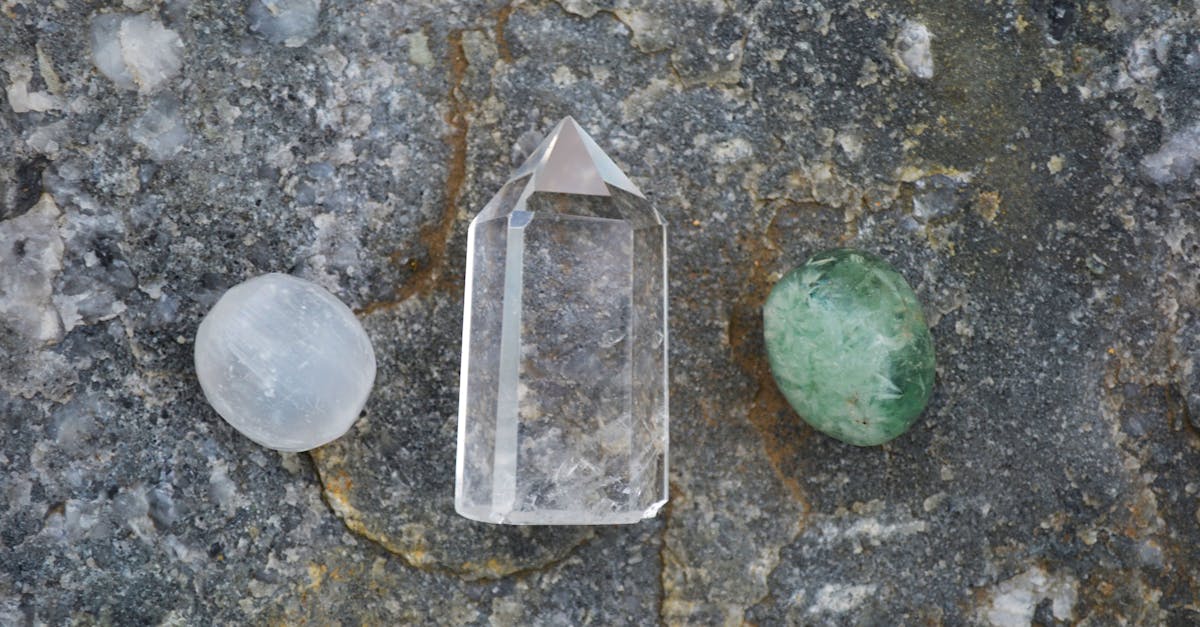
Are jade and emerald the same as the gemstone colors?
The design colors are inspired by the gemstones but are not exact matches. Real jade ranges from nearly white to deep green, and natural emeralds vary widely in tone. The hex values used in design (#00A86B for jade, #50C878 for emerald) represent idealized, standardized versions of these gemstone hues.