Khaki vs Tan: What’s the Difference?
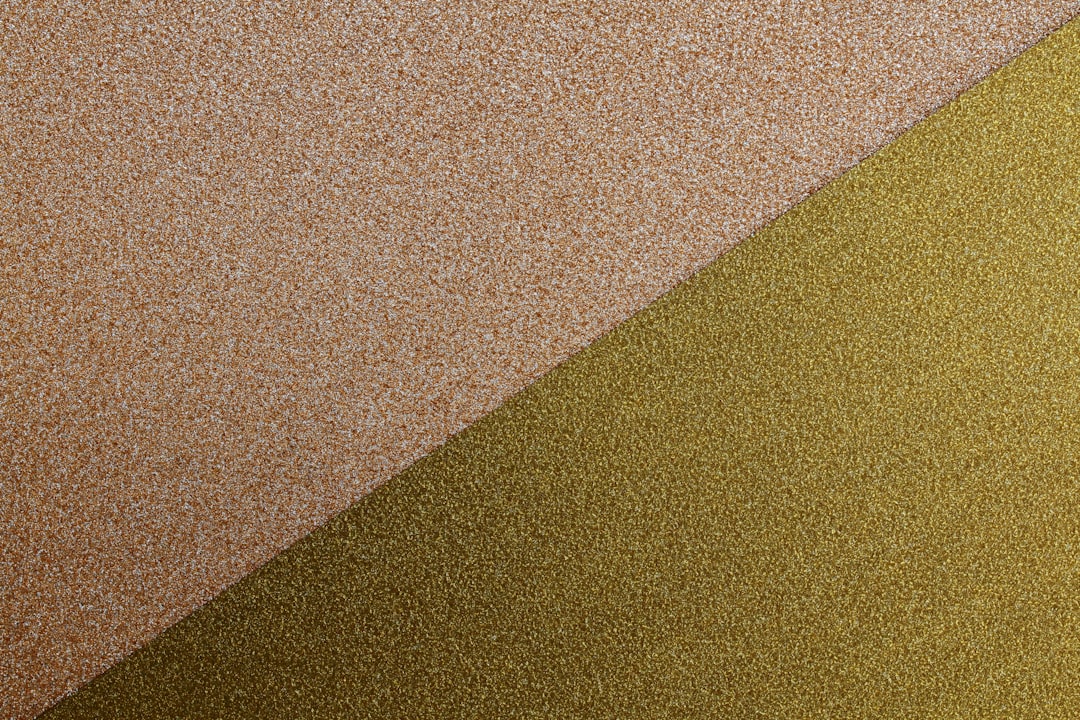
The khaki vs tan mix-up happens because both are mid-light earth neutrals in roughly the same brightness range. The difference is undertone: tan is a clean warm brown with golden-beige warmth, while khaki pulls toward green and yellow, giving it that dusty, olive-tinged, utilitarian feel. Once you spot the green in khaki, you’ll never confuse the two again.
What is tan?
Tan is a pale, warm brown — the color of light leather or sand. A widely used representative value is #D2B48C. Its undertone is straightforwardly warm: golden and slightly orange, with no green. Tan sits a step darker than beige and reads as soft, approachable, and natural. It’s a staple in fashion (chinos, suede, trench coats), interiors, and earthy brand palettes.
If you’re deciding between tan and its lighter cousins, our tan versus beige comparison covers where warm light brown ends and beige begins.
What is khaki?
Khaki originally described the dust-colored fabric of military uniforms, and the color name still carries that earthy, utilitarian association. A representative value is around #B5A642, though “khaki” in fashion often runs lighter and more muted. The defining trait is its green-yellow (olive) undertone — khaki is essentially a desaturated yellow-green-brown rather than a pure warm brown. That cast is what separates it from tan.
Confusingly, the web-standard CSS color named “khaki” (#F0E68C) is much lighter and yellower than the khaki most people picture from clothing. This is a great example of why color names aren’t reliable on their own — the same word points to noticeably different colors depending on context.
What’s the difference between khaki and tan?
The core difference is the undertone: tan is warm with golden-brown warmth and no green, while khaki carries a green-yellow olive cast. Khaki tends to read cooler and dustier; tan reads warmer and cleaner. Here’s a side-by-side with representative values — exact hexes vary widely because both names cover a range.
| Property | Khaki | Tan |
|---|---|---|
| Hex code | #B5A642 | #D2B48C |
| RGB | 181, 166, 66 | 210, 180, 140 |
| CMYK | 0, 8, 64, 29 | 0, 14, 33, 18 |
| Undertone | Green-yellow (olive) | Warm golden brown |
| Hue family | Muted yellow-green / earth tone | Warm brown / earth tone |
| Best used for | Utility/outdoor branding, military and workwear, earthy palettes | Fashion neutrals, leather/suede tones, warm interiors |
| Mood/feel | Rugged, earthy, utilitarian, dusty | Warm, soft, natural, classic |
When should you use each?
Use tan when you want clean, warm, approachable neutrality — leather goods, heritage fashion, cozy interiors, and natural or artisanal brand palettes. Tan flatters skin tones and warm woods and pairs effortlessly with cream, brown, and navy.
Use khaki when you want an earthy, rugged, or outdoorsy character. Its olive undertone signals utility and adventure, which is why it dominates workwear, outdoor gear, and military-inspired branding. Khaki pairs well with olive green, brown, black, and orange accents.
To distinguish them in practice, look for green. Set the two swatches side by side: khaki will reveal a dusty olive or yellow-green tint, while tan stays a clean golden brown. If you’re unsure whether you’re looking at warm or cool earth tones, our guide to warm versus cool colors explains how undertone shifts the whole feel.
How are khaki and tan used across design?
In fashion, the two split along character lines. Tan is the color of classic leather goods, camel coats, and refined chinos — it reads as warm, polished, and timeless. Khaki is the color of utility: cargo trousers, field jackets, and outdoor gear, where its olive-dusty cast signals function over formality. Both are wardrobe neutrals, but tan dresses up while khaki dresses down.
In branding, tan supports artisanal, heritage, and natural-product identities — coffee, leather, skincare — because its clean warmth feels handcrafted and approachable. Khaki supports outdoor, adventure, and workwear brands, where its military lineage reads as durable and no-nonsense. The undertone difference maps directly onto these brand personalities.
In interiors and web design, tan adds cozy warmth as a wall color or background and pairs with cream and brown for an inviting, earthy scheme. Khaki works as a grounding mid-tone in nature-inspired or military-modern palettes, sitting comfortably alongside olive, rust, and deep brown. Because both are muted, they make excellent backdrops that let accent colors lead.
Do khaki and tan go together?
Yes — they’re natural partners in an earth-tone palette. Because both are muted mid-light neutrals, they layer comfortably for a tonal, outdoorsy scheme. The slight temperature contrast (tan’s warmth against khaki’s cooler olive) keeps the pairing from looking flat. Add brown, olive, or a warm white to round out the look. This is a go-to combination in heritage menswear and natural-product packaging.
For a softer neutral foundation under these earth tones, see how the lighter warm neutrals behave in our bone versus ivory comparison from this same batch.
Frequently Asked Questions
Is khaki green or brown?
Khaki is essentially a muted, dusty brown with a green-yellow (olive) undertone, so it sits between brown and green. Clothing khakis can lean more brown or more olive depending on the fabric, which is why the color reads differently across brands and garments.
Is tan the same as khaki?
No. Tan is a warm, golden light brown with no green, while khaki carries a distinct olive, green-yellow cast. They occupy a similar lightness range, which is why people confuse them, but the green undertone in khaki is the clear distinguishing feature.
What is the hex code for khaki?
It depends on context. The CSS web color “khaki” is #F0E68C, a light yellow, but the earthier khaki most people picture from clothing is closer to #B5A642 or muted olive-tan values. Because the name isn’t standardized, khaki spans a wide hex range.
What colors go with khaki?
Khaki pairs well with olive green, brown, black, navy, white, and rust or burnt-orange accents. Its earthy olive undertone makes it a natural base for outdoorsy, utilitarian, and heritage palettes, and it grounds brighter accent colors without competing with them.
Is tan a warm or cool color?
Tan is a warm color. Its golden, slightly orange undertone places it firmly on the warm side of the spectrum, which is why it pairs so well with other warm neutrals like cream and brown and feels cozy rather than crisp in interiors and fashion.