Mustard Color Meaning and Symbolism
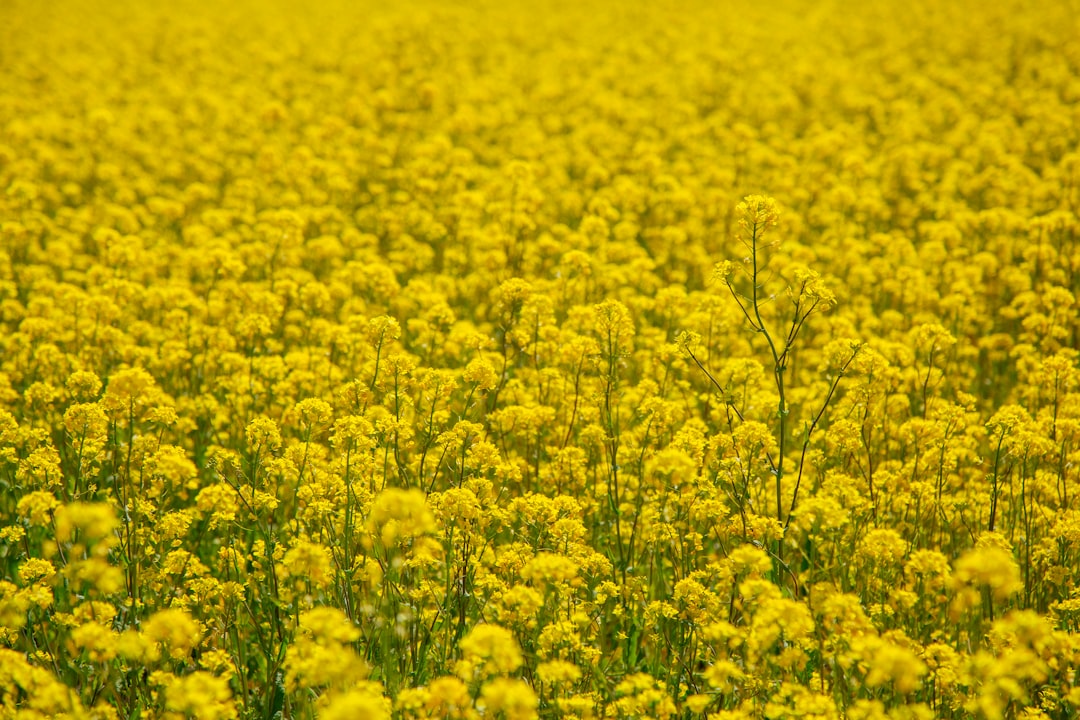
Named after the pungent yellow condiment, mustard is a rich, slightly muted yellow with brown undertones that give it depth and warmth. The mustard color meaning blends the cheerful optimism of yellow with a grounded, vintage maturity that brighter yellows lack. Mustard radiates energy and creativity while feeling cozy and nostalgic, which explains its strong association with mid-century and 1970s design.
What does mustard symbolize?
Mustard symbolizes warmth, optimism, and creative energy. As a deepened yellow, it carries yellow’s associations with happiness, intellect, and positivity, but its earthy, golden cast adds richness, comfort, and a sense of established style. Mustard represents vintage charm and nostalgia, frequently evoking autumn, harvest, and the warmth of golden light. It also signals confidence and individuality, since it is a bolder, more unconventional choice than primary yellow. In many contexts, mustard suggests abundance, sunshine, and earthy vitality. Because it occupies the space between bright yellow and warm brown, mustard reads as both lively and dependable, conveying a friendly, lived-in optimism rather than the sharp energy of pure yellow.
The psychology of mustard
Psychologically, mustard stimulates feelings of warmth, cheer, and creativity while remaining grounded. Pure bright yellow can feel overstimulating or anxious in large doses, but mustard’s brown undertone tempers that intensity, producing a happy yet calming and cozy effect. The color draws the eye and conveys energy and optimism, encouraging an upbeat, sociable mood. At the same time it feels mature and comforting, like sunlight in the late afternoon. Mustard can also read as retro or slightly unusual, which lends a distinctive, characterful personality to designs. To explore how warm hues influence emotion, see our overview of color psychology.
Mustard symbolism across cultures
As a shade of yellow, mustard inherits many of yellow’s cultural associations, which vary considerably around the world. In many Western contexts, golden-yellow tones connote sunshine, optimism, warmth, and harvest, and mustard specifically carries strong nostalgic ties to mid-century and 1970s aesthetics. In some Asian cultures, yellow and gold are tied to prosperity, royalty, and the sacred, lending deeper hues a sense of richness. Because mustard is muted and earthy, it can also evoke spice, autumn foliage, and agriculture across cultures. As with most yellows, however, interpretations differ, so meaning depends heavily on context and pairing.
Positive and negative associations of mustard
| Positive | Negative |
|---|---|
| Warmth, optimism, and energy | Can feel dated or overly retro |
| Creativity and individuality | May appear muddy if poorly paired |
| Cozy, vintage, and earthy charm | Risk of seeming sickly or harsh in excess |
Mustard in branding and marketing
Mustard is a favorite for brands that want to feel warm, creative, and distinctive without resorting to a loud primary color. It appears in food and beverage branding (naturally, given the condiment link), as well as in fashion, hospitality, and lifestyle products with a retro or artisanal feel. Creative agencies and independent makers use mustard to signal personality, originality, and approachable energy. Because it stands out yet feels grounded, mustard works well as an accent that adds warmth and optimism to otherwise neutral palettes, and it pairs especially well with earthy, vintage-inspired brand identities.
Colors that go well with mustard
Mustard pairs strikingly with cool tones that balance its warmth. Slate or navy blue (#2F4F4F or #1F2A44) creates a rich, sophisticated contrast that feels modern and grounded. Soft teal (#3A8E8C) offers a fresh, retro-leaning complement, while charcoal gray (#36454F) lets mustard pop dramatically. For warmer, autumnal schemes, blush pink (#E8C4C4) and burnt orange (#CC5500) build a cozy harvest palette. Discover more about high-contrast pairings in our guide to complementary colors.
Shades and variations of mustard
Mustard spans bright to deeply earthy tones. Classic mustard (#E1AD01) is a rich golden yellow, while mustard yellow (#FFDB58) is brighter and more vivid. Dijon (#C49102) is darker and browner, evoking the namesake condiment, and old gold (#CFB53B) leans toward antique metallic. Honey mustard warms toward amber, while a greener mustard edges toward olive (#808000). These variations let designers choose between a punchy, sunny mustard and a deep, vintage golden tone depending on the desired mood. Lighter, brighter mustards feel playful and contemporary, while darker Dijon and old-gold tones lean elegant and antique, making the family remarkably adaptable across both modern and retro design systems.
Frequently Asked Questions
What does the color mustard mean?
Mustard means warmth, optimism, and creative energy. As a deep, earthy golden-yellow, it combines yellow’s cheerfulness with a grounded, vintage maturity. It symbolizes nostalgia, autumn, and individuality, conveying an upbeat yet cozy mood that feels distinctive and characterful in design.
What emotions does mustard evoke?
Mustard evokes happiness, warmth, and creativity tempered by a sense of coziness and nostalgia. Its golden glow feels optimistic and energizing, while its earthy undertone keeps it from being overstimulating. The result is a cheerful, inviting, and slightly retro emotional tone.
What colors go with mustard?
Mustard pairs beautifully with cool tones like navy, slate, and teal for sophisticated contrast, and with charcoal or gray to make it pop. For warmer, autumnal palettes, combine mustard with blush pink, burnt orange, and earthy browns. White and cream keep mustard-led schemes bright and clean.
Is mustard warm or cool?
Mustard is a warm color. As a golden-yellow with brown undertones, it sits firmly on the warm side of the spectrum, evoking sunshine, autumn, and earthiness. Its warmth is what gives mustard its cozy, inviting, and energetic character. See our guide to warm vs cool colors.
Why is mustard associated with vintage and retro style?
Mustard is strongly tied to mid-century and 1970s design, when earthy golds, oranges, and browns dominated interiors, fashion, and graphics. This historical popularity cemented mustard as a nostalgic, retro color, so it continues to evoke vintage charm and a warm, characterful sense of the past.