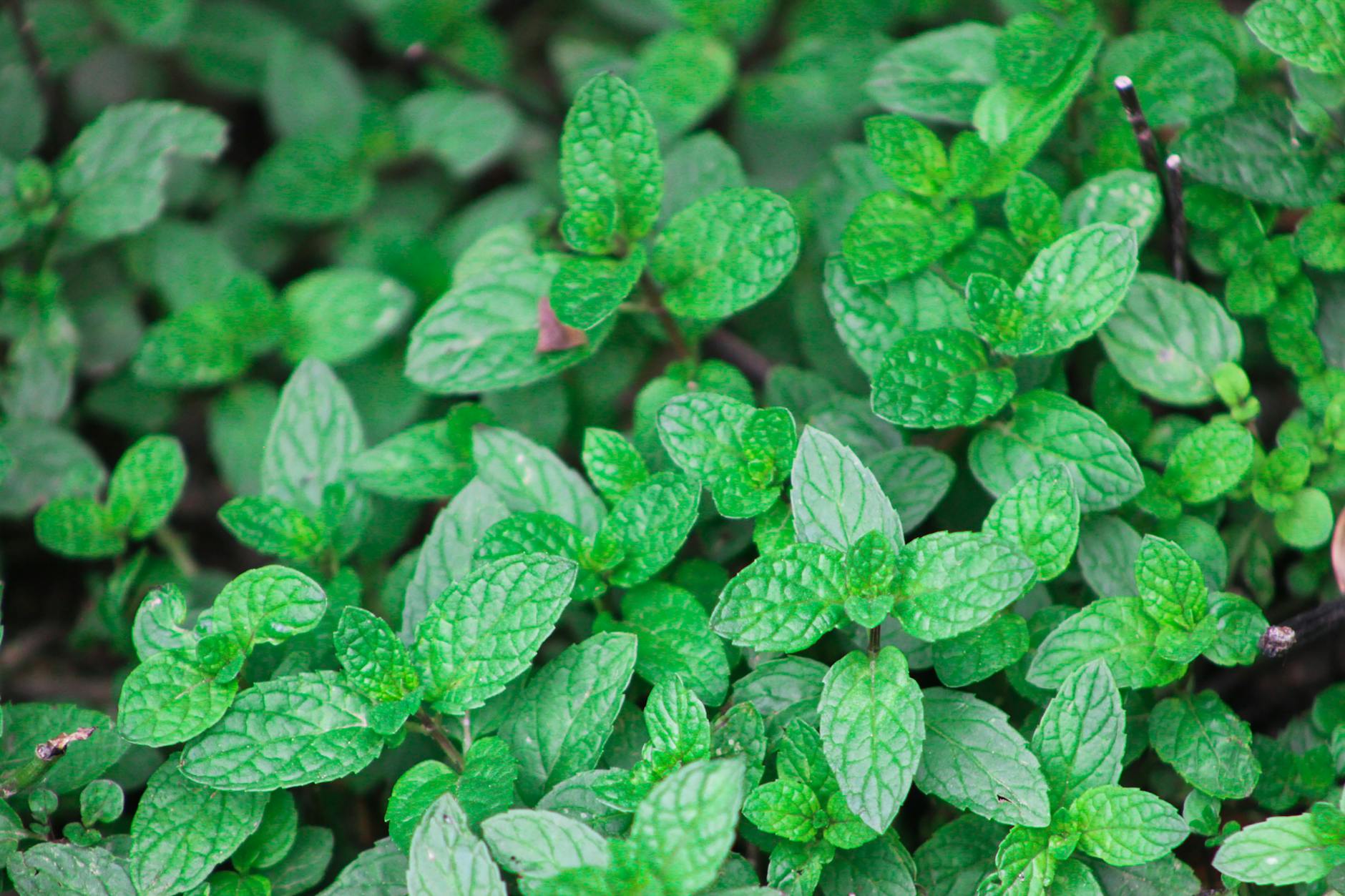
Sage vs Mint: What’s the Difference?
Both sage and mint are popular greens, but the comparison of sage vs mint reveals two colors that could hardly be more different in mood and energy. Sage is a muted, gray-green that feels earthy and mature. Mint is a bright, cool blue-green that feels fresh and energetic. Despite sharing the green family, they sit on opposite ends of the saturation and personality spectrum, which means they serve completely different purposes in design.
Let’s examine what defines each color, how they compare on every important design property, and when to choose one over the other.
Sage: The Earthy Gray-Green
Sage green takes its name from the culinary herb known for its dusty, silvery-green leaves. The standard sage hex code is approximately #BCB88A, with popular design variations including #B2AC88, #87AE73, and #9CAF88.
The hallmark of sage is its low saturation and gray undertone. It is a green that has been deliberately quieted down, stripped of vibrancy, and softened with gray. This makes sage feel grounded, natural, and sophisticated in a way that brighter greens simply cannot achieve.
Characteristics of Sage Green
- Undertone: Gray, sometimes with a warm yellowish or cool bluish secondary undertone.
- Saturation: Low. Sage is one of the most muted greens in common use.
- Lightness: Medium. Not bright, not dark — settled and calm.
- Mood: Sophisticated, calming, earthy, mature, organic.
- Associations: Herbs, natural linen, pottery, minimalist interiors, wellness.
Sage is a cornerstone of the green color palette in modern design. It pairs effortlessly with cream, white, taupe, blush, and other soft neutrals. Interior designers, in particular, have embraced sage as a go-to wall color for creating calm, nature-connected spaces.
Mint: The Fresh Cool Green
Mint green takes its name from the peppermint plant and captures the bright, cool freshness associated with the herb. The standard mint hex code is approximately #98FF98, though practical design applications often use slightly less intense versions like #AAF0D1 or #B2DFDB.
What defines mint is its high lightness and cool blue undertone. Mint is essentially a very light, bright green with a noticeable lean toward cyan or aqua. This gives it an energetic, clean, almost effervescent quality that feels youthful and fresh.
Characteristics of Mint Green
- Undertone: Cool blue or cyan. Mint always has a visible blue-green quality.
- Saturation: Moderate to high. Mint retains clear chromatic energy.
- Lightness: High. Mint is a distinctly light color, bordering on pastel.
- Mood: Fresh, youthful, clean, playful, energetic.
- Associations: Toothpaste, ice cream, spring, retro diners, candy.
Mint is a staple of the pastel color palette and retro-inspired design. It pairs well with white, coral, peach, soft pink, and other bright pastels. Its high energy makes it popular in food packaging, children’s products, and brands that want to communicate freshness or fun.
Key Differences Between Sage and Mint
Here is a direct breakdown of how sage vs mint green compare:
- Saturation: Sage is heavily muted. Mint is bright and chromatic.
- Lightness: Sage is medium-toned. Mint is light and airy.
- Temperature: Sage can lean either warm or cool depending on the variation. Mint is consistently cool.
- Energy level: Sage is low-energy and calming. Mint is high-energy and invigorating.
- Formality: Sage reads as mature and sophisticated. Mint reads as youthful and casual.
- Undertone: Sage has gray undertones. Mint has blue-cyan undertones.
If you think of these colors as personalities, sage is a quiet afternoon in a garden, while mint is a bright morning at a farmers’ market. They share the green family but express it in entirely different registers.
Hex Codes and Design Use
For precise digital work, here are the most common hex values for each color:
Sage green variations:
- Classic sage: #BCB88A
- True sage: #87AE73
- Silver sage: #9CAF88
- Warm sage: #B2AC88
Mint green variations:
- Bright mint: #98FF98
- Soft mint: #AAF0D1
- Material mint: #B2DFDB
- Pastel mint: #C7F2E4
In practical design, mint’s high brightness can be overwhelming if used in large areas, so many designers opt for softer mint variations as backgrounds and reserve brighter versions for accents. Sage, by contrast, is comfortable in large applications like wall colors, full-page backgrounds, and dominant brand colors because its low saturation avoids visual fatigue.
When to Use Each
Choose Sage When You Want
- A calm, grounded, natural atmosphere.
- Sophistication and maturity in your color palette.
- Pairing with earth tones, neutrals, and warm naturals.
- Interior walls, large backgrounds, or dominant brand colors.
- Wellness, organic, sustainability, or minimalist branding.
Choose Mint When You Want
- Freshness, energy, and a youthful feel.
- A bright accent that still reads as green rather than blue.
- Pairing with other pastels, white, or warm pinks and corals.
- Food packaging, beauty products, or playful branding.
- Retro-inspired, spring, or summer design themes.
The two colors rarely appear together in a single palette because their saturation levels are so different. Sage’s mutedness clashes with mint’s brightness, creating a visual dissonance. If you need both a muted and a bright green, consider pairing sage with a soft teal or mint with a light olive for better tonal harmony.
FAQ
Is sage green darker than mint?
Sage green is typically medium-toned while mint is a light color, so yes, sage usually appears darker than mint. However, the more important difference is saturation: sage is muted and gray-toned while mint is bright and chromatic. The saturation gap is actually more noticeable than the lightness gap in most direct comparisons.
Can sage and mint be used together in a design?
It’s challenging because their saturation levels are so different. Sage’s muted quality can look dull next to mint’s brightness, while mint can look garish against sage’s subtlety. If you want to combine them, use a generous amount of white space and neutral tones as buffers. However, for most projects, picking one or the other gives a more cohesive result.
Which green is more trendy right now?
Sage green has been the dominant trend in interior design, branding, and fashion since the early 2020s, and it shows no signs of slowing down. Mint green had its major trend moment in the 2010s retro revival and remains popular in food, beauty, and playful consumer brands. In terms of color psychology, both colors tap into the growing desire for natural, calming hues, though sage does so more subtly.
What is the best neutral to pair with sage vs mint?
Sage pairs best with warm neutrals: cream, warm white, tan, and soft brown. These complement sage’s earthy quality. Mint pairs best with cool neutrals: bright white, light gray, and silver. These maintain mint’s crisp, fresh energy. Using the wrong temperature neutral can make either color look out of place in a palette.