What Font Does Tim Hortons Use?
The tim hortons font is one of the most recognizable pieces of branding in Canada, instantly tied to morning coffee runs and Timbits. But if you have tried to recreate that script-in-an-oval look, you have probably discovered that you cannot just pick “Tim Hortons” from a font menu. That is because the wordmark is a custom illustration rather than a typed-out typeface. In this guide we break down what the logo actually is, why the brand leans on a script, and which free fonts get you closest without crossing any legal lines.
What font is the Tim Hortons logo?
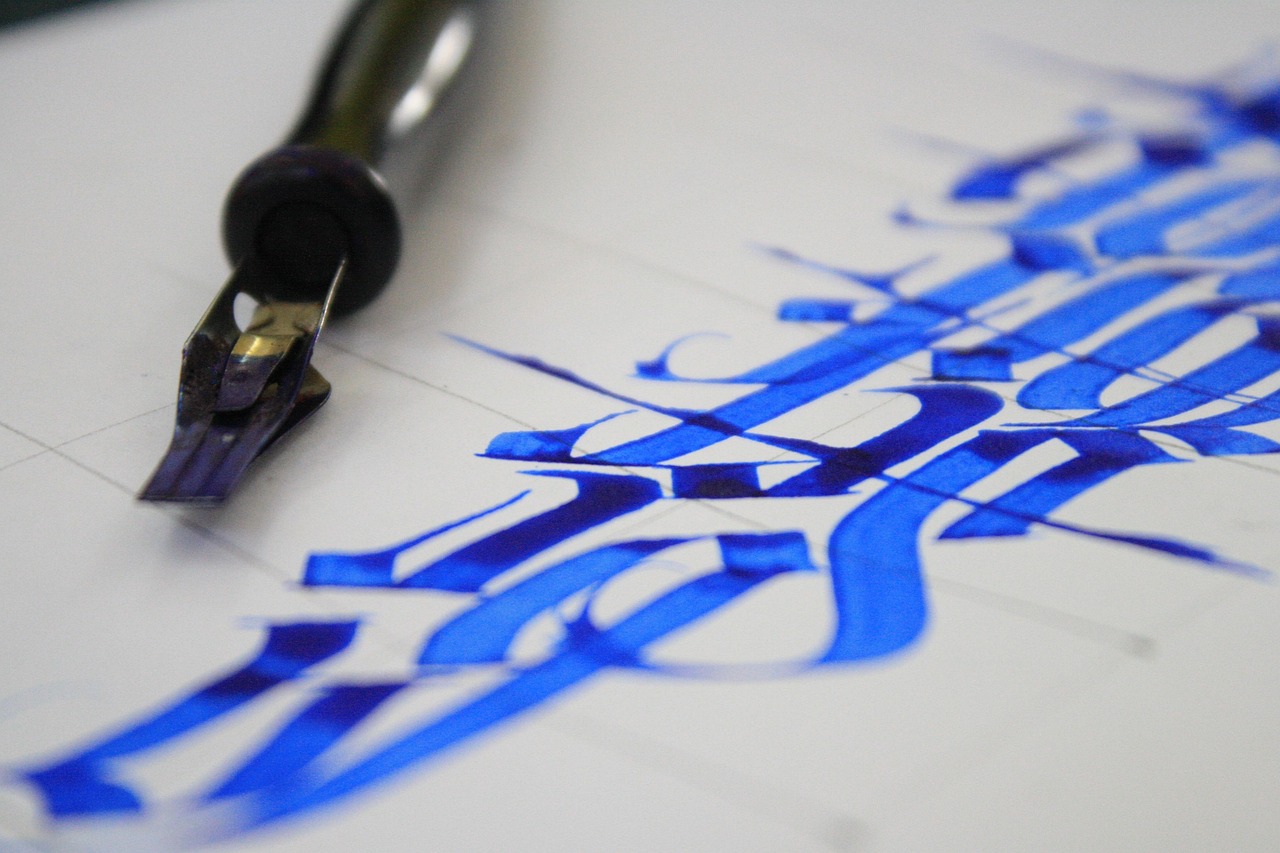
The Tim Hortons logo is a hand-tuned script wordmark set inside the brand’s familiar oval. The letters are connected with smooth, slightly slanted strokes that read as warm and approachable rather than formal or stiff. Although it shares DNA with classic mid-century sign-painting scripts, the wordmark has been customized: the spacing, the swash on the capital letters, and the weight of the connecting strokes were all drawn to suit the brand specifically.
Because this is custom lettering, there is no official downloadable “Tim Hortons font.” You should treat any claim that a single named font matches the logo exactly as an informed observation, not a confirmed spec. The safest framing is this: the wordmark belongs to a family of bold, friendly scripts, and that family is where your search for a look-alike should start.
What typeface does Tim Hortons use in branding?
Beyond the headline wordmark, Tim Hortons uses cleaner supporting type across menu boards, packaging, and digital channels. In those settings brands typically pair an expressive logo script with a neutral, highly legible sans-serif for body copy and pricing. This is a common system: one distinctive voice for the name, and one quiet workhorse for everything that needs to be read quickly.
If you are studying coffee-brand identities, you will notice this split again and again. The emotional, heritage-laden part of the brand lives in the custom wordmark, while the functional information rides on a dependable sans. For more examples of this approach across well-known logos, see our guide to famous brand fonts.
Free fonts that look like the Tim Hortons font
You cannot legally reproduce the exact wordmark, but you can capture its warmth with a free script. The goal is a connected, slightly casual script with enough weight to hold up at large sizes. Below are practical pairings depending on what you are designing.
| Use case | Tim Hortons uses | Free alternative |
|---|---|---|
| Logo-style headline | Custom script wordmark | Pacifico or Yellowtail |
| Friendly display text | Connected oval script | Kaushan Script |
| Body and pricing copy | Clean supporting sans | Open Sans or Inter |
| Menu headers | Bold sans caps | Oswald |
A few notes on these picks:
- Pacifico is a free Google Font with a relaxed, rounded brush feel that echoes the casual warmth of the wordmark.
- Yellowtail is more slanted and connected, useful when you want a tighter, sign-painted look.
- Kaushan Script reads as energetic and hand-drawn, good for a friendly display moment.
- Open Sans and Inter are dependable, neutral sans-serifs for the readable parts of your layout.
None of these will be a pixel-perfect match, and that is fine. The point is to evoke the same friendly, hand-lettered feeling rather than to clone a trademark.
When you set one of these scripts, pay attention to two details that make or break the look. First, give the letters room to breathe; cramped scripts lose their flow and start to look like a printing error rather than confident lettering. Second, resist the urge to scale a script down to caption size, because thin connecting strokes vanish on screens and small print, which is exactly why brands reserve their script wordmark for the headline and switch to a sturdy sans everywhere else. Following those two rules will get you a far more convincing result than chasing a single “perfect” font ever could.
Why does Tim Hortons use this kind of type?
A script wordmark does a lot of quiet emotional work. Connected, hand-drawn letters signal heritage, friendliness, and a personal touch, exactly the qualities a daily coffee-and-donut brand wants to project. A cold, geometric logo would feel corporate; a warm script feels like a neighborhood shop you have visited for years.
There is also a memorability argument. Custom lettering is harder to imitate and easier to protect than a stock font, so it strengthens the brand’s distinctiveness. The oval container reinforces this, giving the script a stable, badge-like frame that survives being shrunk onto a cup or stretched across a storefront. If you are curious how heritage scripts evolved, our overview of vintage fonts traces the sign-painting roots that brands like this draw on.
It helps to remember when and where this style of lettering became popular. Mid-century roadside signs, diners, and family businesses leaned heavily on connected scripts because they read as personal and handmade, qualities that mass-produced metal type could not convey. A coffee-and-donut brand built around everyday routine and community taps directly into that visual memory. Even customers who have never thought about typography pick up the cue subconsciously: the script says “familiar,” “local,” and “trustworthy” before they have read a single letter. That emotional shortcut is precisely why the brand has held onto its script for decades rather than modernizing it into something sleeker and colder.
Can I use the Tim Hortons font for my own project?
No, you should not reproduce the actual Tim Hortons wordmark. The logo is a registered trademark, and copying it, even with a downloaded look-alike, can create legal problems if it implies an affiliation that does not exist. The wordmark is protected as brand identity, separate from any font.
What you can do is use a free script like Pacifico to create your own original design with a similar mood. Just make sure the license covers your use case, whether that is a personal project or commercial work. Before you ship anything, it is worth reading our font licensing guide so you understand the difference between personal and commercial rights. And if you enjoy this kind of brand-font breakdown, our look at the Costa Coffee font and the Lavazza script cover two more coffee identities worth studying.
Frequently Asked Questions
Is the Tim Hortons font available to download?
No. The script wordmark is custom lettering created specifically for the brand, so it is not sold or distributed as a font file. Any download claiming to be the official Tim Hortons font is a look-alike at best, and you should treat that match as an approximation rather than the genuine article.
What font is closest to the Tim Hortons logo?
Pacifico and Yellowtail are the most commonly suggested free look-alikes because they share the connected, brush-script warmth of the wordmark. Neither is exact, but both capture the friendly, hand-drawn feeling well enough for mockups, personal projects, or coffee-themed designs.
Why is the Tim Hortons logo a script?
The script style signals heritage, warmth, and approachability, which fits a beloved everyday coffee brand. Hand-drawn letters feel personal and neighborly rather than corporate, and custom lettering is also more distinctive and easier to protect than a stock typeface would be.
Can I use a free script font commercially?
Often yes, but it depends on the specific license. Many Google Fonts allow commercial use for free, while other foundries restrict it. Always confirm the terms before using a font in paid work, and never reproduce a trademarked wordmark even with a similar font.