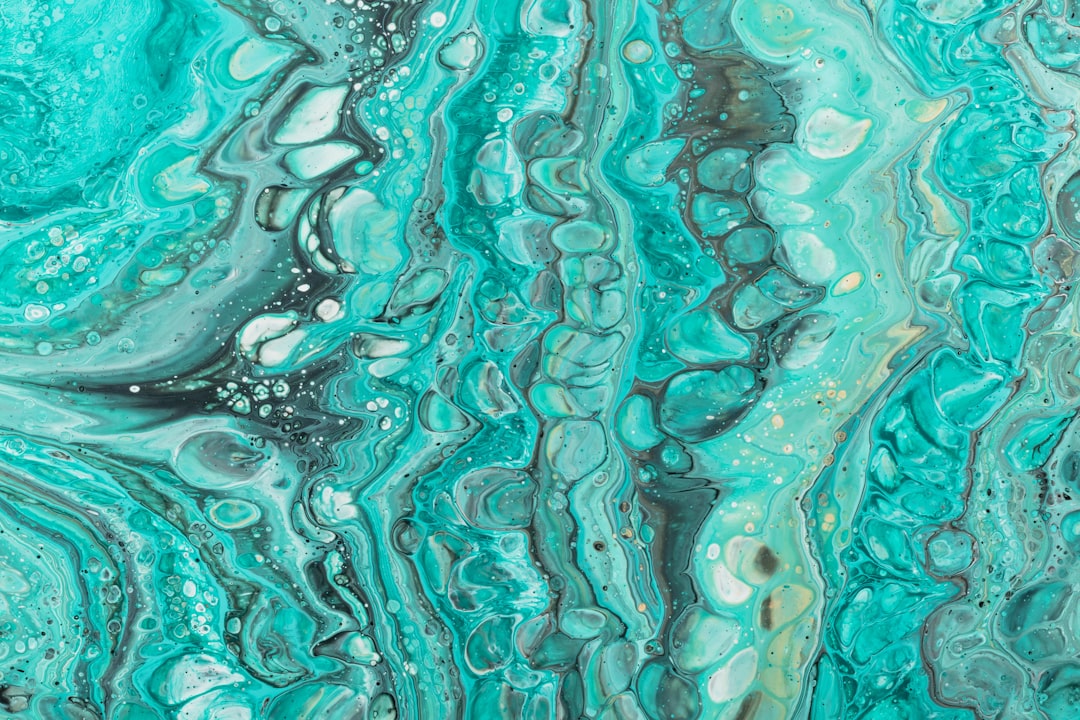
Turquoise Color Meaning and Symbolism
Turquoise is a light, vivid blue-green named after the precious stone, which itself takes its name from the French for “Turkish,” reflecting its trade route into Europe. Brighter and more luminous than teal, it evokes clear tropical water and open sky. Its representative hex code is #40E0D0 . The turquoise color meaning stems from this airy blend of blue and green: it combines the serenity and clarity of blue with the freshness and growth of green, producing a refreshing, optimistic, and healing impression.
What does turquoise symbolize?
Turquoise symbolizes refreshment, healing, protection, and clear communication. The gemstone has long been regarded as a protective talisman and a stone of well-being, so the color inherits associations with health, calm, and good fortune. Turquoise also represents tropical escape, leisure, and openness — qualities tied to its resemblance to sea and lagoon water. It conveys emotional clarity and balance, encouraging honest expression. Compared with deeper blue-greens, turquoise feels younger, lighter, and more playful while remaining soothing. Because the gemstone has been valued across continents for thousands of years, the color also carries an air of timeless treasure and craftsmanship. To understand how blue and green combine to produce these qualities, our primer on color theory explains the mechanics of secondary and tertiary mixes. Turquoise’s brightness pushes it toward joy and renewal, making it feel like the color of clear shallows, summer skies, and new beginnings rather than the deeper introspection of darker blues.
The psychology of turquoise
Psychologically, turquoise is both calming and uplifting, a rare combination. Its blue base lowers stress and slows the mind, while its green and brighter, lighter quality adds energy, freshness, and optimism. People often describe turquoise as mentally clarifying — it can support concentration and open communication without feeling cold. Spas, clinics, and wellness brands use it to suggest cleanliness and recovery. For more on how cool, restorative hues affect mood, see our overview of color psychology. Turquoise tends to leave people feeling refreshed and emotionally balanced.
Turquoise symbolism across cultures
Turquoise carries deep cultural significance in many traditions. Among various Native American peoples, particularly in the Southwest, turquoise is sacred and protective, associated with the sky, water, and life. In ancient Persia and the broader Middle East, turquoise stones adorned domes and jewelry as symbols of protection and heaven. Egyptians prized turquoise for amulets and burial ornaments. In Tibetan culture it represents well-being and is a treasured talisman. Across these traditions the common thread is protection, healing, and connection to the heavens, though specific meanings vary by region.
Positive and negative associations of turquoise
| Positive | Negative |
|---|---|
| Healing and well-being | Can feel cold if overused |
| Refreshment and clarity | May seem unfocused |
| Calm and balance | Sometimes reads as dated |
| Optimism and openness | Overly trendy in excess |
Turquoise in branding and marketing
Turquoise is favored by brands wanting to feel fresh, friendly, and trustworthy at once. It is common in wellness, travel, hospitality, beauty, and technology, where it signals cleanliness, vitality, and approachable innovation. Travel and resort brands use it to evoke tropical water and relaxation, while health and beauty brands use it to suggest hygiene and renewal. Because it blends blue’s credibility with green’s energy, turquoise helps companies appear both reliable and modern, standing out from competitors using plain blue. It is also popular with brands targeting younger audiences, since its brightness reads as upbeat and contemporary without feeling juvenile. Used as an accent, turquoise injects vibrancy into otherwise neutral palettes; used as a dominant color, it sets a clean, breezy, optimistic tone that suits everything from fitness apps to eco-friendly packaging and coastal hospitality.
Colors that go well with turquoise
Turquoise pairs vividly with warm coral #FF7F50 and orange for a tropical, high-energy contrast. It also works with crisp white #FFFFFF for a clean, breezy feel, with sandy beige #EFE0CD for a beachy palette, and with deep navy #14213D for grounding. The near-complementary pairing with coral and warm reds gives the most striking results; learn why in our guide to complementary colors.
Shades and variations of turquoise
Turquoise spans bright to muted blue-greens. Standard turquoise is #40E0D0, while medium turquoise #48D1CC is slightly deeper. Pale turquoise #AFEEEE is soft and airy, dark turquoise #00CED1 is more saturated, and Persian turquoise #3AA6B9 leans blue. The deeper, more muted teal #008080 makes a useful reference point for distinguishing turquoise’s lighter, livelier character, while warm tones such as maroon sit on the opposite, grounding side of the wheel.
Frequently Asked Questions
What does the color turquoise mean?
Turquoise means refreshment, healing, calm, and tropical vitality. As a bright blue-green named after the protective gemstone, it blends blue’s serenity with green’s renewal, producing an uplifting yet soothing color linked to well-being, clarity, and open communication.
What emotions does turquoise evoke?
Turquoise evokes calm, optimism, and refreshment. Its rare balance of soothing blue and energizing green leaves people feeling relaxed yet uplifted, often associated with clear thinking, emotional openness, and a sense of cleanliness and recovery.
What colors go with turquoise?
Turquoise pairs well with coral and warm orange for vivid tropical contrast, white for a clean look, beige for a beachy palette, and navy for grounding. Coral is its standout complementary partner, producing balanced, eye-catching combinations.
Is turquoise warm or cool?
Turquoise is a cool color, sitting between blue and green. Although its brightness and green content give it a lively, almost warm energy, it remains on the cool side of the spectrum. See our guide to warm vs cool colors.
What is the difference between turquoise and teal?
Turquoise (#40E0D0) is lighter, brighter, and more tropical, while teal (#008080) is darker, more muted, and more sophisticated. Turquoise feels playful and refreshing, whereas teal reads as grounded and elegant, though both are blue-green blends.