Warm Color Palette: Hex Codes and Ideas
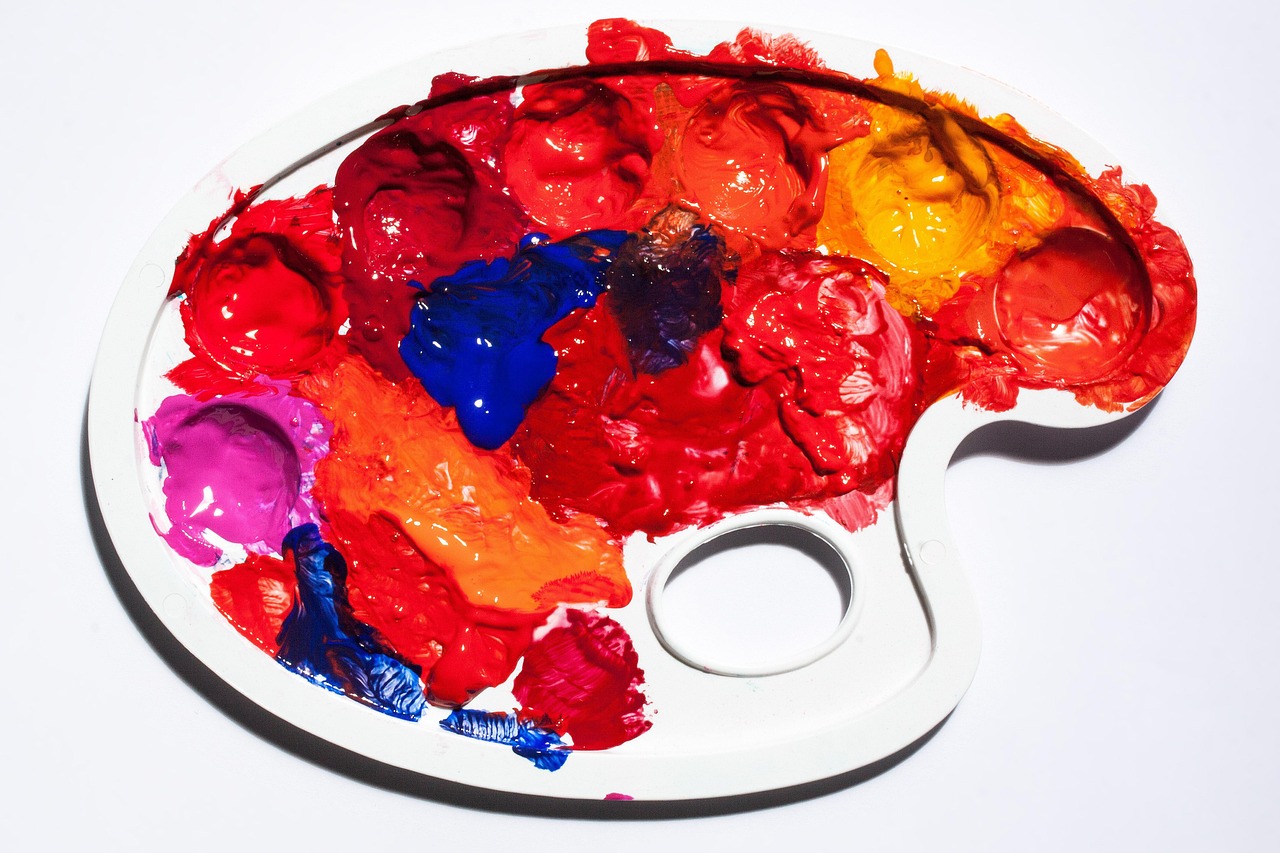
A warm color palette is built from the warm half of the color wheel — reds, oranges, yellows, and the in-between hues like coral, terracotta, and gold. Warm colors feel energetic, cozy, and welcoming, and they appear to advance toward the viewer, which makes them attention-grabbing. The named palettes and hex table below are ready to use, followed by the theory of warm versus cool and how to apply it.
To compare the two temperature families directly, see our warm vs cool colors guide, and for the opposite family, the cool color palette. For the psychology of warmth and energy, see color psychology; the earthy color palette is a muted, grounded cousin of this scheme.
What colors are in a warm palette?
Warm colors are those with a red, orange, or yellow undertone — physically, they sit on the half of the color wheel running from red through orange to yellow. The classic warm primaries and their neighbors include red (#C0392B), orange (#E67E22), yellow and golden gold (#C9A227), plus the warm mixed hues terracotta (#C36F4E), mustard (#D4A017), and coral (#FF7F6B). What unites them is the sensation of heat and light — they evoke fire, sun, and autumn, and they raise the emotional temperature of any design they appear in.
| Color name | Hex | RGB | Role |
|---|---|---|---|
| Red | #C0392B | 192, 57, 43 | Primary / accent |
| Orange | #E67E22 | 230, 126, 34 | Secondary |
| Terracotta | #C36F4E | 195, 111, 78 | Supporting |
| Mustard | #D4A017 | 212, 160, 23 | Accent |
| Coral | #FF7F6B | 255, 127, 107 | Accent |
| Gold | #C9A227 | 201, 162, 39 | Accent / highlight |
5 warm palettes with hex codes
Each scheme below stays within the warm family while varying mood from bold to soft. Copy the hex codes directly.
1. Classic Warm
The signature warm mix — energetic and inviting.
Red #C0392B Orange #E67E22 Mustard #D4A017 Coral #FF7F6B Warm Cream #FDF1E0
2. Sunset
Glowing oranges, corals, and pinks for a golden-hour mood.
Coral #FF7F6B Orange #E67E22 Sunset Pink #E84A5F Amber #FFB347 Wine #7A2E3C
3. Autumn Warm
Deep, earthy warm tones for a cozy, seasonal feel.
Terracotta #C36F4E Mustard #D4A017 Burnt Orange #9C4221 Gold #C9A227 Coffee #4A3326
4. Soft Warm
Gentle, muted warm tones for a calm, approachable look.
Soft Coral #E8A87C Sand #E6C79C Dusty Rose #C08081 Honey #D9A441 Warm Cream #FDF1E0
5. Bold & Hot
High-energy reds, oranges, and golds for maximum impact.
Red #C0392B Vermilion #E84A1B Tangerine #F39C12 Gold #C9A227 Dark Mahogany #3A1F1A
What makes a color warm? Warm vs cool theory
Color temperature is the most fundamental way designers group colors. Warm colors — reds, oranges, yellows, and hues that lean toward them — are associated with fire, sunlight, and heat. Cool colors — blues, greens, and purples — are associated with water, sky, and shade. The split runs roughly down the middle of the color wheel, with red-violet and yellow-green as the transition points.
The practical effects are real and predictable. Warm colors advance, appearing closer and larger, which makes them effective for elements you want noticed first — calls to action, headlines, focal points. They also raise the emotional energy of a design, reading as exciting, friendly, appetizing (which is why so many food brands use red and orange), and cozy. Cool colors recede and calm. Importantly, “warm” and “cool” are also relative: a red can be a warm red (orange-leaning) or a cool red (blue-leaning), and the same is true within every hue. Our warm vs cool colors guide breaks down how to identify undertones and use temperature contrast.
How to use a warm palette in design
Because warm colors are high-energy, the main risk is overwhelming the viewer — a layout that is entirely saturated red and orange can feel aggressive or exhausting. Temper the heat with a warm neutral such as Warm Cream (#FDF1E0) or a deep brown for grounding, and let one warm hue lead while the others support. A 60-30-10 split works well: 60% warm neutral, 30% a primary warm (orange or terracotta), 10% a bright accent (red, coral, or gold).
For balance and contrast, introduce a small amount of a cool color — a touch of teal or navy against a warm scheme creates striking, complementary tension and keeps the palette from feeling one-note. Watch saturation for accessibility: bright yellow and gold have poor contrast against white, so reserve them for large elements or pair them with dark text. For grounded, muted warm options, see our earthy color palette.
Warm palette for branding, web, and interiors
In branding, warm palettes signal energy, friendliness, appetite, and approachability, which is why they dominate food, entertainment, children’s, and sale-driven brands. Red commands attention and urgency; orange feels playful and affordable; gold signals quality. See how to choose brand colors to match warmth to brand personality.
On the web, warm colors make excellent calls to action because they advance and draw the eye — but use them deliberately, since too much warm saturation tires the viewer. Warm cream backgrounds with dark brown text create a cozy, readable interface. For interiors, warm palettes create inviting, sociable spaces: terracotta and mustard walls, coral and gold accents, and warm wood tones make a room feel cozy and alive, which is why warm tones are favored in dining and living areas where you want people to gather.
Frequently Asked Questions
What colors are considered warm?
Warm colors sit on the red-orange-yellow side of the color wheel: red (#C0392B), orange (#E67E22), yellow, and gold (#C9A227), along with mixed hues like terracotta, mustard, and coral. They are associated with fire and sunlight and tend to feel energetic, cozy, and inviting.
What is the difference between warm and cool colors?
Warm colors (reds, oranges, yellows) evoke heat and advance toward the eye, feeling energetic and cozy. Cool colors (blues, greens, purples) evoke water and sky, recede, and feel calm. The two families sit on opposite halves of the color wheel and create strong contrast when paired.
Do warm colors make a room feel smaller?
Yes — because warm colors advance and appear closer, they can make a large room feel cozier and more intimate, but may make a small room feel more enclosed. To keep a small space open, use warm tones as accents against light neutrals rather than on every wall.
What is the best warm color for a call to action?
Red (#C0392B) and orange (#E67E22) are the most effective warm CTA colors because they advance, draw attention, and create urgency. Choose the one that contrasts most with your background and brand palette, and ensure the button text has sufficient contrast for accessibility.