Fine Art vs Graphic Design: Key Differences
At first glance, fine art and graphic design seem closely related — both involve visual creativity, both require technical skill, and both can produce work that hangs on a wall. But the two disciplines differ in purpose, process, and the relationship between creator and audience. Fine art is primarily a vehicle for personal expression, driven by the artist’s vision and open to subjective interpretation. Graphic design is primarily a vehicle for communication, driven by a client’s objectives and measured by how effectively it delivers a message. Understanding the difference between art and graphic design clarifies what each discipline values, how practitioners are trained, and what career paths each opens.
This is not a debate about which is “better.” Both fine art and graphic design demand years of dedicated practice, deep creative thinking, and a mastery of visual fundamentals. They simply point that creativity in different directions — one toward personal exploration, the other toward strategic problem-solving. Many creatives work across both, and the tension between self-expression and client service is one of the most productive forces in the visual arts.
What Is Fine Art?
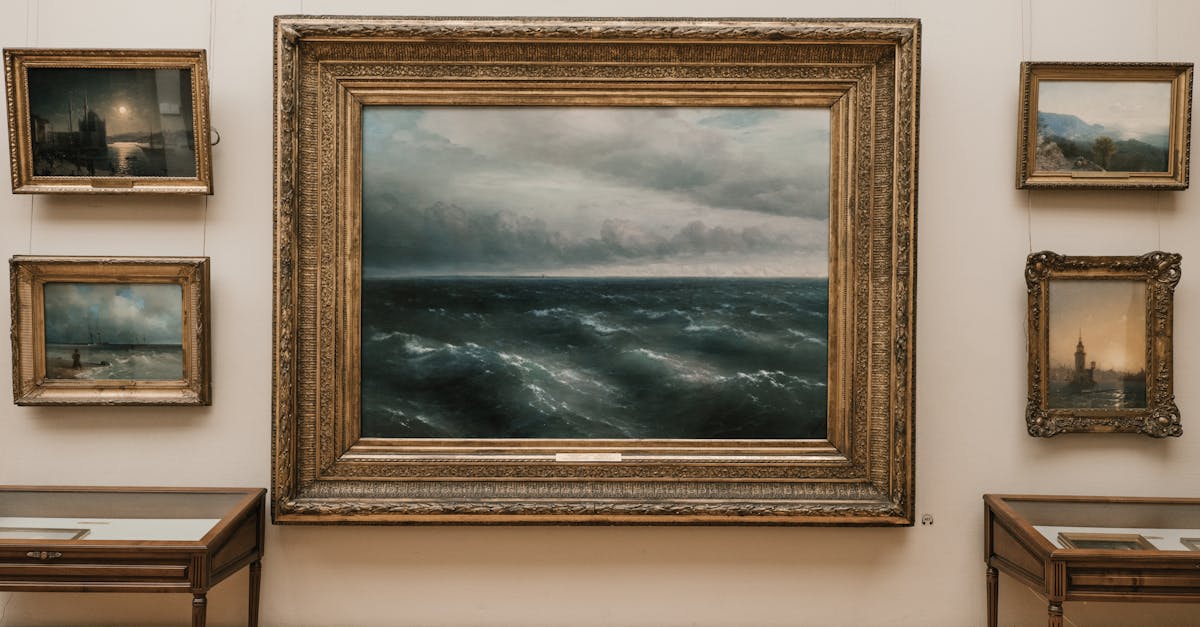
Fine art encompasses creative works produced primarily for aesthetic, intellectual, or emotional purposes rather than for practical or commercial function. The category traditionally includes painting, sculpture, drawing, printmaking, and photography, though contemporary fine art also embraces installation, performance, video, and digital media.
The defining characteristic of fine art is authorial intent. The artist chooses the subject, medium, scale, and meaning. There is no client brief, no brand guidelines, and no requirement that the audience “get” a specific message. A painting may provoke, challenge, comfort, or confuse — and all of those responses can be valid. The work exists on the artist’s terms.
The Fine Art Process
Fine artists typically work through a process of exploration and iteration that is deeply personal. A painter might spend months developing a series around a single theme, experimenting with colour, composition, and material until the work feels resolved. The process values spontaneity, intuition, and risk-taking. Happy accidents are embraced. Failure is productive. The timeline is often dictated by the work itself rather than by external deadlines.
Training in fine art — whether through a university programme, an atelier, or self-directed study — emphasises developing a personal voice. Students learn foundational skills like drawing, colour mixing, and composition, but the ultimate goal is to produce work that is uniquely their own.
How Fine Art Is Evaluated
Fine art is evaluated through subjective, contextual criteria. Critics, curators, and collectors assess work based on originality, conceptual depth, technical mastery, emotional impact, and its relationship to art history and contemporary discourse. There is no single metric for success. A piece that divides opinion may be more valuable — culturally and financially — than one that pleases everyone.
What Is Graphic Design?
Graphic design is the practice of combining text, imagery, and visual elements to communicate a specific message to a specific audience. It is applied art — creative work with a defined purpose, typically serving a client or organisation. Graphic design appears in logos, websites, packaging, advertisements, signage, publications, social media, and virtually every other surface where visual communication occurs.
The Graphic Design Process
Graphic design follows a structured process that typically begins with a design brief — a document outlining the project’s goals, audience, constraints, and deliverables. From there, the designer researches the audience and competitive landscape, develops concepts, refines the strongest direction through feedback and iteration, and delivers finished files ready for production.
The process is collaborative by nature. Designers work with clients, copywriters, marketers, printers, and developers. Every decision — from typeface selection to colour choice — must be justified in terms of the project’s communication objectives. Graphic design principles like contrast, alignment, repetition, and proximity are not just aesthetic preferences; they are tools for ensuring the message is clear and the audience’s attention is directed effectively.
How Graphic Design Is Evaluated
Graphic design is evaluated by how well it achieves its intended purpose. Did the logo make the brand recognisable? Did the poster increase event attendance? Did the website convert visitors into customers? Aesthetic quality matters, but it is in service of function. A design that is visually stunning but fails to communicate the intended message has not succeeded.
Key Differences Between Fine Art and Graphic Design
Purpose: Expression vs Communication
This is the fundamental divide. Fine art exists to express the artist’s ideas, emotions, or perspective. Graphic design exists to communicate a client’s message to a target audience. An artist asks, “What do I want to say?” A designer asks, “What does the audience need to understand?”
This difference shapes every downstream decision — from how projects begin (personal inspiration vs client brief) to how success is measured (critical reception vs business results).
Constraints
Fine artists work with minimal external constraints. They choose their own medium, dimensions, timeline, and subject matter. Graphic designers work within a framework of constraints defined by the brief, the brand, the medium, the budget, and the audience. A poster must be a certain size. A website must load quickly. A logo must work at small scales. These constraints are not limitations — they are the parameters within which creative problem-solving occurs.
Audience Relationship
Fine art invites interpretation. The viewer brings their own meaning to the work, and ambiguity is often a strength. Graphic design demands clarity. If the audience misinterprets a design, the design has failed. The relationship with the audience is direct and purposeful — the designer controls the message, the visual hierarchy, and the call to action.
Originality vs Consistency
Fine art prizes originality above almost everything else. An artist who produces derivative work is criticised for lacking a unique voice. Graphic design prizes consistency alongside creativity. A designer working within brand guidelines must produce work that is fresh and engaging while remaining faithful to an established visual system. This requires a different kind of creativity — innovation within structure.
Reproduction and Distribution
Fine art often derives value from scarcity. An original painting is unique; limited edition prints are numbered. Graphic design is created for mass reproduction. A logo appears on thousands of business cards. A package design sits on millions of shelves. The work’s value comes not from its uniqueness but from its effectiveness at scale.
Where Fine Art and Graphic Design Overlap
Despite their differences, the two disciplines share deep roots and continue to influence each other.
Shared Foundations
Both fields are built on the same visual fundamentals: composition, colour theory, form, line, texture, and space. A fine art education develops skills that translate directly to graphic design, and vice versa. Many graphic designers begin their training in fine art programmes before discovering that applied, communication-focused work suits their temperament better.
Historical Cross-Pollination
The boundary between art and design has always been porous. The Art Nouveau movement produced work that was simultaneously fine art and commercial design. The Bauhaus school explicitly sought to unite art, craft, and industry. Pop Art, led by Andy Warhol, appropriated commercial design aesthetics for fine art purposes. Today, street artists like Shepard Fairey and KAWS move fluidly between gallery walls and brand collaborations.
Contemporary Hybrid Practice
Many contemporary creatives refuse to choose between the two. Illustrators sell prints and take commercial commissions. Typographers create letterforms that function as both art and communication tools. Digital artists produce work for galleries and for brand campaigns. The rise of social media has further blurred the line, allowing creatives to build audiences for personal work while attracting commercial clients through the same platform.
Career Considerations
Fine Art Careers
Fine art career paths include exhibiting artist, art educator, museum or gallery curator, art therapist, and critic. The financial reality of a fine art career can be challenging — gallery representation is competitive, and many artists supplement their practice with teaching, commissions, or commercial work. Success often takes years to build and depends heavily on networking, exhibition opportunities, and critical attention.
Graphic Design Careers
Graphic design offers a wider range of commercially viable career paths: agency designer, in-house designer, freelance designer, art director, creative director, brand strategist, and more. The demand for design skills across industries — technology, healthcare, finance, retail, entertainment — provides relative job security. Understanding how to become a graphic designer and building a strong portfolio are the most important steps for entering the field.
Moving Between the Two
Transitions between fine art and graphic design are common. A fine artist who needs more financial stability may move into design, bringing a unique aesthetic sensibility to commercial work. A graphic designer who craves more creative freedom may develop a personal art practice alongside client work. Neither move requires starting from scratch — the foundational skills transfer, and the perspective gained from one discipline enriches the other.
Education and Training Paths
Fine art programmes — whether Bachelor of Fine Arts degrees, Master of Fine Arts programmes, or independent ateliers — emphasise studio practice, critique, art history, and the development of a personal body of work. Students spend long hours in the studio, experiment with materials, and learn to articulate the conceptual underpinnings of their practice. The goal is to produce artists with a distinctive voice and the critical framework to situate their work within a broader cultural conversation.
Graphic design programmes emphasise applied skills: typography, layout, branding, digital tools, production processes, and client communication. Coursework often mirrors professional practice, with students completing briefs, presenting to mock clients, and building portfolios that demonstrate range and competence. Many programmes also cover business fundamentals — pricing, contracts, project management — that prepare graduates for freelance or agency work.
Some institutions offer combined programmes or allow students to take electives across both disciplines, which is an excellent option for creatives who are not yet sure which direction they want to pursue. Regardless of the formal path, the most well-rounded creatives continue learning informally throughout their careers — fine artists studying design tools, designers taking life drawing classes, both attending exhibitions and staying current with the broader visual culture.
The Digital Shift
Digital technology has expanded the possibilities for both fields. Fine artists use digital tools to create work that would be impossible with traditional media — generative art, interactive installations, and augmented reality experiences. Graphic designers have moved from print-only workflows to screen-based, interactive, and motion-heavy practices. The digital shift has also created new hybrid categories — digital illustration, motion graphics, and experiential design — that draw from both fine art and graphic design traditions without fitting neatly into either.
Frequently Asked Questions
Is graphic design considered art?
Graphic design is a form of applied art — it uses artistic skills and principles in service of communication objectives. Whether it qualifies as “art” in the fine art sense depends on your definition. Most designers consider their work a craft that serves a function, while acknowledging that the best design work achieves an aesthetic quality that transcends its commercial purpose.
Can I study both fine art and graphic design?
Yes. Many universities offer programmes that allow students to take courses in both, and some offer combined degrees. Even if you specialise in one area, studying the other will broaden your skills and perspective. Fine art training sharpens observational skills, conceptual thinking, and material experimentation. Graphic design training develops communication strategy, technical production skills, and the ability to work within constraints.
Do graphic designers need drawing skills?
Drawing ability is helpful but not strictly required. Graphic design relies more on layout, typography, and composition than on freehand drawing. That said, the ability to sketch ideas quickly — even rough concept thumbnails — speeds up the design process and improves communication with clients and colleagues. Many designers develop their drawing skills over time as a complement to their digital toolkit.
Which pays more, fine art or graphic design?
On average, graphic design provides more stable and predictable income. Mid-level graphic designers in the United States typically earn between $50,000 and $80,000 annually, with senior and director-level roles earning more. Fine art income is highly variable — a small number of artists earn substantial sums through gallery sales and commissions, but the majority supplement their art practice with other work. The financial calculus should be one factor among many in your decision, not the sole determining factor.