Typeface vs Font: What’s the Difference?
The terms typeface and font are used interchangeably by most people, but they actually refer to two different things. Understanding the difference between a font and a typeface is one of those details that separates casual users from people who truly understand typography. Whether you are a designer defending your word choices in a client meeting or simply someone who wants to speak about type with precision, this guide breaks down everything you need to know about typeface vs font.
What Is a Typeface?
A typeface is the overall design of a set of characters. It is the creative work — the visual concept that defines how letters, numbers, punctuation marks, and other glyphs look as a cohesive family. When you say “Helvetica,” “Garamond,” or “Futura,” you are naming typefaces.
Think of a typeface as the artistic blueprint. It encompasses the shared design philosophy, the proportions, the stroke contrasts, the terminal shapes, and every other visual decision that makes one family of letters look different from another. A typeface is defined by its anatomical features — its x-height, ascender length, serif style (or lack thereof), and overall personality.
A single typeface often includes multiple variations: bold, italic, light, condensed, and more. All of those variations belong to the same typeface because they share the same underlying design DNA. Garamond, for example, is a typeface. Whether you are looking at Garamond Regular, Garamond Bold, or Garamond Italic, they all belong to the Garamond typeface.
Typeface Definition in Simple Terms
A typeface is the design. It is what you see. It is the creative work that a type designer produces — the visual identity of an entire family of characters. If typefaces were music, the typeface would be the song itself: the melody, harmony, and arrangement.
What Is a Font?
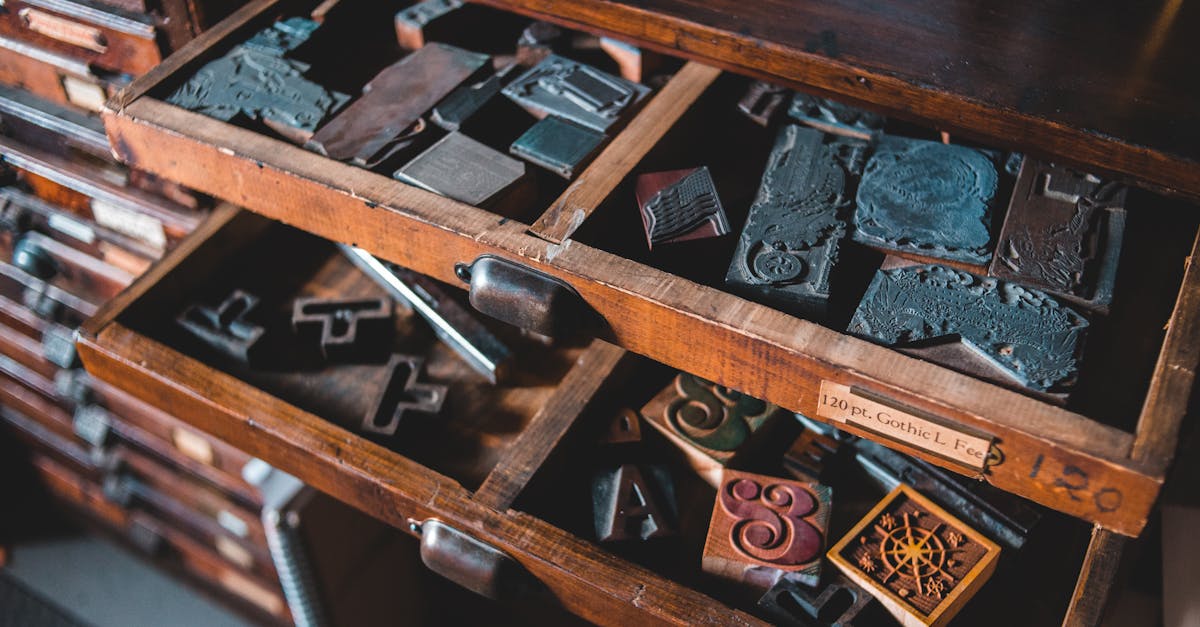
A font is a specific implementation of a typeface. Historically, a font referred to a complete set of characters in one particular size and style of a typeface. In the days of metal typesetting, a font was literally a physical collection of metal blocks — the actual pieces of type a printer would use to lay out text.
In modern digital terms, a font is the file that lives on your computer. It is the software that allows a typeface to be rendered on screen or in print. When you install “HelveticaNeueLT-Bold.otf” on your machine, that file is a font. The broader design family it belongs to — Helvetica Neue — is the typeface.
To continue the music analogy: if the typeface is the song, the font is a specific recording of that song. The MP3 file on your phone, the vinyl record on your shelf, and the CD in your car are all different fonts of the same song.
Font Definition in Simple Terms
A font is the delivery mechanism. It is how you access and use a typeface. It is a specific weight, style, and (historically) size of a typeface packaged as a usable file or physical object.
The Historical Distinction
The distinction between typeface and font was crystal clear during the era of metal typesetting, which dominated printing from the mid-1400s through the late 1900s. Understanding this history makes the modern distinction much easier to grasp.
The Metal Type Era
In a traditional print shop, a typeface was the design created by a type designer — the artistic drawings that defined how each letter should look. A font was a physical case of metal type blocks, all in one specific size and style. If a printer wanted to set text in Caslon at 12-point regular, they reached for one font. If they needed Caslon at 14-point italic, that was a completely different font — a different physical drawer of metal pieces.
This meant that a single typeface like Caslon might require dozens of fonts to cover all the sizes and styles a printer needed. Each font was heavy, expensive, and took up physical space. Printers had to carefully manage their font inventory, and the cost of fonts was a real business consideration.
The Digital Revolution
When digital typesetting arrived, the physical constraints disappeared. A single font file could render text at any size, making the size component of the old definition irrelevant. Suddenly, “Helvetica Bold” was one font file that worked at 8 points, 72 points, or any size in between. This blurred the line between typeface and font considerably.
As desktop publishing brought typography to everyday computer users in the 1980s and 1990s, the word “font” became the default term for everything. Operating systems had “font menus.” Software featured “font selectors.” People installed “fonts.” The more technical term “typeface” faded from common use, surviving mainly among typographers, designers, and typography enthusiasts.
Key Differences Between Typeface and Font
Even in the digital age, the distinction holds up when you look closely. Here is a clear breakdown of how typeface and font differ across several dimensions.
Design vs. Implementation
The most fundamental difference is that a typeface is a design concept and a font is a tangible implementation. The typeface is the creative work; the font is the product you use. A type designer creates a typeface. A foundry produces and distributes fonts.
Family vs. Individual
A typeface is the whole family. A font is one specific member of that family. Futura is a typeface. Futura Medium Italic is a font. Helvetica is a typeface. Helvetica Neue 75 Bold is a font. This maps neatly to everyday language: you might say “I love the Futura typeface” and “I set the headline in Futura Bold” — the first refers to the design family, the second to a specific variation.
Abstract vs. Concrete
A typeface exists as an idea. You can describe its characteristics — the geometric circles, the uniform stroke width, the lack of serifs — without pointing to any specific file or physical object. A font is concrete: it is the .otf or .ttf file on your hard drive, the CSS declaration in your stylesheet, or the metal blocks in a historical print shop.
The Analogy That Works
The most commonly used analogy compares the typeface-font relationship to the song-recording relationship. A song (typeface) exists as a creative work regardless of how it is delivered. A recording (font) is a specific, usable version of that work. You can have multiple recordings of the same song — a studio version, a live version, a remastered version — just as you can have multiple fonts from the same typeface.
Another popular analogy: a typeface is like a recipe, and a font is like the actual dish served on a plate. The recipe is the design; the dish is what you actually consume.
Does the Distinction Still Matter?
This is where opinions diverge. In everyday conversation — even among professional designers — “font” has become the catch-all term. Nobody blinks when you say “I love that font” while pointing at a typeface. Language evolves, and the widespread use of “font” to mean “typeface” is well-established.
When Precision Matters
There are contexts where using the terms correctly demonstrates professionalism and avoids confusion:
Type design and development. If you are designing typefaces or working at a type foundry, the distinction is essential. A type designer creates a typeface. The fonts are the final products shipped to customers. Confusing the terms in this context is like a winemaker confusing “grape variety” with “bottle of wine.”
Licensing conversations. Font licenses are tied to specific font files, not typefaces as a whole. Understanding this distinction can affect purchasing decisions. You might license three fonts from a typeface family rather than the entire family, and the terminology matters for clarity.
Technical discussions. When discussing web typography implementation, “font” has a specific technical meaning. CSS font properties, font weights, and font file formats all use “font” in the technical sense. Mixing up terms can create confusion in development conversations.
When It Does Not Matter
In casual conversation, in most design discussions, and in everyday writing, using “font” to mean “typeface” is perfectly acceptable. Language is about communication, and if your audience understands what you mean, the communication is successful. Even many professional designers use “font” colloquially and reserve “typeface” for situations where precision is needed.
Common Examples to Clarify the Difference
Here are some concrete examples that illustrate the typeface-font distinction in practice:
Typeface: Arial
Fonts within that typeface: Arial Regular, Arial Bold, Arial Italic, Arial Bold Italic, Arial Narrow, Arial Black
Typeface: Times New Roman
Fonts within that typeface: Times New Roman Regular, Times New Roman Bold, Times New Roman Italic, Times New Roman Bold Italic
Typeface: Roboto
Fonts within that typeface: Roboto Thin, Roboto Light, Roboto Regular, Roboto Medium, Roboto Bold, Roboto Black (and all their italic counterparts)
In each case, the typeface is the overarching design, and the fonts are the individual weight-style combinations you can actually select and use.
Frequently Asked Questions
Is it wrong to say “font” when you mean “typeface”?
Not in everyday conversation. Language evolves, and “font” has become the dominant term in general use. However, if you are working in type design, licensing, or any context where precision matters, using the correct term demonstrates expertise and avoids potential confusion.
How many fonts can a single typeface have?
There is no fixed limit. A minimal typeface might include just one or two fonts (a regular and a bold, for example). Large typeface families can include dozens of fonts spanning multiple weights, widths, and styles. Some superfamilies, like Roboto or Noto, include hundreds of fonts to cover many languages and use cases.
Are Google Fonts typefaces or fonts?
Technically, Google Fonts is a library of typefaces, each of which is available as one or more font files. When you browse the Google Fonts website, you are browsing typefaces. When you download or link to a specific weight and style, you are using a font. The service uses “fonts” in its name because that is the term most people understand.
Did the distinction exist before digital typography?
Yes — in fact, the distinction was much clearer before digital typography. In the metal type era, a typeface was the design and a font was a physical case of type in one size and style. The digital era blurred the lines because font files can render at any size, removing one of the key differentiators that made the distinction obvious in the physical world.
Final Thoughts
The typeface vs font distinction is simple once you grasp the core idea: a typeface is the design, and a font is a specific instance of that design. Historically the line was impossible to miss — one was a concept on paper and the other was a heavy drawer of metal blocks. Today the boundary is softer, and using “font” as a general term is widely accepted.
That said, knowing the difference is part of developing genuine typographic literacy. It sharpens how you think about type, makes you more precise in professional conversations, and connects you to centuries of printing history. Whether you choose to enforce the distinction in your daily vocabulary is a personal call — but understanding it is non-negotiable if you want to take typography seriously.