Graphic Design vs Illustration: What’s the Difference?
Graphic design and illustration are two creative disciplines that often appear side by side yet serve fundamentally different purposes. Graphic design is the practice of visual communication — arranging text, images, and space to solve a specific problem for a defined audience. Illustration is the art of creating images that tell stories, explain concepts, or evoke emotions through drawing, painting, or digital imagery. While a magazine spread might feature both a designer’s layout and an illustrator’s artwork, the skills, processes, and intentions behind each contribution are distinct.
The confusion between graphic design vs illustration is understandable. Both fields are visual. Both require creativity and technical skill. Both exist within the broader world of commercial art. But understanding where they diverge — and where they genuinely overlap — matters for anyone choosing a career path, hiring creative talent, or simply trying to describe what they do for a living.
This article explores each discipline in depth, highlights their key differences, examines where they intersect, and offers practical guidance on the career paths each one opens.
What Is Graphic Design?
Graphic design is the discipline of organizing visual and textual elements to communicate a message effectively. It is rooted in problem-solving. A graphic designer receives a brief — build a brand identity, design a website interface, create a packaging system, lay out a publication — and applies design principles like hierarchy, contrast, alignment, and repetition to produce a solution that serves both the client and the audience.
The scope of graphic design is broad. It encompasses many specializations including brand identity, publication design, packaging, environmental graphics, UI design, motion graphics, and more. What unites these specializations is the systematic approach: graphic designers work with grids, type systems, color palettes, and compositional rules to create visual order from complexity.
The Designer’s Toolkit
Graphic designers typically work with software like Adobe InDesign, Illustrator, Photoshop, Figma, and Sketch. Their deliverables are systems and layouts — a logo and its usage guidelines, a multi-page brochure with consistent formatting, a website wireframe that organizes information logically, a social media template that maintains brand consistency across dozens of posts.
Typography is central to graphic design in a way that it rarely is to illustration. A designer might spend hours kerning a headline, selecting typeface pairings, or establishing a typographic scale. This attention to letterforms and text hierarchy is one of the clearest markers that separate design from illustration.
The Design Process
The graphic design process typically follows a structured path: receive the brief, research the audience and competitors, develop concepts, iterate on layouts, refine details, prepare production files. At every stage, the work is evaluated against the brief. Does this layout guide the reader’s eye to the most important information? Does this packaging stand out on a shelf while clearly communicating what the product is? Design is measured by how well it functions, not just how good it looks.
What Is Illustration?
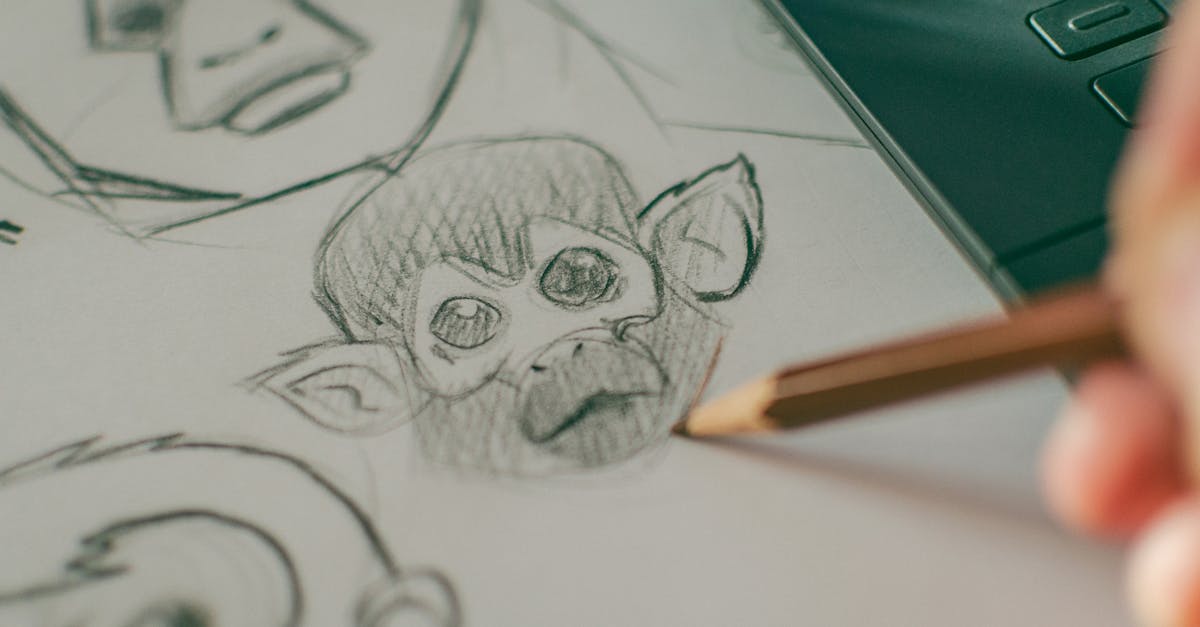
Illustration is the creation of images that explain, narrate, or interpret ideas visually. An illustrator draws, paints, or digitally renders imagery that communicates through depiction rather than through the arrangement of elements. Where a designer organizes existing components, an illustrator generates new visual content from imagination, observation, or reference.
Illustration has a rich history that predates graphic design by centuries. From illuminated manuscripts to botanical engravings, from political cartoons to children’s picture books, illustration has always served the purpose of making ideas visible. Today, it spans editorial illustration for newspapers and magazines, book illustration, concept art for games and film, scientific and medical illustration, fashion illustration, and character design.
The Illustrator’s Toolkit
Illustrators work with a wide range of media. Traditional illustrators use pencil, ink, watercolor, gouache, acrylics, or oils. Digital illustrators use tools like Procreate, Adobe Photoshop, Clip Studio Paint, or Corel Painter, often with drawing tablets or iPads that simulate the experience of working on paper. Some illustrators blend traditional and digital techniques, creating initial drawings by hand and refining them digitally.
The defining tool of an illustrator is drawing skill. While not every illustration style requires photorealistic rendering — many successful illustrators work in highly stylized, abstract, or minimalist modes — the ability to create imagery from scratch is the foundational skill of the discipline.
The Illustration Process
An illustration project typically begins with a concept or brief, followed by research and reference gathering, thumbnail sketches to explore compositions, a refined sketch for approval, and then the final rendered artwork. The process is more linear than iterative compared to design — an illustration is usually created once and delivered as a finished image, rather than being a system that adapts to different contexts.
Key Differences Between Graphic Design and Illustration
Purpose and Intent
The most fundamental difference between illustration vs graphic design is their primary purpose. Graphic design exists to communicate, organize, and persuade. It serves a functional goal — making information accessible, making a brand recognizable, making an interface usable. Illustration exists to depict, narrate, and evoke. It creates imagery that tells a story, explains a concept, or generates an emotional response.
A useful way to think about it: graphic design answers the question “How should this information be presented?” while illustration answers the question “What should this look like as an image?”
Relationship to Text
Graphic design has an intimate relationship with typography. Text is not just an element within a design — it is often the primary element. A designer might create an entire composition using nothing but type. Illustration, by contrast, typically exists alongside text or independent of it. An illustrator creates images; someone else (often a designer) decides how those images relate to the surrounding text and layout.
Systems vs. Singular Works
Graphic design is fundamentally about systems. A brand identity is a system of logos, colors, typefaces, and rules. A publication layout is a system of grids, styles, and templates. A design system for a digital product is literally named as such. Illustration is more typically about individual works — a cover painting, an editorial spot illustration, a character sheet. While illustrators certainly develop consistent personal styles, their output is usually discrete pieces rather than interconnected systems.
Evaluation Criteria
Graphic design is evaluated by how effectively it achieves its communication goals. Does the website convert visitors? Does the packaging communicate the product’s positioning? Does the wayfinding system help people navigate the space? Illustration is evaluated more by its aesthetic quality, emotional impact, and narrative clarity. Does the editorial illustration capture the essence of the article? Does the book cover intrigue potential readers? Does the concept art convincingly depict the imagined world?
Process and Collaboration
Graphic designers typically work within constraints defined by content, brand guidelines, technical specifications, and user needs. Their creativity operates within a framework. Illustrators generally have more artistic freedom within their briefs — an art director might specify the subject and mood, but the illustrator’s personal style and visual interpretation are a major part of what they are hired for.
Where Graphic Design and Illustration Overlap
Despite their differences, these disciplines intersect frequently, and many professionals work in the space between them.
Illustrated Branding
Some of the most memorable brand identities incorporate illustration as a core element. Hand-drawn logos, custom illustrated patterns, branded character mascots, and illustrated icon systems all require someone who can both draw and think systematically about how those drawings function within a larger design framework. This overlap has created a growing demand for hybrid professionals who can handle both disciplines.
Editorial Design
Magazine and newspaper design has always been a natural meeting point. The art director (a design role) commissions and art-directs illustrations that the illustrator creates. The designer then integrates those illustrations into the page layout. In some cases, one person fills both roles — creating the illustrations and designing the spreads that contain them.
Infographics and Data Visualization
Infographics require both design sensibility (hierarchy, layout, typography, color coding) and illustration skill (creating icons, diagrams, and explanatory imagery). This hybrid form sits squarely at the intersection of both disciplines and is one of the areas where the graphic design vs illustration difference becomes genuinely blurry.
Digital and Interactive Media
In app and game design, illustrators create assets — icons, characters, backgrounds, UI elements — that designers then organize into functional interfaces. The rise of illustrated web design, where custom illustrations replace stock photography, has further blended the two disciplines. Some studios hire “design illustrators” specifically for this combined skillset.
Career Paths: Graphic Designer vs Illustrator
The Graphic Design Career Track
A graphic design career typically follows a path through studios, agencies, or in-house design teams. Entry-level positions include junior designer and production designer. With experience, designers advance to mid-level and senior designer roles, then to art director, design director, or creative director positions. Specializations within the field — web design, brand identity, packaging, UX/UI — each have their own career trajectories and salary ranges.
Graphic designers are hired by virtually every type of organization. Companies of all sizes need designers, and the discipline offers both agency and in-house career options. A strong design portfolio showcasing systematic thinking and diverse project types is essential for career progression.
The Illustration Career Track
Illustration careers tend to be more freelance-oriented. While some illustrators find staff positions at publishing houses, game studios, or animation companies, many work independently, building a client base through portfolio visibility, social media presence, and relationships with art directors. Specializations include editorial illustration, children’s book illustration, concept art, medical and scientific illustration, fashion illustration, and product illustration.
The freelance nature of illustration work means that business skills — self-promotion, client management, licensing and rights negotiation, financial planning — are just as important as artistic ability. Illustrators often develop a recognizable personal style that becomes their brand, attracting clients who specifically want that aesthetic.
The Hybrid Path
An increasing number of creatives refuse to choose and instead build careers that span both disciplines. A designer who can illustrate, or an illustrator who understands layout and systems thinking, is exceptionally valuable. This hybrid profile is particularly strong in branding studios, children’s publishing, editorial design, and the growing market for illustrated digital products. The key is being genuinely skilled in both areas rather than mediocre at each.
Frequently Asked Questions
Can a graphic designer also be an illustrator?
Yes, and many are. The skills are complementary rather than mutually exclusive. A graphic designer who can create custom illustrations has a broader toolkit and can offer more to clients. However, excelling at both requires dedicated practice in each discipline. Design skills (layout, typography, systems thinking) do not automatically transfer to illustration skills (drawing, rendering, visual storytelling), and vice versa. The most successful hybrid practitioners have intentionally developed both skillsets.
Do I need a degree in illustration or graphic design to work in either field?
A degree can provide structured training, mentorship, and networking opportunities, but neither field strictly requires one. Both graphic design and illustration are portfolio-driven professions — what you can demonstrably do matters more than your credentials. Self-taught designers and illustrators who build strong portfolios and develop professional skills can and do build successful careers. That said, formal education in either field provides a foundation that can take years to replicate independently.
Which pays more, graphic design or illustration?
Graphic design generally offers more stable and often higher compensation, particularly in full-time positions. The corporate demand for graphic designers — in UI/UX, branding, marketing, and product design — creates a large, well-paying job market. Illustration income is more variable. Top editorial or concept art illustrators earn excellent livings, and licensing deals can create passive income, but the median freelance illustrator earns less than the median salaried graphic designer. The financial picture depends heavily on specialization, market, and business acumen.
Should I hire a graphic designer or an illustrator for my project?
It depends on what you need. If you need a logo, brand identity, website layout, brochure, or any project where organizing information and creating a visual system is the core task, hire a graphic designer. If you need custom artwork — a book cover painting, editorial imagery, character designs, a mural — hire an illustrator. If your project involves both (such as an illustrated brand identity or an infographic), look for either a hybrid practitioner or plan to hire both professionals and ensure someone is coordinating how their work fits together.
Understanding the distinction between graphic design vs illustration is not about drawing rigid boundaries but about recognizing the different strengths, processes, and value each discipline brings. The best creative work often happens when skilled designers and illustrators collaborate — or when a versatile individual brings both sensibilities to bear on a single project.