Minimalist Logo Design: Principles and Examples
Minimalist logo design is the practice of stripping a brand mark down to its essential elements and nothing more. Done well, it produces logos that are instantly recognizable, work at any size, and age gracefully. Done badly, it produces something forgettable and generic. The hard truth is that simplicity is difficult, removing the right things is far harder than adding more.
This guide covers why minimalism works, the principles that make a reductive mark succeed, the styles you will recognize, the traps to avoid, and how to judge whether your own brand is a good fit for the approach.
Why Minimalism Works for Logos
A logo has a brutal job. It must be recognized in a fraction of a second, reproduced everywhere from a tiny app icon to a huge sign, and remain effective for years. Minimalism serves all three demands directly.
- Recognition. The human eye processes simple shapes faster. A clean mark registers and sticks in memory more readily than a busy one.
- Versatility. Fewer details mean the logo survives being shrunk to a favicon or embroidered on a cap without turning to mush.
- Longevity. Trendy ornamentation dates quickly. Simple, geometric forms tend to look current far longer, which is why so many brands simplify their marks over time.
This is also why minimalism connects to a disciplined build. The reduction does not happen by accident; it is the result of the deliberate refinement stage in the logo design process, where every element has to justify its place or get cut.
Core Principles of Minimalist Logo Design
Simplicity with Purpose
Minimalism is not emptiness. Every remaining element should carry meaning or function. The goal is to reach the point where removing one more thing would break the idea. If you can take something away and the logo still communicates fully, take it away.
Strong, Confident Shapes
With detail removed, the underlying geometry has to carry the weight. Circles, squares, triangles, and clean negative space do the heavy lifting in minimalist marks. Weak or fussy shapes have nowhere to hide once the decoration is gone.
Typography Does More Work
In a minimal logo, especially a wordmark, the typeface is the design. That means choosing type carefully and almost always customizing it, adjusting spacing, modifying a letterform, refining proportions. Default fonts straight off the shelf rarely feel intentional enough.
Restraint in Color
Minimalist logos typically lean on one or two colors, and most are designed to work perfectly in plain black and white first. Color is added afterward, as an enhancement, never as the thing holding the design together. To choose those one or two colors well, our framework on how to choose brand colors is a useful companion.
Negative Space
The space around and inside a mark is an active design tool. Clever use of negative space, a shape formed by the gap rather than the ink, is a hallmark of sophisticated minimal logos and rewards a second look without adding clutter.
Styles You Will Recognize
“Minimalist” is a broad umbrella. A few recognizable approaches sit under it:
- Clean wordmarks. A company name set in carefully chosen, customized type with no symbol at all. Many of the world’s most valuable tech and fashion brands use exactly this.
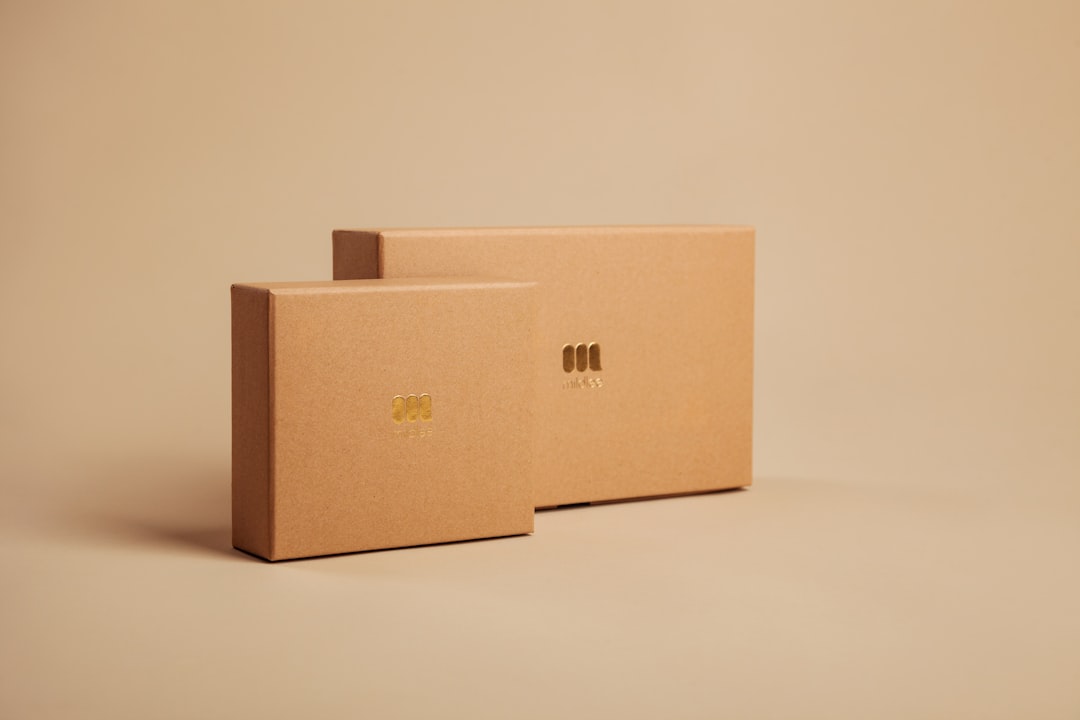
- Geometric symbols. Simple abstract marks built from basic shapes, often a single rounded form or a monogram letter.
- Single-letter monograms. One initial, treated as the entire identity, which works especially well as an app icon.
- Line-based marks. Logos drawn with a consistent, even line weight and no fills, popular for modern, technical brands.
Notice that these all share the same root discipline even though they look different, which is why minimalism pairs naturally with thoughtful logo redesign work when an older, cluttered mark needs to be modernized without losing its core idea.
Common Minimalist Logo Mistakes
The style’s popularity has produced a lot of weak imitations. Watch for these:
- Generic, not minimal. Stripping away detail until nothing distinctive remains is not minimalism, it is blandness. A minimal mark still needs a memorable idea.
- Trend-chasing sameness. The rush toward simple sans-serif wordmarks led to many brands looking nearly identical. Simple should still be ownable.
- Over-reliance on a trendy gimmick. A gradient or a single clever cut can carry a logo today and date it tomorrow. Make sure the mark survives in flat black.
- Weak spacing. In minimal design there is no clutter to disguise sloppy kerning or uneven gaps. Every measurement shows.
Is Minimalism Right for Your Brand?
Minimalism is powerful, but it is not universal. A clean, geometric mark suits brands that want to feel modern, premium, technical, or efficient. It can feel cold or generic for brands whose appeal is warmth, craft, heritage, or playfulness, where a little texture, illustration, or personality serves the audience better.
Ask what the brand needs to communicate before defaulting to minimal because it is fashionable. The right answer flows from the brief and audience, not the trend. Whatever direction you choose, lock the decisions into a brand style guide so the restraint that makes a minimal mark work is preserved every time someone uses it.
Frequently Asked Questions
Why are minimalist logos so popular?
Minimalist logos are popular because they are recognized quickly, reproduce cleanly at any size from favicon to billboard, and tend to age well compared with detailed or trendy marks. As more brands moved to digital-first use, simple logos that scale flawlessly became the practical default.
Is minimalist logo design easier than detailed design?
No, it is usually harder. With nothing to hide behind, every shape, space, and spacing decision is fully exposed, and you must find a memorable idea while removing rather than adding. Reducing a concept to its essentials takes more discipline than decorating one.
What makes a minimalist logo memorable rather than generic?
A strong central idea. The best minimal logos pair simplicity with a distinctive concept, often using negative space, a unique letterform, or a confident shape. Minimalism that simply removes detail without a memorable idea ends up bland and forgettable.
Should a minimalist logo use color?
It can, but it should work first in plain black and white. Minimalist logos typically use just one or two colors, added as an enhancement rather than as the element holding the design together. If a logo only works in color, it is not yet finished.