Grunge Fonts: Rough and Distressed Type
Grunge fonts are rough, distressed, and imperfect — eroded edges, ink bleed, spray texture, and torn or scratched letterforms. They power band art, gig posters, zines, streetwear, and anything that needs raw, anti-corporate energy. This roundup names real grunge faces, splits them by texture type (distressed, brush, typewriter, stencil), and is honest about licensing — most authentic grunge fonts are free for personal use only, not commercial.
This guide is part of our trendy fonts cluster. If you want adjacent edgy aesthetics, see horror fonts and Y2K fonts.
What Defines a Grunge Font
Grunge type rejects clean vectors. The defining traits are distress and erosion (chipped, eaten-away edges), texture (ink splatter, grain, photocopy noise), and imperfection (irregular baselines, hand-drawn inconsistency). The aesthetic traces back to 1990s grunge and punk DIY culture — Xerox flyers, hand-cut stencils, and ransom-note collage. Because the look depends on rough detail, grunge fonts are display-only: never use them for body text.
Distressed and Eroded Grunge Fonts
Trash Hand (DaFont, free for personal use) is a beloved rough hand-lettered face — uneven, marker-like, and instantly grungy. October Crow (DaFont, free for personal use) delivers an eroded, decayed serif perfect for dark posters. Rumble Brave and similar distressed vintage display faces on DaFont add eroded ornament. For a polished paid option, Eveleth (Yellow Design Studio, paid) is a high-quality layered distressed slab with controllable texture and a genuine commercial license.
Brush and Ink Grunge Fonts
Edo (DaFont, free for personal use) is a fast, dry-brush face full of ink texture and energy. Sketch Block and other rough brush styles bring hand-painted grit. On the free-commercial side, Rock Salt (Google Fonts) and Permanent Marker (Google Fonts) give you a rough handwritten marker feel that is safe for commercial work — not full grunge, but a reliable, properly licensed stand-in.
Typewriter and Stencil Grunge Fonts
Special Elite (Google Fonts, free for commercial use) is a worn typewriter face with ink-bleed character — a clean, licensed way to get a grungy vintage feel. Stardos Stencil (Google Fonts, free) brings a military stencil look that suits punk and industrial design. For heavier distressed stencils, DaFont has many options under personal-use terms.
Grunge Font Picks Compared
| Font | Texture type | Free or paid | Best use |
|---|---|---|---|
| Trash Hand | Hand-distressed | Free, personal use (DaFont) | Band art, posters |
| October Crow | Eroded serif | Free, personal use (DaFont) | Dark posters, horror crossover |
| Edo | Dry brush / ink | Free, personal use (DaFont) | Energetic brush headlines |
| Eveleth | Layered distressed slab | Paid (Yellow Design Studio) | Premium vintage branding |
| Special Elite | Worn typewriter | Free, commercial (Google Fonts) | Zines, vintage copy |
| Permanent Marker | Rough marker | Free, commercial (Google Fonts) | Streetwear, handmade feel |
| Rock Salt | Rough handwritten | Free, commercial (Google Fonts) | Casual grunge accents |
| Stardos Stencil | Military stencil | Free, commercial (Google Fonts) | Punk, industrial design |
Spray Paint and Marker Grunge Fonts
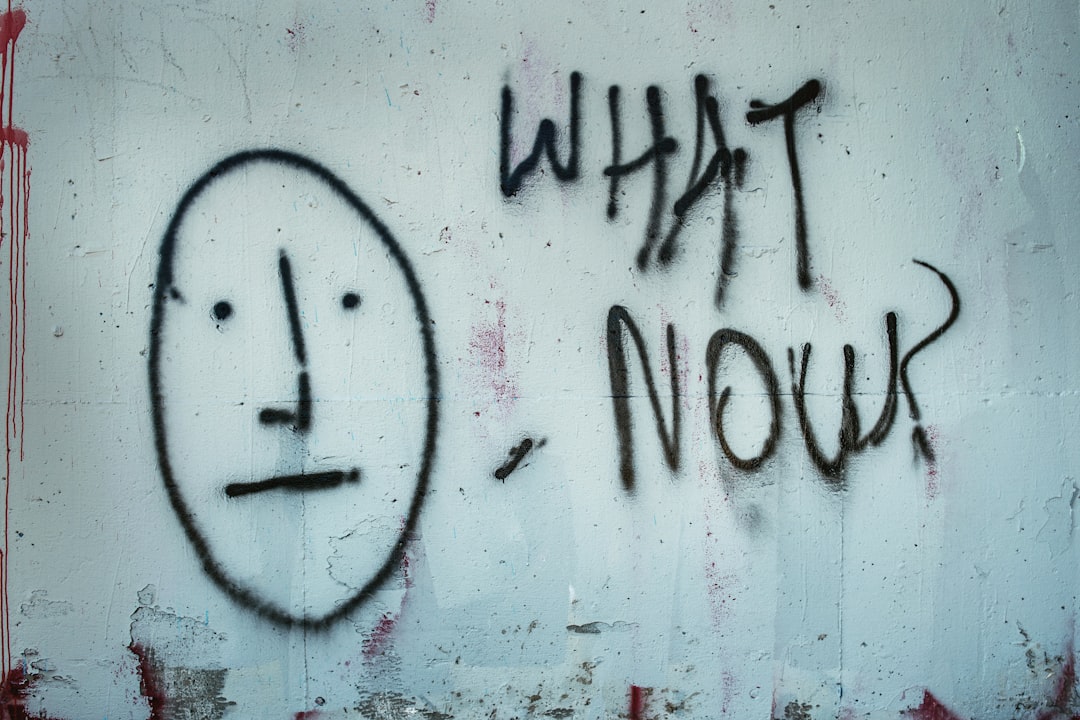
For street-art and skate-culture grunge, spray and marker styles carry the energy. Permanent Marker (Google Fonts, free for commercial use) gives a thick, slightly bleeding marker stroke that is safe for client work. Caveat (Google Fonts, free) is a looser handwritten face for scrawled, urgent notes. On DaFont, dedicated spray-paint faces with overspray and drip texture deliver the most authentic graffiti feel, though most are personal-use only. Layering a real spray-texture overlay behind a bold sans often beats hunting for the “perfect” grunge font.
Where the Grunge Aesthetic Comes From
Grunge type grew out of two overlapping movements: the early-1990s Pacific Northwest music scene (Nirvana, Sub Pop Records, hand-made gig flyers) and the 1990s deconstructivist design wave led by figures like David Carson, whose work for Ray Gun magazine treated type as raw, broken, and emotional rather than tidy. Both rejected the polished corporate look in favor of photocopied texture, collage, and intentional imperfection. That heritage is why grunge still reads as authentic and anti-establishment — and why over-clean “grunge” effects look fake. Real texture, real imperfection, and restraint are what sell it.
How to Use Grunge Fonts Without Losing Legibility
Grunge type fights readability, so contain it. Use grunge faces for headlines and short callouts only; set body copy in a clean sans like Inter. Layer real texture — a subtle grain overlay or torn-paper edge — behind clean type rather than relying on the font alone, which keeps things legible. Limit the palette to muted, washed-out tones or stark black-and-white for an authentic DIY feel. Pairing guidance is in our font pairing guide, and for related styles browse the best display fonts.
Where to Download Grunge Fonts (and License Them Safely)
DaFont and Behance have the deepest grunge collections, but the majority are free for personal use only — you must buy a license or contact the designer before any commercial use. For commercially safe grunge, lean on Google Fonts (Special Elite, Permanent Marker, Rock Salt, Stardos Stencil) or paid foundry faces like Eveleth. Always read the per-font terms; our font licensing guide explains the personal-vs-commercial trap, and where to download fonts covers trustworthy sources.
Building Your Own Grunge Texture
The most flexible approach to grunge is to combine a clean, bold font with separate texture rather than relying on a pre-distressed typeface. Set your headline in a heavy sans or slab, then erode it with a real texture: scan crumpled paper, photocopy something repeatedly, or use a grain or dust overlay in your design tool set to a multiply or screen blend. This gives you full control over how distressed the result looks, keeps the type legible, and sidesteps the licensing limits of personal-use grunge fonts entirely — because the font itself is a clean, commercially licensed face and the grunge lives in the overlay. It is also how a lot of professional band and poster work is actually produced.
Frequently Asked Questions
What is the best free grunge font?
For free personal-use grunge, Trash Hand and October Crow (DaFont) are top picks for distressed lettering. For free commercial use, Special Elite and Permanent Marker (Google Fonts) deliver a worn, rough feel that is properly licensed for client work.
Are grunge fonts free for commercial use?
Often not. Most authentic grunge fonts on DaFont and Behance are free for personal use only and require a purchase for commercial projects. For commercial work, use Google Fonts options like Special Elite or Stardos Stencil, or buy a paid foundry font such as Eveleth.
What fonts were used in 1990s grunge design?
Classic grunge design relied on photocopied typewriter type, hand-cut stencils, and ransom-note collage rather than specific digital fonts. Modern equivalents that capture that era include Special Elite (typewriter), Stardos Stencil (stencil), and distressed DaFont faces like Trash Hand.
Can I use grunge fonts for body text?
No. Grunge fonts are display faces — their eroded, textured edges destroy readability at small sizes. Use them only for headlines and short callouts, and set body copy in a clean, legible sans like Inter to keep the design usable.