Cobalt vs Sapphire: Comparing Deep Blues
The difference in cobalt vs sapphire comes down to depth and undertone. Cobalt is a clean, energetic medium blue named after the cobalt pigment used in ceramics and glass. Sapphire is a slightly deeper, more violet-tinged blue named after the gemstone. Both are popular brand and design blues, but they signal different things.
What is cobalt blue?
Cobalt is a saturated, true blue that sits roughly in the middle of the blue range. A representative hex is #0047AB, though commercial cobalt swatches vary. Historically it derives from cobalt-based pigments prized for their stability and intensity in glazes, oil paint, and stained glass. In design, cobalt feels confident, modern, and slightly electric without tipping into the neon of a pure primary blue.
Because cobalt carries almost no green or purple bias, it works as a dependable “default deep blue” for interfaces, logos, and accents. It pairs cleanly with white and with warm neutrals, and it holds up at small sizes where muddier blues lose definition.
What is sapphire blue?
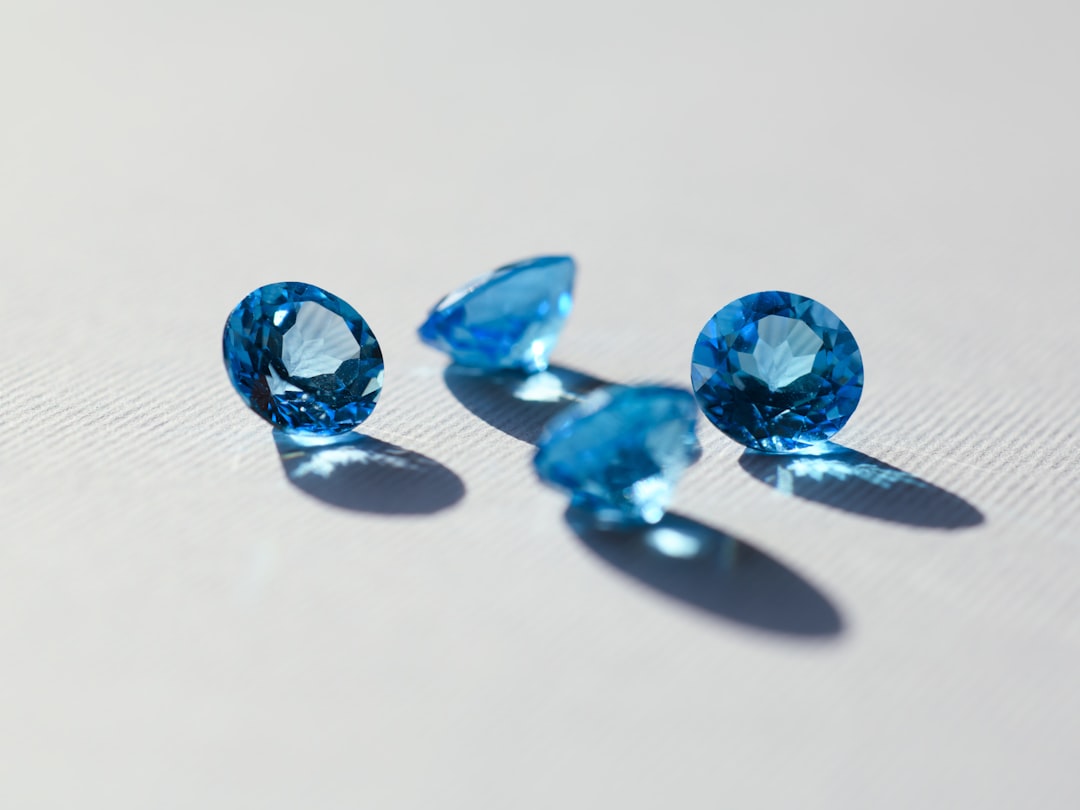
Sapphire takes its name from the gemstone, and that origin shapes how we use it. A representative hex is #0F52BA. Compared with cobalt, sapphire is fractionally darker and carries a faint purple undertone, which is what gives gemstones their depth under light. The result reads as more formal, more premium, and more “evening” than cobalt’s daytime brightness.
Sapphire shows up often in luxury branding, finance, and editorial design where the goal is richness rather than energy. It rewards generous space and high-quality reproduction; printed on coated stock it can look genuinely jewel-like, while on uncoated paper it flattens toward navy.
Cobalt vs sapphire: side-by-side comparison
Exact values vary by brand and screen, but these representative specs capture the relationship between the two blues.
| Attribute | Cobalt | Sapphire |
|---|---|---|
| Hex code | #0047AB | #0F52BA |
| RGB | 0, 71, 171 | 15, 82, 186 |
| CMYK (approx) | 100, 58, 0, 33 | 92, 56, 0, 27 |
| Undertone | Neutral to faintly green | Slightly purple |
| Hue family | Pure medium blue | Deep blue (jewel tone) |
| Best used for | UI, tech brands, clean accents | Luxury, finance, editorial depth |
| Mood / feel | Confident, energetic, modern | Rich, formal, premium |
How do you tell cobalt and sapphire apart?
Put the two swatches side by side and look at three things. First, brightness: cobalt is the lighter, more vivid of the pair. Second, the undertone in the shadows: sapphire tips toward purple, cobalt stays a clean blue. Third, context: a single sapphire swatch in isolation can be mistaken for cobalt or even navy, so always compare against a reference.
If you only have one on screen, a quick test is to imagine the color a shade darker. Cobalt deepens into a strong royal blue; sapphire deepens into something closer to indigo. For more on where these deep blues sit relative to their neighbors, see our guides to navy vs royal blue and indigo vs violet.
How do cobalt and sapphire behave in print versus on screen?
The two blues diverge depending on the medium, and this catches out a lot of designers. On screen, both are rendered with backlit RGB light, so cobalt looks vivid and sapphire looks deep and saturated. In print, both rely on reflected light and CMYK inks, which compresses the gamut and tends to darken and slightly flatten each color. Cobalt usually survives the transition well because it is already a clean, achievable ink mix. Sapphire is more fragile: its faint purple depth can collapse toward a flat navy on uncoated stock, losing the jewel quality that defines it.
If reproduction matters, specify a Pantone or brand-locked value rather than trusting a hex to translate. For sapphire in particular, proof on the actual stock before committing, and consider a coated finish or a spot color to preserve its richness. For cobalt, the main risk is the opposite: on glossy stock it can read slightly more electric than intended, so a soft-proof check keeps it on-brand. These medium shifts are the single most common reason a chosen blue looks “wrong” once it leaves the screen.
What do cobalt and sapphire communicate in branding?
Color carries meaning, and these two send related but distinct signals. Cobalt reads as confident, contemporary, and trustworthy without being stuffy. Its energy makes it a natural fit for technology, software, sportswear, and youthful or innovation-led brands that want to feel modern and dependable at the same time. It says “we are sharp and current” more than “we are old and established.”
Sapphire, by contrast, leans into heritage and prestige. Its gemstone association and purple depth make it the language of luxury, finance, law, and premium hospitality, where the goal is to feel established, discreet, and valuable. Where cobalt is daytime energy, sapphire is evening formality. Choosing between them is therefore less about which blue you prefer and more about which emotional register your brand needs to occupy.
When should you use cobalt vs sapphire?
Reach for cobalt when you want energy, clarity, and a contemporary tech feel. It is the safer choice for digital products because it stays legible and vivid at small sizes and against white backgrounds. Use sapphire when you want gravitas: premium packaging, financial or legal brands, wedding and editorial work, and anywhere a hint of purple depth signals quality.
The two can also work together. Cobalt as the primary with sapphire as a deeper supporting shade creates a tonal blue palette with built-in hierarchy. If you are deciding whether your blue should skew warm or cool overall, our explainer on warm vs cool colors is a useful primer, and you can compare these against the softer end of the spectrum in periwinkle vs lavender.
Frequently Asked Questions
Is cobalt the same as royal blue?
No, though they are close. Royal blue is typically a touch deeper and slightly more purple than cobalt. Cobalt is a cleaner, more saturated medium blue, while royal blue carries a richer, more regal weight. In practice the two are often used interchangeably in casual settings.
Is sapphire darker than cobalt?
Slightly, yes. Sapphire usually sits a shade deeper than cobalt and adds a faint purple undertone, which makes it read as richer and more jewel-like. Cobalt stays brighter and more vivid, especially at small sizes and against white.
What colors pair well with cobalt blue?
Cobalt pairs cleanly with white, warm gray, blush, mustard, and metallic gold. For a bolder palette, combine cobalt with coral or burnt orange as a complementary accent. Against black it stays vivid; against navy it can feel muddy, so keep some tonal distance.
What colors pair well with sapphire blue?
Sapphire flatters silver, champagne, deep burgundy, and soft ivory. Because it leans purple, it also sits well beside amethyst and plum for a true jewel-tone palette. Pair it with crisp white when you need it to feel less heavy and more editorial.
Which is better for a logo, cobalt or sapphire?
It depends on the brand promise. Cobalt suits tech, startups, and energetic modern brands that need legibility at small sizes. Sapphire suits luxury, finance, and heritage brands that want depth and formality. Test both at favicon size before deciding, since sapphire can darken toward navy when tiny.